


Penske Profit Beats Estimates on Luxury Sales

Penske Automotive Group Inc., the second-largest U.S. automotive retailer, said fourth-quarter profit rose 53 percent, exceeding analysts' estimates, as luxury vehicle sales increased. Net income climbed to $28.5 million from $18.7 million a year earlier, the Bloomfield Hills-based company said today.
It said it lost $15.9 million on an after-tax basis in 2010 on its Smart car business.
The firm announced Monday that it was exiting the Smart car distribution business, which will be taken over by Daimler AG's Mercedes-Benz luxury car division. Mercedes makes the iconic Smart two-seaters and handles their distribution in the rest of the world, reported The Detroit News.
Roger Penske, chief executive of Penske Automotive, said on a conference call with analysts that he could not provide an exact estimate of the financial impact of the end of the deal with Daimler.
But he said the auto retailing firm spent $7.5 million in 2010 and $3 million in the first quarter of 2011 on a previously agreed deal to have Nissan Motor Co. produce a Smart subcompact. That agreement has been canceled.
Penske Automotive expects to repurchase some Smart vehicle inventory from U.S. dealers and resell it to Daimler, which will take over Smart distribution in the United States at the end of the second quarter.
In the first quarter of 2011, Penske earned 32 cents a share, excluding some items, exceeding the 26 cents average estimate of seven analysts in a Bloomberg survey. Sales rose 13 percent to $2.77 billion.
Penske's stores selling import and luxury vehicles, including the namesake brands of BMW AG and Toyota Motor Corp., account for more than 90 percent of revenue.
U.S. auto sales gained 11 percent last year to 11.6 million deliveries from a 27-year low in 2009, according to Woodcliff Lake, New Jersey-based Autodata Corp. Penske Automotive said new-vehicle sales at its stores increased 10 percent last year.
More Industry
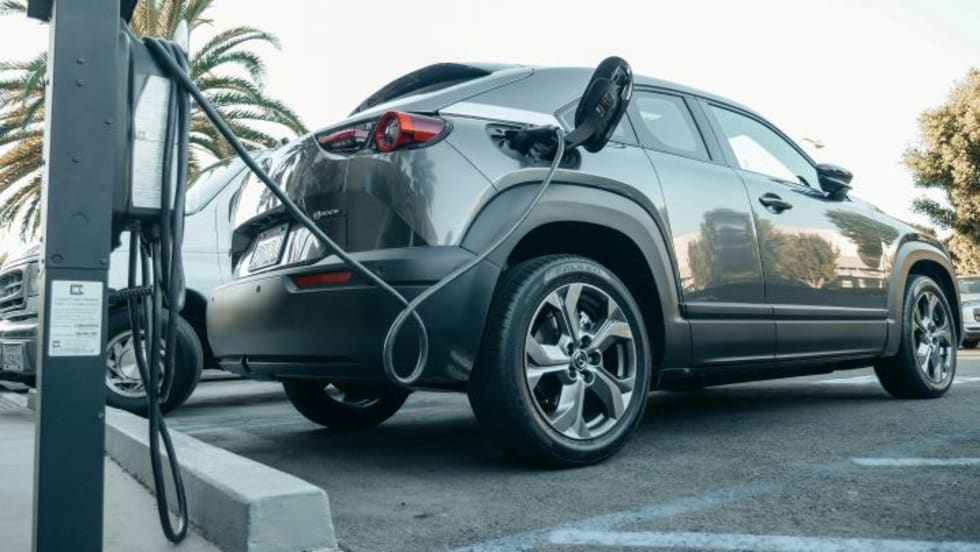
World EV Adoption Set to Grow
A new report says the segment, despite recent setbacks in some regions, is poised for acceleration as many countries look to reduce pollution.
Read More →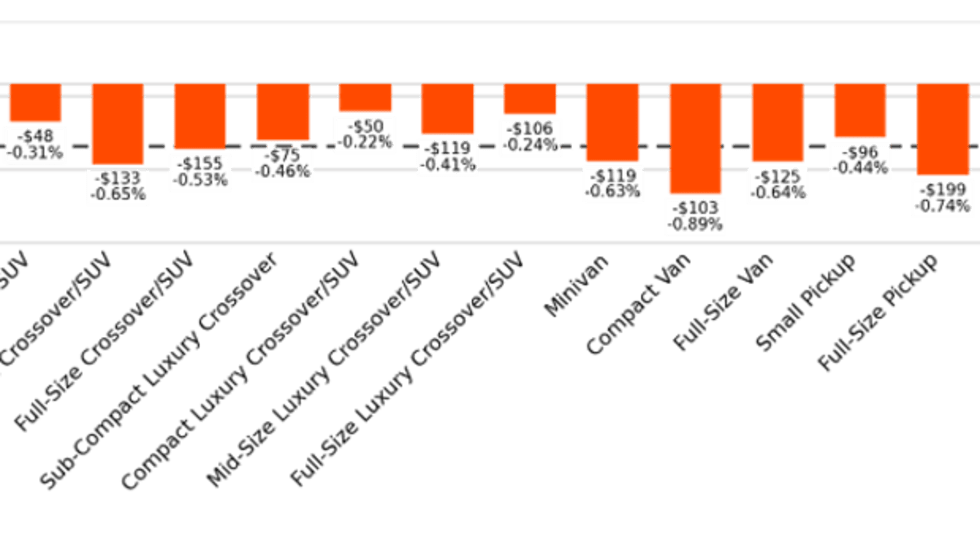
Black Book: Weekly Market Update
Wholesale automotive auction business stayed steady last week as bidders encountered lower prices, analysts observed.
Read More →
Pricing Transparency Drives Purchase Consideration
An annual study by JD Power found that clear pricing matters to consumers on automaker websites, so much so that it increases their purchase consideration.
Read More →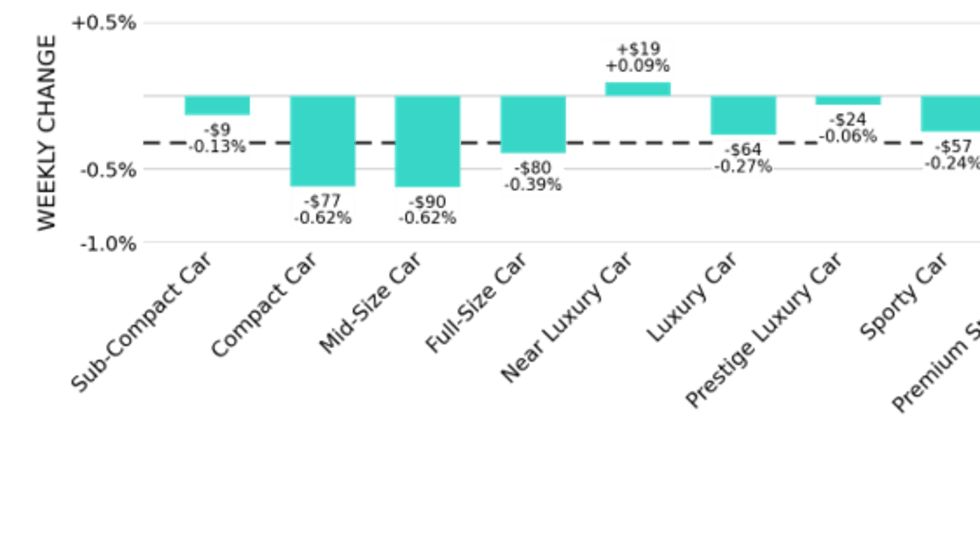
Black Book: Weekly Market Update
Used-vehicle market depreciation was the prevailing story in the wholesale market last week.
Read More →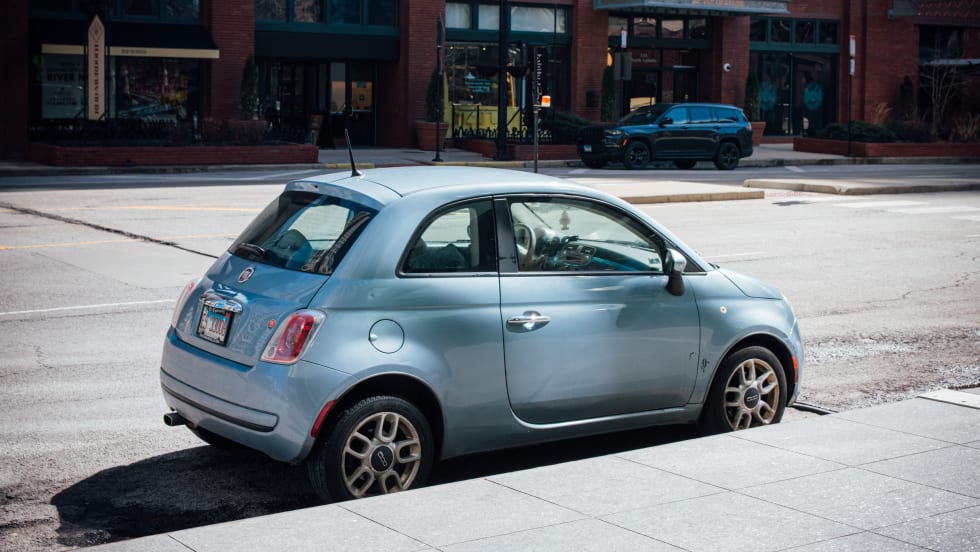
Smaller Is Looking Better
A growing number of Americans in the market for a new vehicle are opting for more affordable options, not waiting for market stability to bite the bullet.
Read More →
U.S. EV Market Slowly Stabilizes
U.S. electric-vehicle interest is slowly stabilizing since a major dip in sales after last year's end of the federal EV tax credit, and hybrids remain the leading electrified power train.
Read More →
Global EV Market Entering New Phase
Automakers are making investments to lower battery costs and optimize production to meet changing consumer needs.
Read More →
Black Book Weekly Market Update
The holiday weekend, not surprisingly, put a drag on wholesale automotive activity last week, analysts observed.
Read More →
Auto Affordability in Context
Cox Automotive points out the complex circumstances that have led to eye-popping vehicle prices.
Read More →
Black Book: Weekly Market Update
Automotive auction inventory increased last week, giving choosy bidders even more leeway.
Read More →