


Quality Slips for All-New Models

Although the perceived quality of all new vehicles continued to improve in the latest Initial Quality Survey by J. D. Power & Associates, the results were not so bright for models that had been significantly redesigned or were new from the wheels up.
The quality of these all-new or extensively revamped cars declined by 10 percent in the 2011 Initial Quality Survey, to 122 problems per 100 vehicles from 111 a year earlier, reported The New York Times.
In contrast, carryover models that underwent few changes had only 103 problems per 100 vehicles — “better quality than ever before,” J. D. Power said.
Over all, the survey found an average of two fewer problems for 2011 new cars and trucks.
The survey measures issues that arise in the first 90 days of ownership. This year, the study included responses from more than 73,000 owners and lessees of new 2011 model vehicles.
While it is no surprise that all-new cars tend to have more problems than carryovers, that gap has been narrowing: in last year’s study, new models had only three more problems than carryovers per 100 vehicles.
The most notable issues this year were in categories labeled engine/transmission and audio/entertainment/navigation. Overall problem rates for multimedia technology rose 18 percent from 2010 and 28 percent from 2009.
These were the issues that sent Ford plunging in the rankings, to 23rd place this year from fifth place in 2010. Ford’s Lincoln brand also stumbled, to 17th place from eighth.
J. D. Power said those drops were mostly because of consumer complaints about the MyFord and MyLincoln Touch computer interfaces, through which drivers operate the audio system, navigation unit and climate controls by using a touch screen, a dashboard display and voice commands.
Owners said the system was not as intuitive as they would have liked, and they complained about the hands-free voice-activated controls.
Until recently, when Ford moved to take a lead in telematics technology, the company “had a really good quality story going,” said David Sargent, vice president for global vehicle research at J. D. Power.
The survey also measures manufacturing defects and malfunctions, and Ford “continues to perform pretty well” in those categories, Mr. Sargent said.
“What we are witnessing here essentially has nothing to do with manufacturing,” he added.
The survey asks owners if they had any of 228 possible problems in a range of categories.
Automakers are graded on the number of problems per 100 vehicles — the lower the number, the higher the initial quality score.
Lexus returned to first place this year, followed by Honda, Acura and Mercedes-Benz, with Mazda and Porsche tied for fifth. Porsche had been No. 1 in 2010.
Toyota made a big rebound to seventh place after having dropped 15 spots last year following widely publicized recalls.
And Mazda showed significant improvement. Mr. Sargent noted a reduction in problems with the Mazda 3 compact car, which accounts for more than half of the company’s sales.
Nissan dropped 12 places to 24th, but Mr. Sargent said that was primarily because the brand’s sales mix had changed. “They sold more of their lower-performing models and relatively fewer of their better-performing ones, such as the Altima and Maxima,” he wrote in an e-mail.
Land Rover, a perennial bottom-dweller in quality surveys, was the most improved brand, though it rose to only 26th place on the list of 32 automakers.
The Range Rover Sport was also the most improved model, with 80 fewer problems per 100 vehicles.
The 2011 survey also found, aside from problems with computer controls, a new set of complaints about engines being slow to respond or about transmissions hesitating or hunting for the right gears.
Mr. Sargent said this was because, as manufacturers downsized engines while making cars heavier, they had trouble calibrating powertrain software that struck an optimum balance between smooth power delivery and maximum fuel economy.
He said, “This is a new issue, more of a design or software issue, not around the reliability of the engine.”
More Industry

Charger Network Growth Slows
Despite a projected increase in public EV chargers in 2026, charging infrastructure remains a top concern for consumers as the gap between the most and least EV-friendly places remains substantial.
Read More →
Lenders, Consumers Take on More Auto Loan Risk
September records loosened credit access the most in over a decade as buyers took advantage of the conditions to afford trading, though loan applications fell.
Read More →
Next-Gen Hybrids in Sight
Dealerships can expect to see revamped hybrids from Honda next year as the company rolls out a new system and model lineup.
Read More →
Gem State Stores Change Hands
A larger auto group founded in the industry’s early years sold two franchises to a neighbor group that's on a growth spurt.
Read More →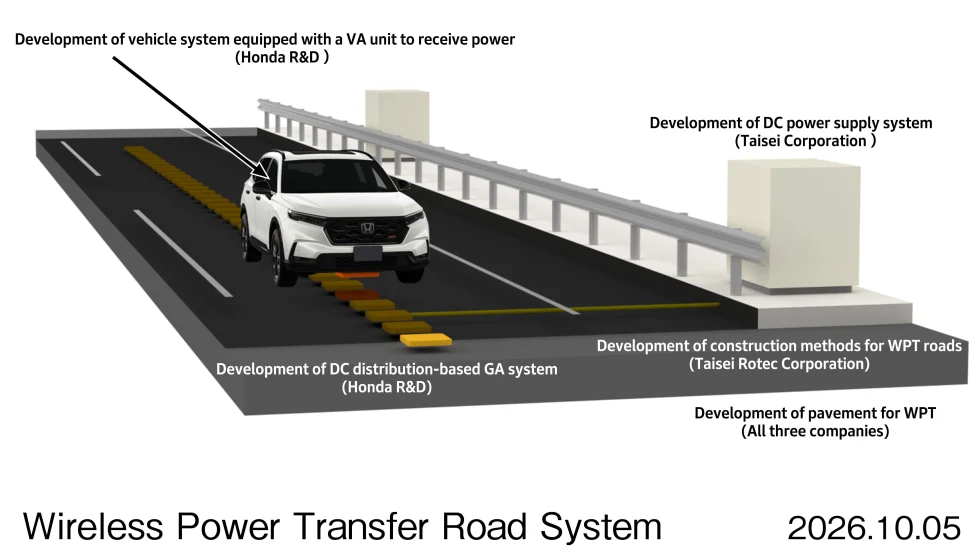
Charging In Motion
Honda has been researching wireless in-motion charging for electric vehicles since 2025, and new technology developments have put it a step closer to a final product.
Read More →
Twin Cities Stores Sell
Minnesota-based Walser Automotive Group made what it called the most significant acquisition in its history with a three-rooftop deal in Minneapolis.
Read More →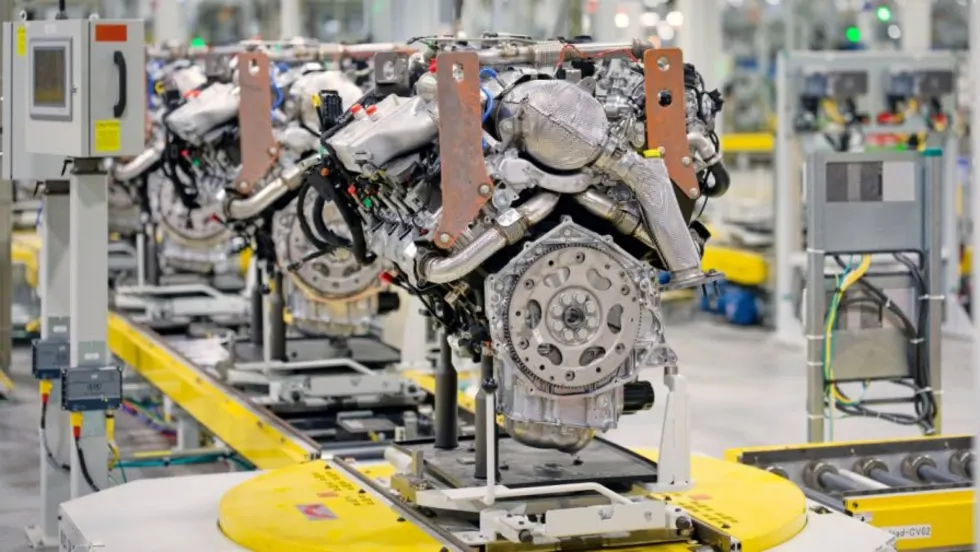
U.S. Auto Sales Still Below Prepandemic Levels
Mobility Global industry observers don’t expect the market to return to the higher volumes that became routine before Covid but to stay well below its potential.
Read More →
The Powertrain Shift
Electric-vehicle owners are backpedaling, according to new data, with product availability driving many to shift back to gas-powered engines.
Read More →
Achromatic Autos
The shades that dominate the U.S. car market don’t call attention to themselves, though grayscale may have plateaued after a 30-year upswing, research shows.
Read More →
Used-Vehicle Affordability Worsens
Listing prices in August defied seasonal trends, rising above $27,000 for the second time this year.
Read More →