


SAAR Fails to Crack 17M Despite Record August Sales
U.S. sales of new cars and light trucks fell 1.2% year-over-year in August, a sales month that extended through the Labor Day weekend and set new records for Honda, Toyota, and Subaru.

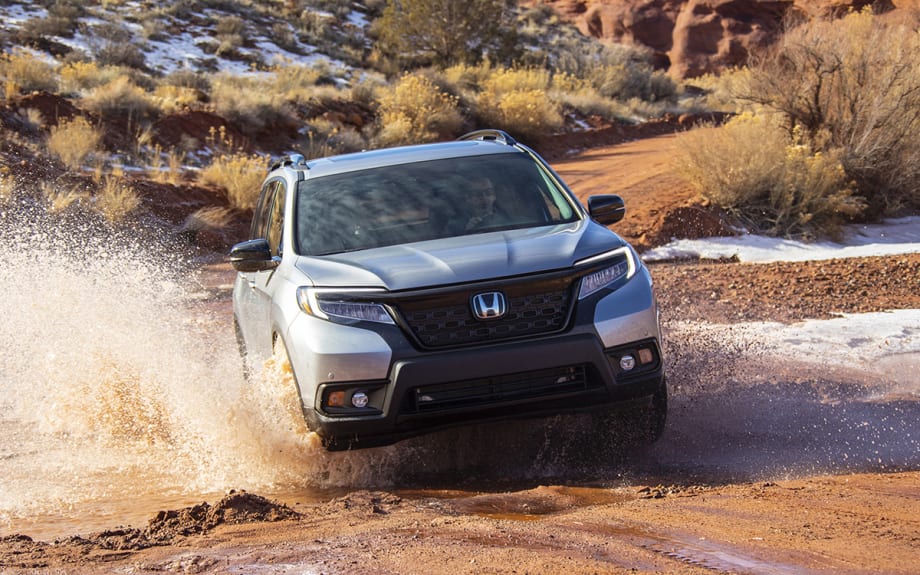
Honda reported a one-month record tally of nearly 174,000 units sold by U.S. dealers in August, led by best-ever months for the Passport (pictured) and CR-V.
Photo courtesy American Honda Motor Co.
(Bobit) — The seasonally adjusted annualized rate of U.S. new-vehicle sales is projected to have climbed no higher than 16.8 million in August, a 1.2% year-over-year decline. But 28 selling days — including Labor Day weekend — helped several manufacturers deliver record volumes in the latest monthly sales report compiled by Automotive News.
“The incredible year-over-year performance for August sales we are seeing from the OEMs is in part due to the calendar,” said Zo Rahim, manager of economics and industry insights for Cox Automotive. “Major U.S. holiday weekends play a central role in driving new-vehicle sales. On average, the week including Labor Day weekend accounts for over 2% of yearly new retail sales, making it one of the busiest weeks of the year.”
“The bad news is that September is going to realize a more sizeable year-over-year sales decline.”
The holiday weekend was credited to September on last year’s sales calendar, which gave August 27 selling days and four weekends, pushing the SAAR to a hair over 17 million. That sets the stage for an underwhelming report a month from now, warned Chris Hopson of IHS Markit.
“The bad news is that September is going to realize a more sizeable year-over-year sales decline due to this same calendar year effect, plus some potential for weather related impacts, depending on the current hurricane watch,” said Hopson, who manages IHS’s North America light-vehicle sales forecast. “IHS Markit expects light vehicle sales volume estimate of 16.9 to 17.0 million units for the full year, but the potential for a big bounce in the fourth quarter remains, especially given the still inviting credit conditions, and sustained inventory and incentive levels from the automakers.”
Read: SAAR Dips to 16.6M in Watershed Sales Report
Honda, Toyota, and Subaru each reported their best U.S. sales month ever, led by Honda with 173,993 deliveries. Honda also led the industry by growing sales 17.6% year-over-year, followed by Nissan (13.2%), Kia (12.7%), Hyundai (12%), and Toyota (11.3%).
Subaru reported a relatively modest 9.3% gain that nevertheless marks the factory’s 93rd straight month-over-month improvement.
Volkswagen (9.8%) and Mazda (6.5%) also found their way into the winner’s column — no mean feat for Mazda, which had reported 13 straight monthly declines — as did luxury brands Genesis (186.6%), Mercedes-Benz (25.2%), Porsche (13.5%), BMW (7.2%), and Audi (3%).
Declines were reported by Jaguar (-13.8%), Land Rover (-8.5%), and Mitsubishi (-3.3%). Ford, General Motors, and Fiat Chrysler now only issue quarterly reports.
“The strong performance of some vehicle lines suggests heavy fleet activity may have occurred for some brands.”
Senior Economist Charlie Chesbrough credited “aggressive” incentives — up 1.2% year-over-year, according to ALG — with helping August exceed Cox Automotive’s forecast.
“And, the surprisingly strong numbers may be misleading. Although the retail/fleet mix is not yet known, the strong performance of some vehicle lines suggests heavy fleet activity may have occurred for some brands,” Chesbrough added. “There are also some worrisome signals in the reported results. Small car sales were up big for some OEMs, bucking recent trends, while their luxury brand numbers were weak. This may suggest affordability is having an increasingly large impact on consumer purchases.”
Read: Prime Buyers Flock to Used Vehicles in Q2 Report
To read the full Automotive News report, click here.
Originally posted on Auto Dealer Today
More Industry
Charger Network Growth Slows
Despite a projected increase in public EV chargers in 2026, charging infrastructure remains a top concern for consumers as the gap between the most and least EV-friendly places remains substantial.
Read More →
Lenders, Consumers Take on More Auto Loan Risk
September records loosened credit access the most in over a decade as buyers took advantage of the conditions to afford trading, though loan applications fell.
Read More →
Next-Gen Hybrids in Sight
Dealerships can expect to see revamped hybrids from Honda next year as the company rolls out a new system and model lineup.
Read More →
Gem State Stores Change Hands
A larger auto group founded in the industry’s early years sold two franchises to a neighbor group that's on a growth spurt.
Read More →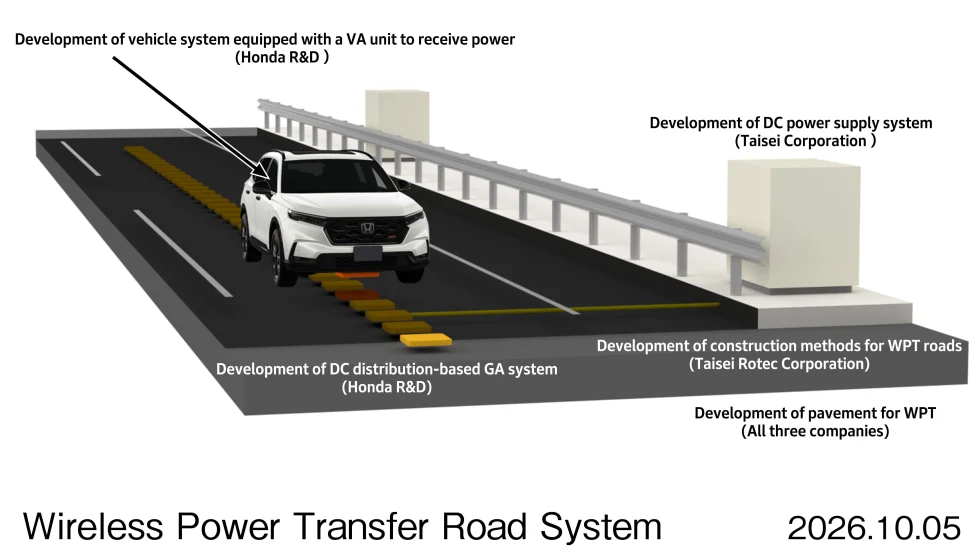
Charging In Motion
Honda has been researching wireless in-motion charging for electric vehicles since 2025, and new technology developments have put it a step closer to a final product.
Read More →
Twin Cities Stores Sell
Minnesota-based Walser Automotive Group made what it called the most significant acquisition in its history with a three-rooftop deal in Minneapolis.
Read More →
U.S. Auto Sales Still Below Prepandemic Levels
Mobility Global industry observers don’t expect the market to return to the higher volumes that became routine before Covid but to stay well below its potential.
Read More →
The Powertrain Shift
Electric-vehicle owners are backpedaling, according to new data, with product availability driving many to shift back to gas-powered engines.
Read More →
Achromatic Autos
The shades that dominate the U.S. car market don’t call attention to themselves, though grayscale may have plateaued after a 30-year upswing, research shows.
Read More →
Used-Vehicle Affordability Worsens
Listing prices in August defied seasonal trends, rising above $27,000 for the second time this year.
Read More →