


Subaru Recalls 320,000 Foresters to Replace Noncompliant Part on Rear Seat Belt

Subaru is recalling about 320,000 of its 2009-12 Foresters because the rear seat belt may not securely hold a child safety seat or restraint, the automaker informed the National Highway Traffic Safety Administration.
In a notice posted on the agency’s Web site, Subaru said the seat belt for the center position in the back seat may not lock “depending on the shape and size” of the child restraint being used. Subaru told the safety agency that a parts shortage would prevent the last of the affected vehicles from being repaired until February 2013, reported The New York Times.
Michael McHale, a spokesman for Subaru, wrote in an e-mail that N.H.T.S.A. discovered the problem during its testing.
The locking mechanism is a federal safety standard. Because there are so many standards pertaining to vehicle safety and so many automobiles, automakers are entrusted with certifying to the agency that their vehicles comply with those standards. The agency then conducts what amounts to spot checks to ensure the vehicles’ compliance.
Mr. McHale said Subaru was not aware of any incidents, accidents or injuries related to the problem.
Here are other recent safety actions:
• Hyundai said about 14,700 of its 2011-12 Sonata Hybrid vehicles did not meet the federal safety standard for the center rear seat belt. Even so, it informed the agency that it did not regard the problem as a safety issue requiring a recall.
Hyundai told N.H.T.S.A. that it planned to ask permission to forgo fixing about 13,100 Sonata Hybrids in the hands of customers because it considered the problem “inconsequential as it relates to motor vehicle safety.”
Hyundai said it would repair about 1,600 cars currently at dealerships.
The center rear belt has a release allowing the lap and shoulder portion to be detached from the vehicle, which violates a federal safety standard. A Hyundai spokesman could not immediately be reached for comment, and it was not clear whether the agency would approve Hyundai’s request.
• Nissan is recalling about 8,100 Infiniti M45 luxury sedans from the 2003-4 model years because an electronic malfunction could cause the fuel gauge to indicate a higher amount of fuel than actually exists in the tank.
N.H.T.S.A. began investigating the issue late last year after receiving complaints from owners. In a report posted on the agency’s Web site, Nissan said that as it gathered information requested by the agency, the automaker confirmed there was a problem that would require a recall.
• Volvo said it would recall about 2,700 of its 2012 S60 and XC60 models because of possible fuel leaks caused by what amounts to an exuberant application of rust proofing.
In its report to the agency, Volvo said “an incorrect mixture of underbody coating in a combination with over-application can result in iciclelike areas of underbody coating hanging from the undercarriage of the vehicle.”
This coating could penetrate a fuel line and cause a leak, Volvo said. The problem was discovered at the assembly plant.
• General Motors is recalling about 3,600 Buick Regals from the 2012 model year with high-intensity discharge headlamps because the parking lamps may not work, the automaker told the agency. The automaker attributed the problem to a calibration change in the body-control module.
Nissan and Volvo described their recalls as voluntary, but under federal regulations once a manufacturer is aware of a safety problem it has no choice but to inform the agency within five business days of its plan for a recall.
More Industry
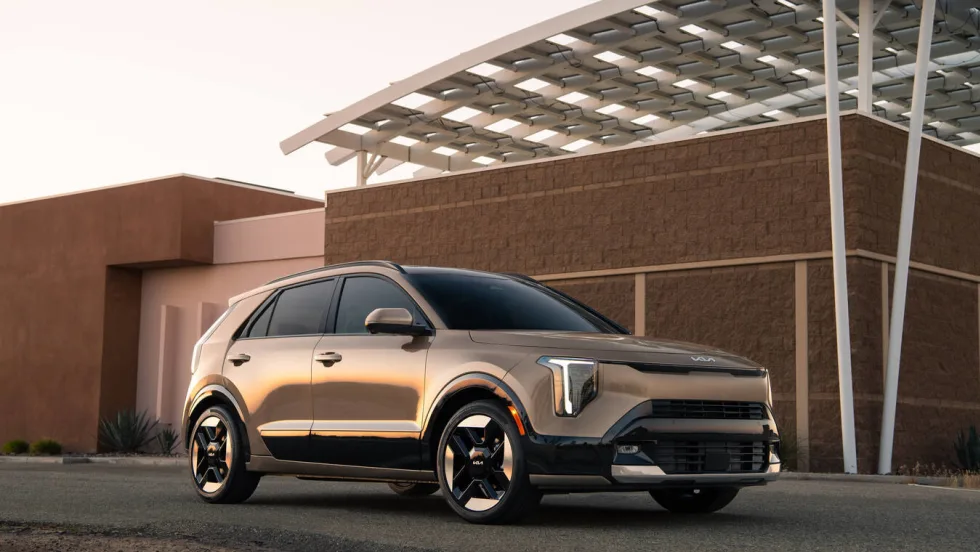
Kia Closes Out Summer With a Bang
Its U.S. subsidiary broke multiple records in August, in part due to a surge of demand for hybrids models.
Read More →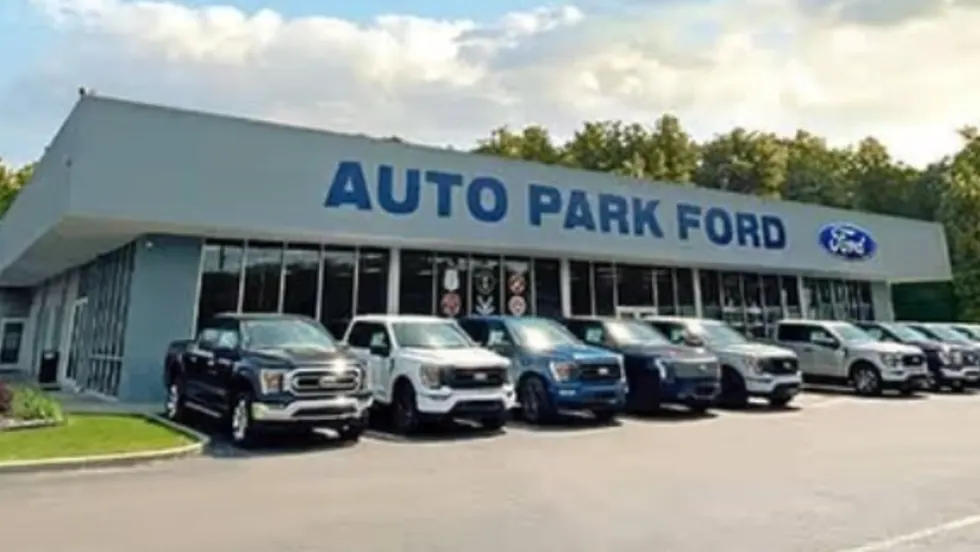
Indiana Dealership Changes Hands
A 30-year-old Ford dealership in Indiana has a new owner and will soon be undergoing renovations to meet manufacturer requirements.
Read More →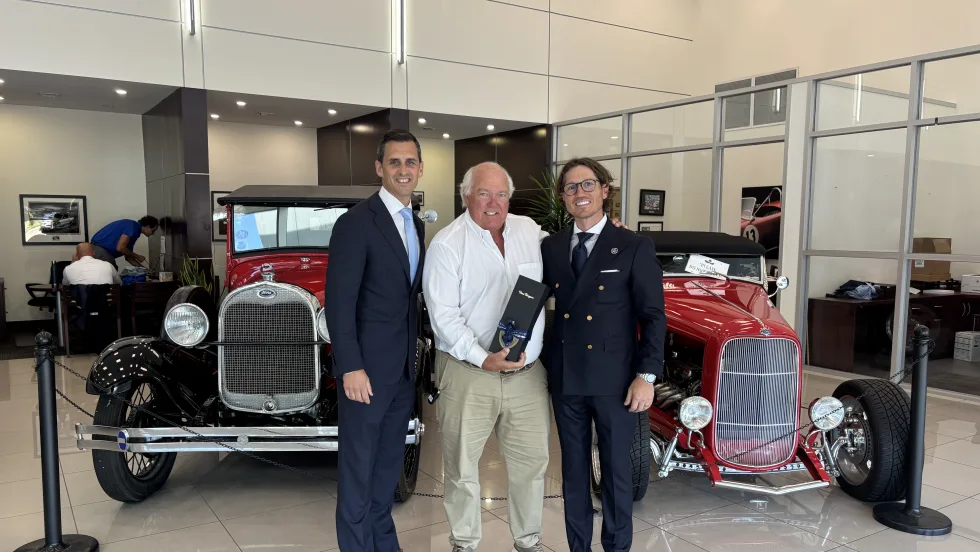
Texas Dealership No Longer in the Family
The Ford store, a longtime cornerstone of the Houston market, is now part of one of the fastest-growing U.S. auto groups.
Read More →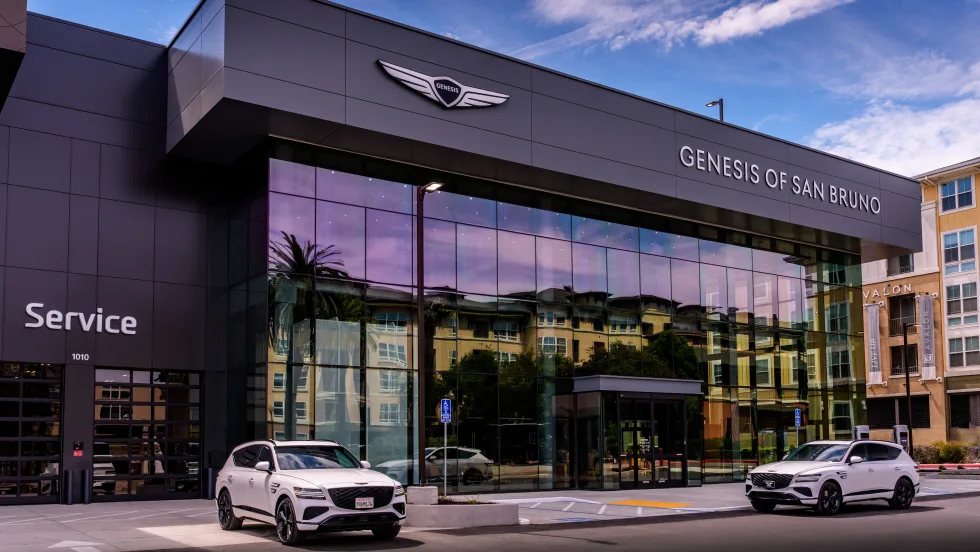
Genesis Grows California Presence
The Cardinale Automotive Group opened its third Genesis rooftop in the Golden State, Genesis of San Bruno, a stand-alone dealership serving the San Francisco Bay Area.
Read More →
August Auto Sales a Mixed Bag
An early forecast shows strong business despite consumer hurdles, and hybrids are a big piece of their affordability coping strategy.
Read More →
EV Market Humming Along
July sales show steady growth as the segment stabilizes from last year’s artificial surge following pullback of federal support.
Read More →
Auto Loan Delinquency Rates Stabilize
Auto loans are a main driver of nonmortgage consumer debt, but delinquency rates stabilized in the second quarter across all credit risk tiers.
Read More →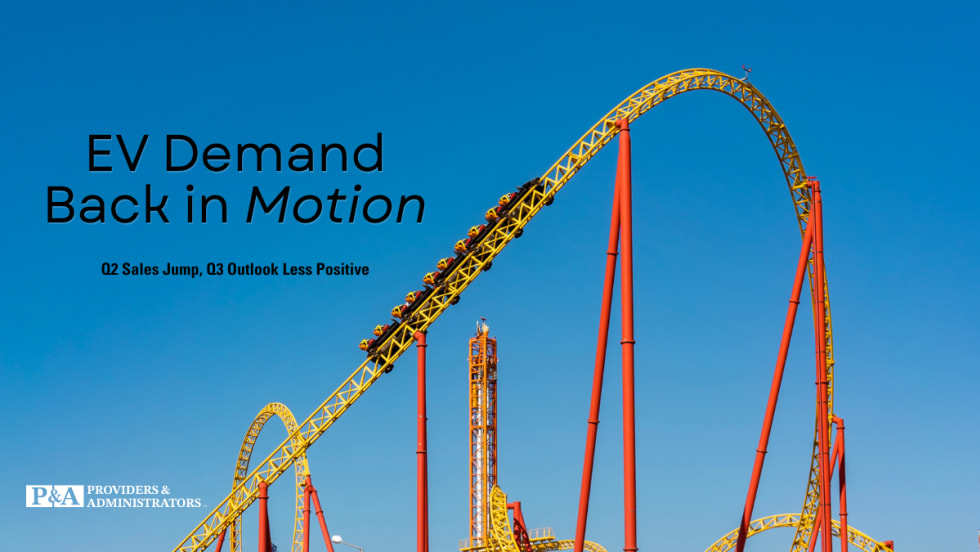
EV Sales Recover in Q2
The EV sales roller coaster continues as numbers show improvement, but industry experts predict a year-over-year third-quarter decline and fourth-quarter jump.
Read More →
The Cheapest Hybrids to Fuel
The powertrain is increasing in popularity, in no small part due to its fuel economy. A new report lists the most efficient hybrids on the market.
Read More →
Hybrids and SUVs Gaining Ground
The most recent Kelley Blue Book Brand Watch found that only two nonluxury brands increased in shopper consideration, buoyed by their hybrid and SUV offerings.
Read More →