


Tariffs on Hold as Trump Weighs National Security Impact
An anonymous source told Bloomberg that no new tariffs on foreign-made vehicles will be announced until after a Commerce Department report is finalized in February.

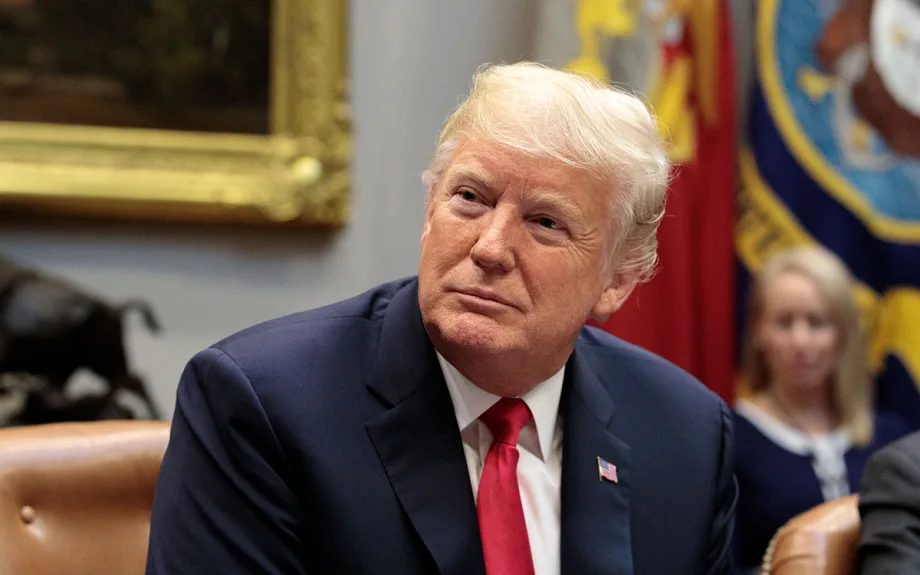
Bloomberg reports President Donald Trump will not impose new tariffs on foreign-made vehicles as he awaits the findings of a Commerce Department report due in February.
Photo courtesy The Epoch Times via Flickr
WASHINGTON — An anonymous source told Bloomberg that President Donald Trump is “not ready to act” on threatened auto import tariffs following a Tuesday meeting with his top trade advisers. At issue is a Commerce Department report on the national security implications of new trade restrictions. A final draft is due from Commerce Secretary Wilbur Ross in February.
If the report deems auto imports to be a national security threat, the president will have 90 days to decide whether to act and another 15 days to execute any prescribed measures, which could include tariffs as well as quotas.
Trump has threatened new tariffs as high as 25% on foreign-made cars. The NADA has estimated prices could rise by as much as $2,270 on affected U.S.-built cars and trucks and $6,875 on imported vehicles. Business and government leaders have repeatedly warned the administration such a move would disrupt the global automotive industry and the growth and stability of the U.S. economy.
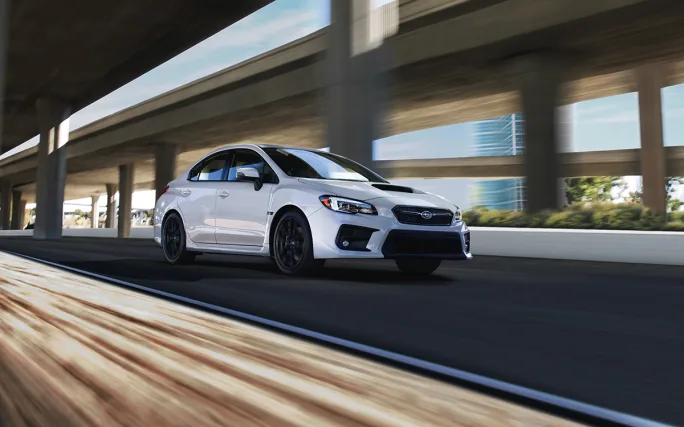
Stock prices for Subaru and other Asian factories rallied Wednesday in wake of the news. Vehicles built in Canada, Mexico, and the EU are currently exempt from new import tariffs.
Photo courtesy Subaru of America Inc.
News of a delay was greeted by stock-market gains for Honda, Mazda, Nissan, Subaru, and Toyota. Vehicles built in Canada and Mexico are exempt from new tariffs — subject to caps — thanks to deals negotiated under the new U.S.-Mexico-Canada Agreement. Manufacturers in nations belonging to the European Union are believed to be exempt for as long as talks continue on a new trade pact.
“We are under the assumption that is still valid,” EU Trade Commissioner Cecilia Malmstrom told Bloomberg, referring to a mutually agreed-upon halt on new tariffs from either side.
Originally posted on Auto Dealer Today
More Industry
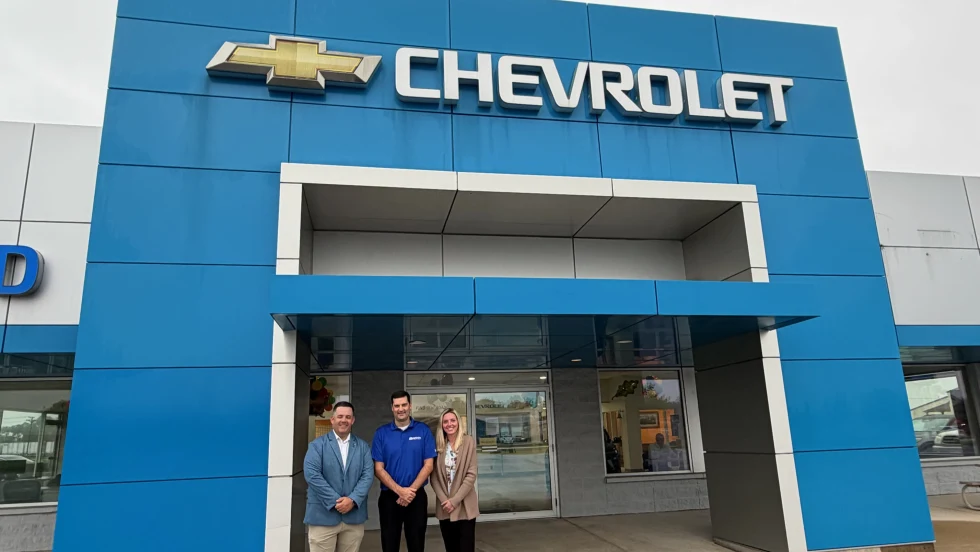
Badger State Dealership Gets New Owner
The longtime southern Wisconsin store moved from one area auto group to another, keeping the business in Dairyland.
Read More →
The Cycle of Negative Equity
Third-quarter data shows consumers still rolling over debt and stretching loan terms, raising their risk of remaining underwater.
Read More →
Charger Network Growth Slows
Despite a projected increase in public EV chargers in 2026, charging infrastructure remains a top concern for consumers as the gap between the most and least EV-friendly places remains substantial.
Read More →
Lenders, Consumers Take on More Auto Loan Risk
September records loosened credit access the most in over a decade as buyers took advantage of the conditions to afford trading, though loan applications fell.
Read More →
Next-Gen Hybrids in Sight
Dealerships can expect to see revamped hybrids from Honda next year as the company rolls out a new system and model lineup.
Read More →
Gem State Stores Change Hands
A larger auto group founded in the industry’s early years sold two franchises to a neighbor group that's on a growth spurt.
Read More →
Charging In Motion
Honda has been researching wireless in-motion charging for electric vehicles since 2025, and new technology developments have put it a step closer to a final product.
Read More →
Twin Cities Stores Sell
Minnesota-based Walser Automotive Group made what it called the most significant acquisition in its history with a three-rooftop deal in Minneapolis.
Read More →
U.S. Auto Sales Still Below Prepandemic Levels
Mobility Global industry observers don’t expect the market to return to the higher volumes that became routine before Covid but to stay well below its potential.
Read More →
The Powertrain Shift
Electric-vehicle owners are backpedaling, according to new data, with product availability driving many to shift back to gas-powered engines.
Read More →