


Toyota Acceleration Probe on Track to Release Findings in Late Fall

WASHINGTON - The government expects to meet its late-year deadline for determining whether throttles or other electronic systems could be linked to unintended acceleration in Toyota Motor Corp. vehicles, a senior safety investigator said.
"We're working hard to get this to you," Richard Boyd, acting director of the National Highway Traffic Safety Administration's defect investigations unit, told the chair of a science panel that is looking at unintended acceleration industrywide, not just in Toyotas, reported Reuters.
"It will be sooner rather than later," Boyd said at a Tuesday public meeting of the National Academy of Science.
NHTSA has set a late fall timetable for releasing the preliminary findings of its investigation of Toyota throttles and other systems. U.S. space agency experts are assisting NHTSA and will release a separate report on more sophisticated aspects of auto electronics.
The government's effort was structured as the most rigorous examination to date of the issue that prompted thousands of consumer complaints over several years, two recalls totaling 6.5 million vehicles, and three congressional investigations.
Complaints ease
Electronic throttle control has been cited in consumer complaints reporting 52 Toyota crashes and 62 people killed since 2000, according to raw NHTSA figures. Safety advocates say more than 100 deaths can be linked to unintended acceleration in Toyota vehicles and thousands industrywide over the years.
Toyota's worst safety crisis this year jolted its reputation for quality and reliability and cast a cloud over best-selling models.
Acceleration-related complaints have eased substantially from their early-year highs -- 15 reports for the best-selling Camry in September, according to NHTSA figures compiled by Carnegie Mellon University safety expert Paul Fischbeck.
But the Japanese automaker faces an estimated $10 billion in potential U.S. civil liability, and U.S. business has been hit hard. Toyota sales are up only 2 percent in 2010 while the market as a whole has risen 11 percent. Lost market share has gone to Korea's Hyundai and Ford Motor Co.
Investigations continue
The National Academy of Science panel, which is in the early stages of its 15-month industrywide review of unintended acceleration, acknowledged confusion over when the government planned to make the information from its investigations available.
The group's chair, Louis Lanzerotti of the New Jersey Institute of Technology, also expressed dissatisfaction with NHTSA presentations at Tuesday's meeting. He said the panel was not aware of who was speaking and what regulators planned to say until the last minute.
"I don't think the presentation was well organized to get to the guts of what we need," Lanzerotti said. "It's rather frustrating for the chair and the committee."
NHTSA officials, who focused their three-hour presentation on an overview of how they receive and manage consumer complaints, automaker warranty claims and other safety data, told Lanzerotti they would return at a later date.
The National Academy of Science is seeking a range of industrywide mechanical, engineering and other scientific data about vehicle systems and designs, component failure analysis, data recorder reliability, and driver behavior.
Root cause sought
A number of questions this week from National Academy of Science members centered on the design of brake and accelerator pedals, aftermarket electronic products, and whether electromagnetic interference could play a role in unintended acceleration.
NHTSA has little expertise in electronics and its long-held explanation for unintended acceleration has mainly focused on driver error.
In previous investigations, regulators never found a defect in Toyota vehicles that could support complaints related to vehicle electronics, specifically the throttle system. Toyota also says its throttle system is sound.
The two big recalls in late 2009 and early 2010 were blamed on loose floor mats that can jam the accelerator and gas pedals that would not spring back as designed.
More Industry
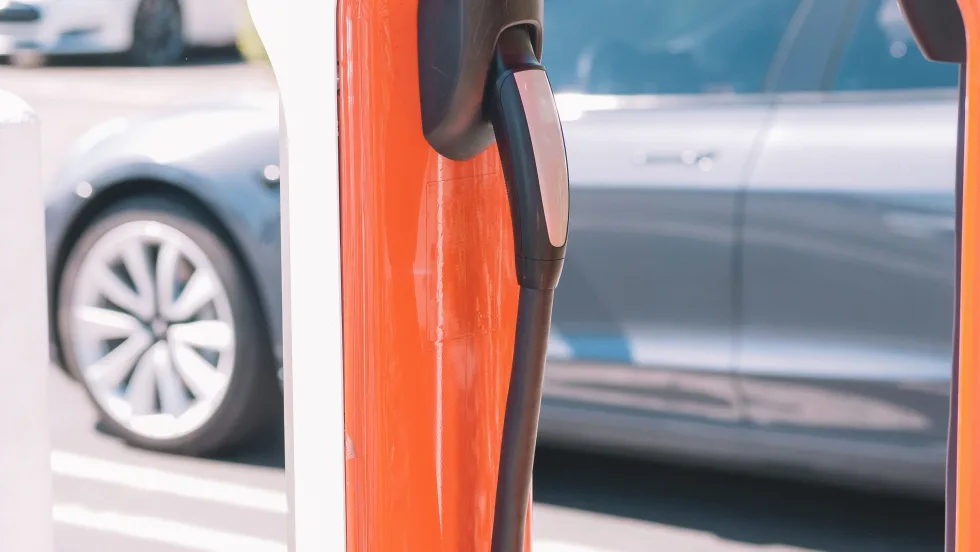
Charger Network Growth Slows
Despite a projected increase in public EV chargers in 2026, charging infrastructure remains a top concern for consumers as the gap between the most and least EV-friendly places remains substantial.
Read More →
Lenders, Consumers Take on More Auto Loan Risk
September records loosened credit access the most in over a decade as buyers took advantage of the conditions to afford trading, though loan applications fell.
Read More →
Next-Gen Hybrids in Sight
Dealerships can expect to see revamped hybrids from Honda next year as the company rolls out a new system and model lineup.
Read More →
Gem State Stores Change Hands
A larger auto group founded in the industry’s early years sold two franchises to a neighbor group that's on a growth spurt.
Read More →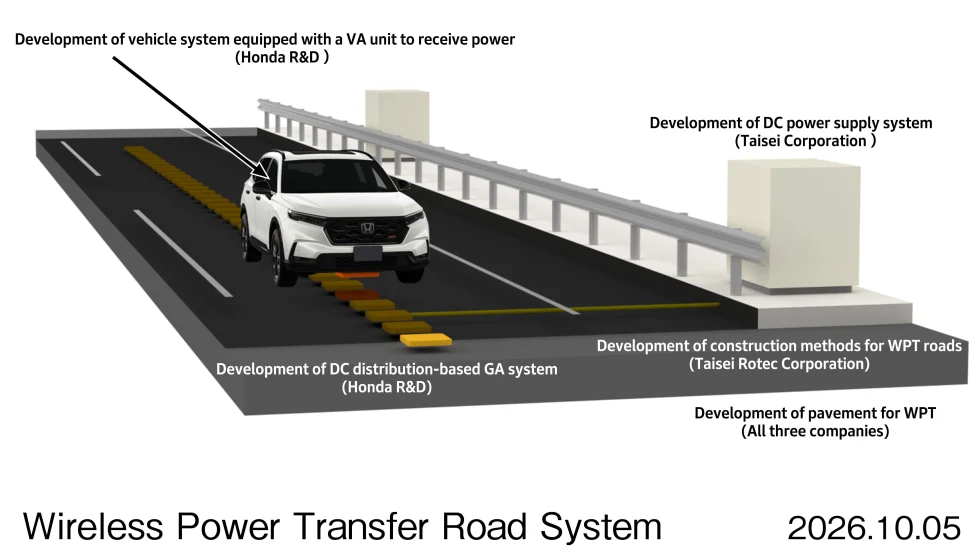
Charging In Motion
Honda has been researching wireless in-motion charging for electric vehicles since 2025, and new technology developments have put it a step closer to a final product.
Read More →
Twin Cities Stores Sell
Minnesota-based Walser Automotive Group made what it called the most significant acquisition in its history with a three-rooftop deal in Minneapolis.
Read More →
U.S. Auto Sales Still Below Prepandemic Levels
Mobility Global industry observers don’t expect the market to return to the higher volumes that became routine before Covid but to stay well below its potential.
Read More →
The Powertrain Shift
Electric-vehicle owners are backpedaling, according to new data, with product availability driving many to shift back to gas-powered engines.
Read More →
Achromatic Autos
The shades that dominate the U.S. car market don’t call attention to themselves, though grayscale may have plateaued after a 30-year upswing, research shows.
Read More →
Used-Vehicle Affordability Worsens
Listing prices in August defied seasonal trends, rising above $27,000 for the second time this year.
Read More →