


Toyota Acknowledges U.S.-Japan Disconnect

Toyota Motor Corp. has spent 20 years telling U.S. consumers how deeply it has sunk its roots into America.
But in congressional testimony last week, Toyota executives acknowledged that the home office in Japan continues to call the shots in its biggest market, Automotive News reported.
The disconnect between Toyota U.S.A. and Toyota Japan, as well as Toyota manufacturing and Toyota sales in the United States, partly accounts for the giant's current blizzard of problems, recalls, lawsuits and public scoldings, according to comments made during hours of congressional testimony last week.
Even as Toyota's U.S. manufacturing group is running print ads in Kentucky, Ohio and Indiana boasting that it is "dedicated to our community," corporate executives faced questions in Washington on how U.S. consumer concerns got lost in Japan.
Jim Lentz, president of Toyota Motor Sales U.S.A. Inc. and Toyota's highest-ranking U.S. sales executive, admitted under Capitol Hill questioning last week that decisions about whether to recall U.S. products for safety issues are all made in Japan.
Asked if any of Toyota's safety personnel report to him, Lentz said they do not. And he admitted that the centralized control of product issues in Japan had made it difficult for U.S. voices to be heard.
"We did not do a good job of sharing information around the globe," Lentz testified, attempting to explain why Toyota responded slowly to three years of U.S. consumer reports of unintended acceleration in some of its models. "Most of the flow was one-way."
Lentz said U.S. customers' complaints about safety issues -- as well as complaints made even earlier by Toyota customers in the United Kingdom -- went directly to engineering departments in Japan.
He said Toyota's growth in North America had outstripped its ability to employ U.S. engineering personnel to support it.
"The complexity of our product line grew," he testified. "We outgrew our engineering resources. We had strategies to deal with that, but the strategies didn't work."
The acknowledgements stand in contrast to Toyota's marketing efforts to portray itself as an automaker with an American identity.
More Industry
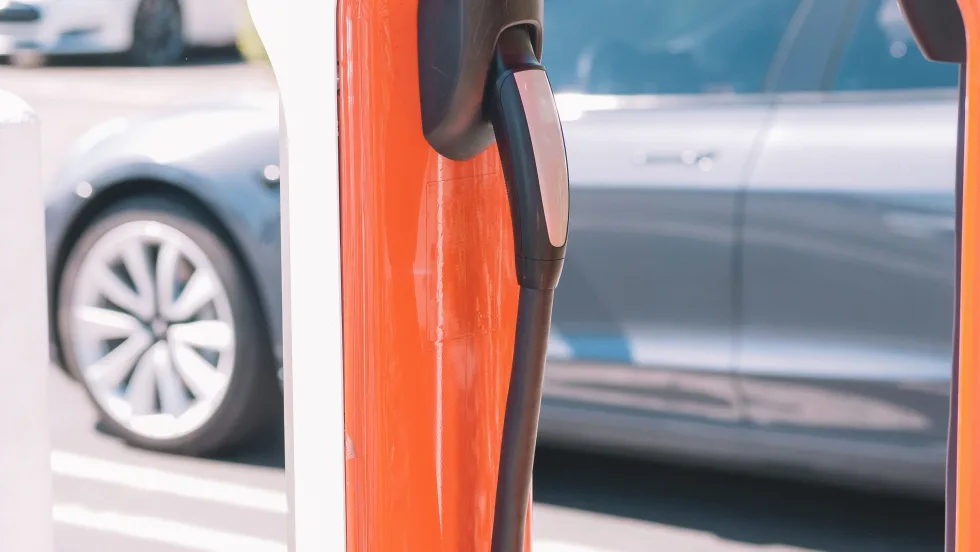
Charger Network Growth Slows
Despite a projected increase in public EV chargers in 2026, charging infrastructure remains a top concern for consumers as the gap between the most and least EV-friendly places remains substantial.
Read More →
Lenders, Consumers Take on More Auto Loan Risk
September records loosened credit access the most in over a decade as buyers took advantage of the conditions to afford trading, though loan applications fell.
Read More →
Next-Gen Hybrids in Sight
Dealerships can expect to see revamped hybrids from Honda next year as the company rolls out a new system and model lineup.
Read More →
Gem State Stores Change Hands
A larger auto group founded in the industry’s early years sold two franchises to a neighbor group that's on a growth spurt.
Read More →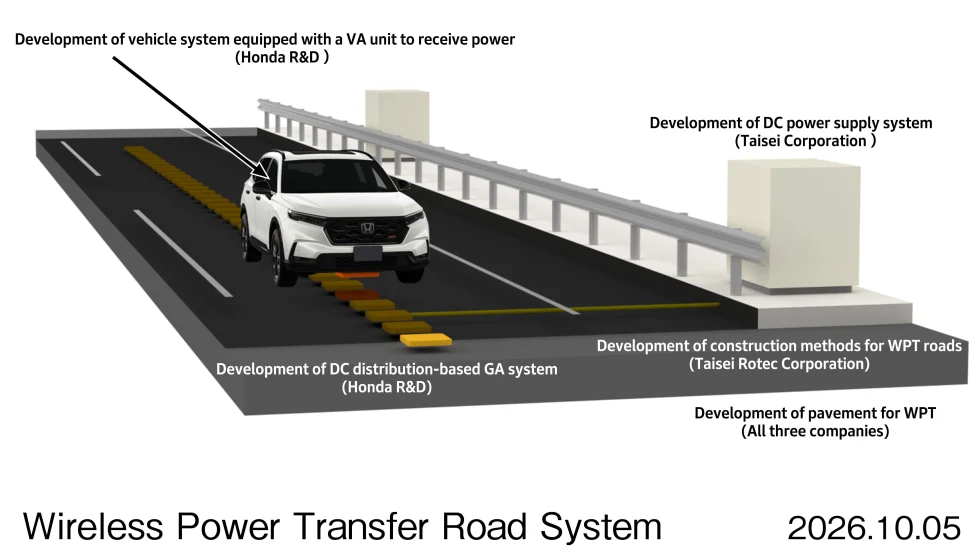
Charging In Motion
Honda has been researching wireless in-motion charging for electric vehicles since 2025, and new technology developments have put it a step closer to a final product.
Read More →
Twin Cities Stores Sell
Minnesota-based Walser Automotive Group made what it called the most significant acquisition in its history with a three-rooftop deal in Minneapolis.
Read More →
U.S. Auto Sales Still Below Prepandemic Levels
Mobility Global industry observers don’t expect the market to return to the higher volumes that became routine before Covid but to stay well below its potential.
Read More →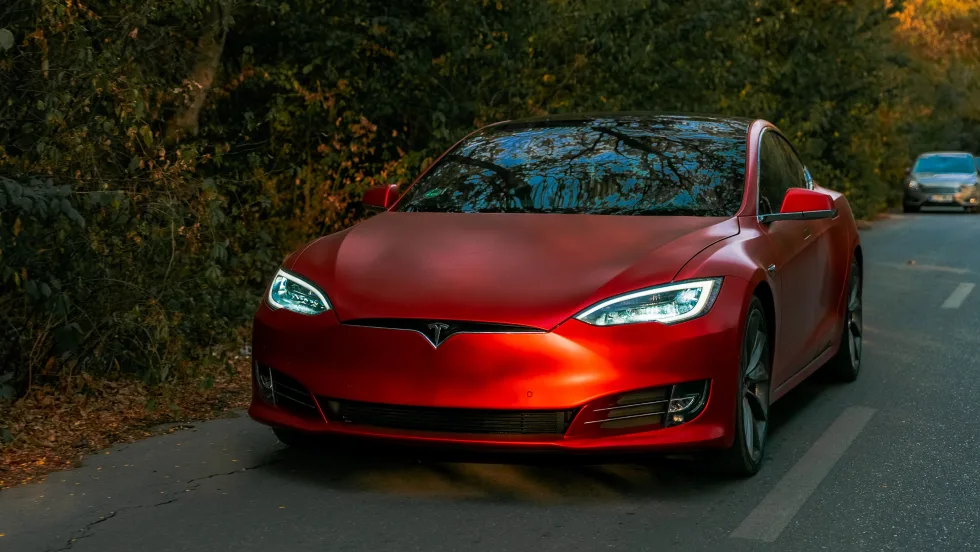
The Powertrain Shift
Electric-vehicle owners are backpedaling, according to new data, with product availability driving many to shift back to gas-powered engines.
Read More →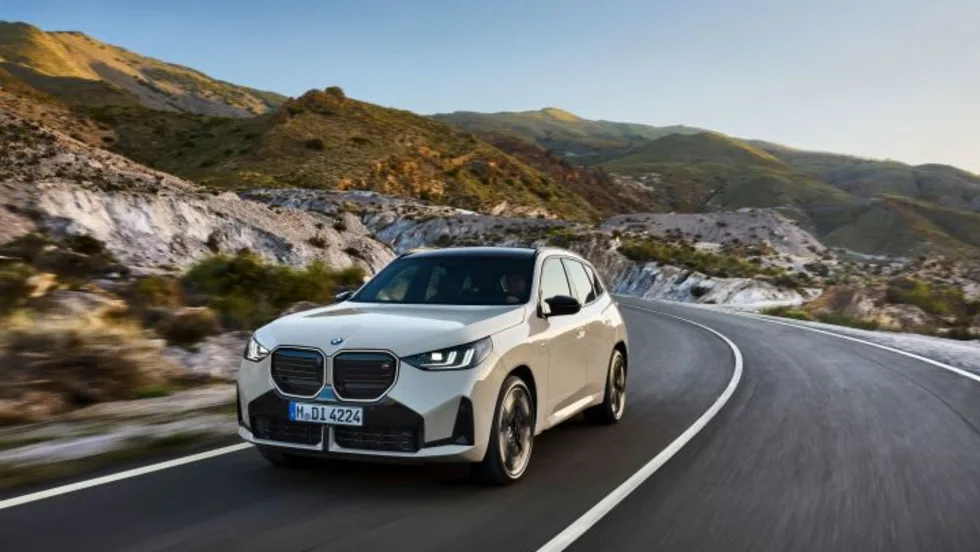
Achromatic Autos
The shades that dominate the U.S. car market don’t call attention to themselves, though grayscale may have plateaued after a 30-year upswing, research shows.
Read More →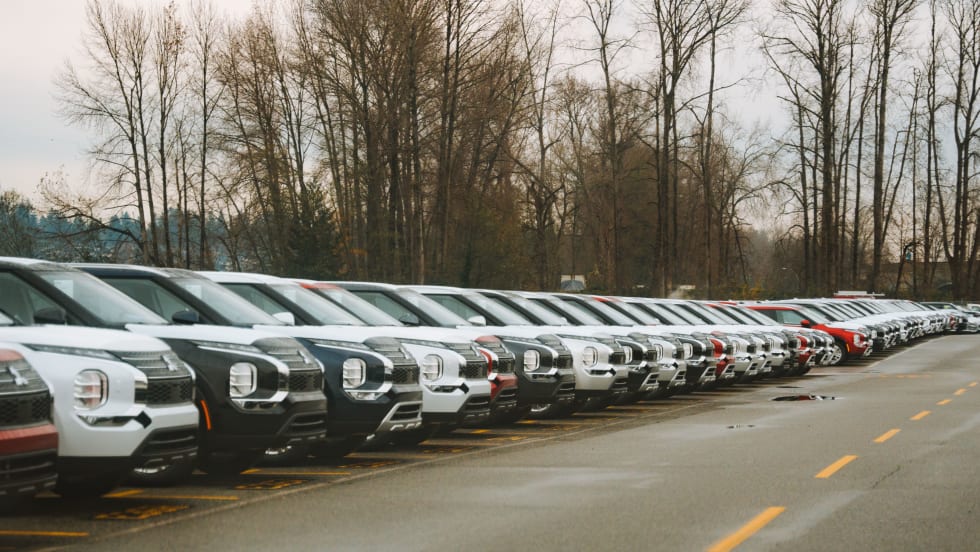
Used-Vehicle Affordability Worsens
Listing prices in August defied seasonal trends, rising above $27,000 for the second time this year.
Read More →