


Treasury Defends Plan to Make Banks Pay for Auto Bailout Losses

WASHINGTON - The nation's banks told the Senate Finance Committee that it is unfair to make them pay for taxpayer losses on the automotive bailout.
The Obama administration and some congressional Democrats want to impose a new fee or tax on the nation's largest financial institutions to cover any losses from the $700 billion Wall Street and auto bailout fund known as the Troubled Asset Relief Program, The Detroit News reported.
The auto industry has received an $85 billion bailout, and the administration's most recent estimate says it expects to lose $28 billion. But the Treasury Department will update that estimate later this month.
Treasury Secretary Timothy Geithner also defended the government's proposal.
"Banks should pay for the cost of bank failures -- not taxpayers," Geithner testified.
General Motors Co. and Chrysler Group have received about $62 billion in government bailouts. If taxpayers lost money on either investment, banks would be required to make up those losses.
Geithner says GM and Chrysler shouldn't be covered by the fee because they have already been restructured in bankruptcy.
"The auto companies are a different case," Geithner said. "Despite the many mistakes they made over time managing those businesses, they did not cause this financial crisis. Their challenges were made substantially worse by this financial crisis."
He said Treasury didn't think "it was necessary or appropriate" to apply the tax to the automakers.
Geithner said GM and Chrysler are in a "much stronger position today than any of us expected."
But the new tax would apply to Detroit-based GMAC Inc., Geithner said. GMAC, which will be renamed Ally Bank next week, has received a $17.2 billion bailout and is 56.3 percent owned by the U.S. Treasury.
The Obama administration said the new tax would raise $90 billion over 10 years.
"We question why the financial industry should be asked to pay for TARP losses attributable to other industries," said Steve Bartlett, president and CEO of the Financial Services Roundtable.
James Chessen, chief economist for the American Bankers Association, testified that if the TARP program had been limited to financial institutions, "there would be no losses." He said it was "unfair" for banks to have to cover the losses of automakers.
Sen. Orrin Hatch, R-Utah, questioned why banks that didn't receive government bailouts are also covered. He said the tax wouldn't be fair because it would not cover GM, Chrysler and Fannie Mae and Freddie Mac.
Sen. Charles Grassley, R-Iowa, a harsh critic of GM's recent advertisements that touted its repayment of $6.7 billion in loans, asked Geithner why GM isn't returning unused government bailout funds that had been in escrow.
On April 21, the Treasury gave GM unrestricted use of $6.6 billion in unused government bailout funds.
"Why shouldn't GM return the funds to the U.S. government?" Grassley asked.
Grassley and other Republicans have been angry that GM hasn't emphasized that the Treasury Department swapped $43 billion in loans for a 61 percent majority equity stake in GM.
Grassley and others have criticized GM ads that featured GM CEO Edward Whitacre Jr.; the ads stopped running last week. A conservative think tank, the Competitive Enterprise Institute, filed a complaint with the Federal Trade Commission over the ads today, asking the agency to investigate.
GM has defended the ads and even Grassley has acknowledged they were "technically accurate."
Sen. Debbie Stabenow, D-Lansing, said the automakers shouldn't be covered by the new fee.
Automakers were hurt by the frozen credit markets and didn't engage in reckless behavior as banks did, Stabenow said.
She called it "apples to oranges" to apply the fee to automakers.
More Industry
Charger Network Growth Slows
Despite a projected increase in public EV chargers in 2026, charging infrastructure remains a top concern for consumers as the gap between the most and least EV-friendly places remains substantial.
Read More →
Lenders, Consumers Take on More Auto Loan Risk
September records loosened credit access the most in over a decade as buyers took advantage of the conditions to afford trading, though loan applications fell.
Read More →
Next-Gen Hybrids in Sight
Dealerships can expect to see revamped hybrids from Honda next year as the company rolls out a new system and model lineup.
Read More →
Gem State Stores Change Hands
A larger auto group founded in the industry’s early years sold two franchises to a neighbor group that's on a growth spurt.
Read More →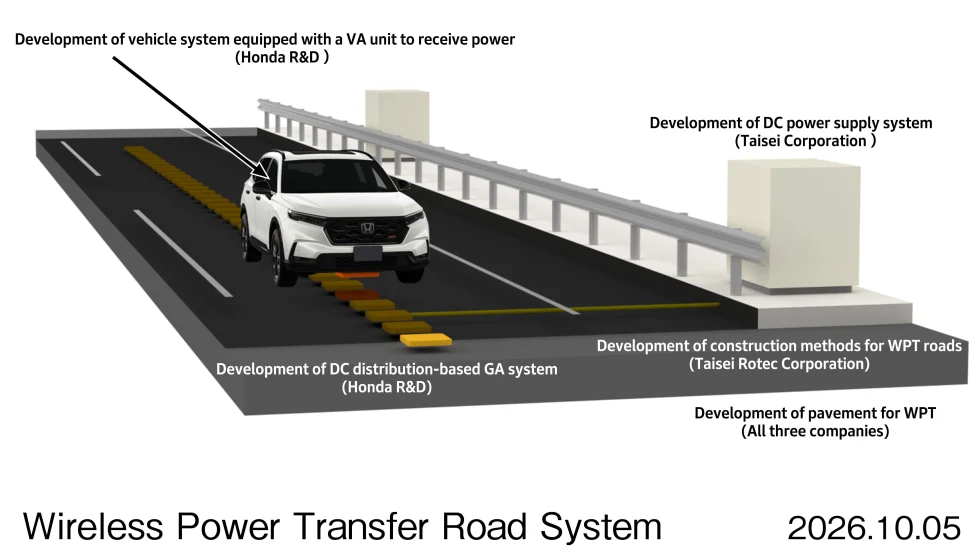
Charging In Motion
Honda has been researching wireless in-motion charging for electric vehicles since 2025, and new technology developments have put it a step closer to a final product.
Read More →
Twin Cities Stores Sell
Minnesota-based Walser Automotive Group made what it called the most significant acquisition in its history with a three-rooftop deal in Minneapolis.
Read More →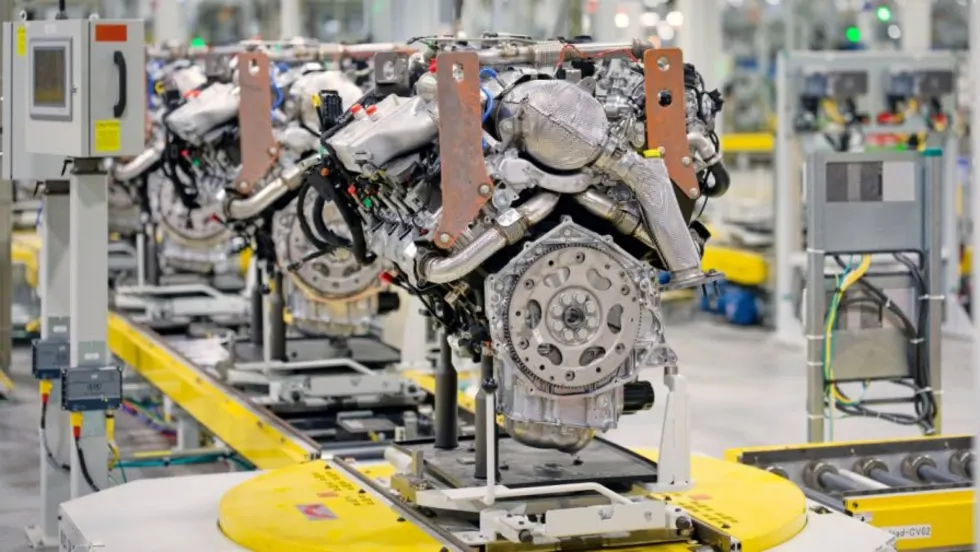
U.S. Auto Sales Still Below Prepandemic Levels
Mobility Global industry observers don’t expect the market to return to the higher volumes that became routine before Covid but to stay well below its potential.
Read More →
The Powertrain Shift
Electric-vehicle owners are backpedaling, according to new data, with product availability driving many to shift back to gas-powered engines.
Read More →
Achromatic Autos
The shades that dominate the U.S. car market don’t call attention to themselves, though grayscale may have plateaued after a 30-year upswing, research shows.
Read More →
Used-Vehicle Affordability Worsens
Listing prices in August defied seasonal trends, rising above $27,000 for the second time this year.
Read More →