


Trump Wins China Auto Tariff Standoff
China has agreed to reduce import taxes on U.S.-built vehicles from 40% to 15% for the duration of a 90-day countdown to a new trade deal between the world’s two largest economies.

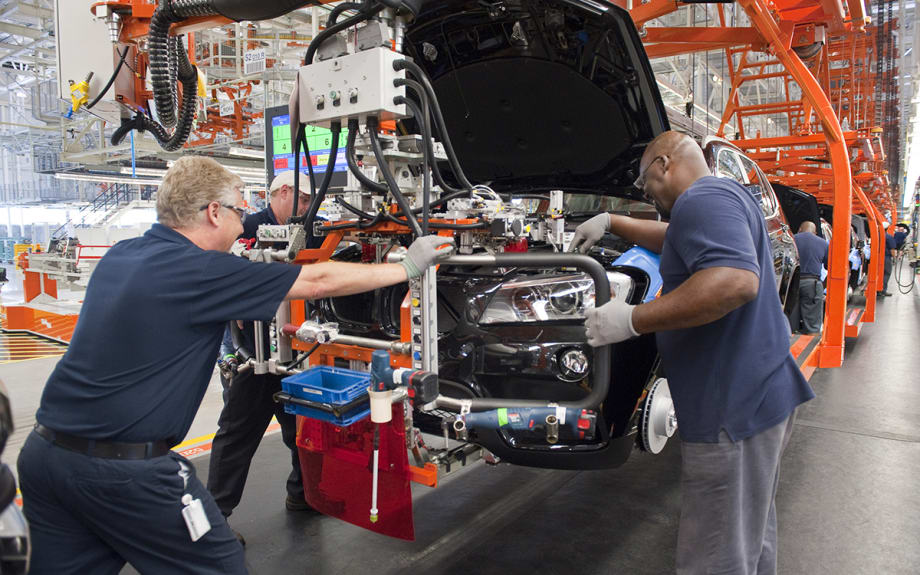
Vehicles exported to China from BMW’s Spartanburg, S.C., plant and other U.S. factories will no longer be subject to an additional 25% import tax as of Jan. 1.
Photo courtesy BMW of North America
WASHINGTON — China will suspend the additional 25% tariff imposed on U.S. auto imports for three months starting Jan. 1, the Chinese Finance Ministry announced Friday. The concession follows a Dec. 1 meeting between President Donald Trump and President Xi Jinping at the G20 summit in Buenos Aires. The ministry described the move as a “concrete action” that will lead to a “mutually beneficial new Sino-U.S. trade order.”
The announcement makes official unconfirmed reports from Bloomberg, other media outlets, and Trump himself that the import tax would be lifted. The 25% hike was enacted in April in retaliation for new levies on steel and aluminum imported to the U.S., bringing the total import tax on U.S.-built vehicles to 40%. Days earlier, China had reduced from 25% to 15% its tariff on all imported vehicles; the U.S. charges an import tax of 27.5% on vehicles made in China.
In the December meeting, Xi agreed to purchase a “very substantial” quantity of American goods to help reduce the nations’ trade imbalance. In return, Trump agreed to back off a threat to raise tariffs from 10% to 25% on $200 billion worth of Chinese exports. The leaders will now work under a self-imposed deadline of April 1 to reach a new, permanent trade deal.
The principal beneficiaries of China’s concession are BMW and Daimler, which owns Mercedes-Benz. The German automakers produce six of China’s 10 most popular imports, many of which are built in American plants. In a statement that followed Trump and Xi’s Buenos Aires meeting, factory executives singled out the pivotal role of BMW’s Spartanburg, S.C., plant in its global operations.
“Free trade has made the success story of BMW in the U.S. possible. In 2017, the Spartanburg plant exported more than 70% of its total production volume of 371,316 units to more than 120 countries,” the statement read, in part. “China is the No. 1 export destination, followed by Germany. According to the U.S. Department of Commerce, the BMW Group is the largest vehicle exporter from the U.S. in terms of value.”
Sales of all U.S. vehicles in China, including those built in Chinese plants operated by General Motors and other manufacturers, were down 1% for the first nine months of the year. In the same span, exports of vehicles to China from the U.S. fell by 30%, a $2.4 billion loss.
Originally posted on Auto Dealer Today
More Industry

First-Half Dealership Deals Up
Buy-sell activity shows that acquirers are looking for value and scale as many retailers seek to leave an increasingly competitive and complex market, Kerrigan Advisors reports.
Read More →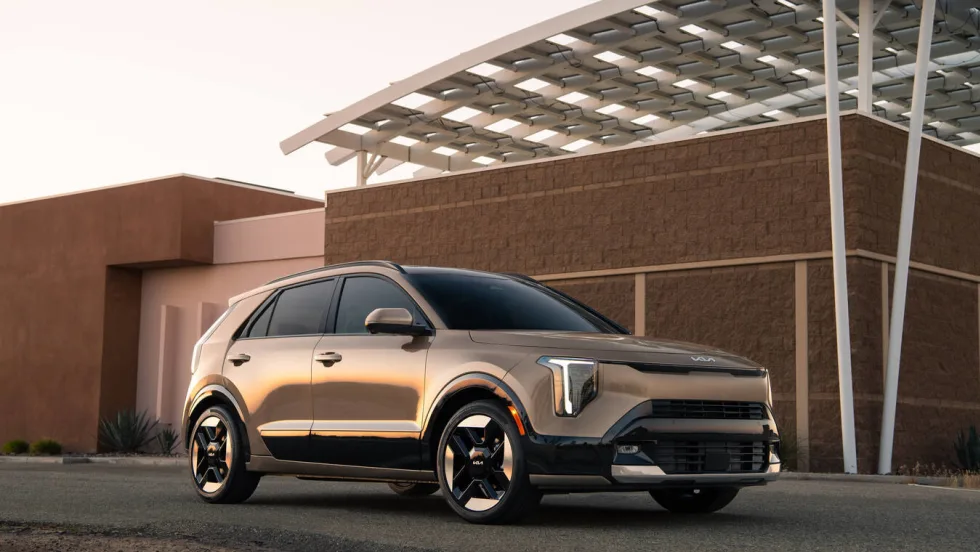
Kia Closes Out Summer With a Bang
Its U.S. subsidiary broke multiple records in August, in part due to a surge of demand for hybrids models.
Read More →
Indiana Dealership Changes Hands
A 30-year-old Ford dealership in Indiana has a new owner and will soon be undergoing renovations to meet manufacturer requirements.
Read More →
Texas Dealership No Longer in the Family
The Ford store, a longtime cornerstone of the Houston market, is now part of one of the fastest-growing U.S. auto groups.
Read More →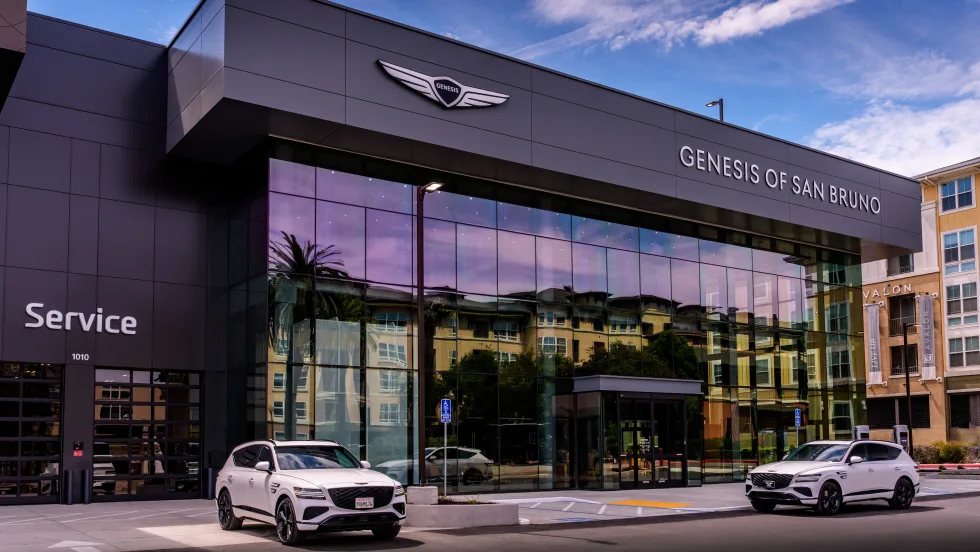
Genesis Grows California Presence
The Cardinale Automotive Group opened its third Genesis rooftop in the Golden State, Genesis of San Bruno, a stand-alone dealership serving the San Francisco Bay Area.
Read More →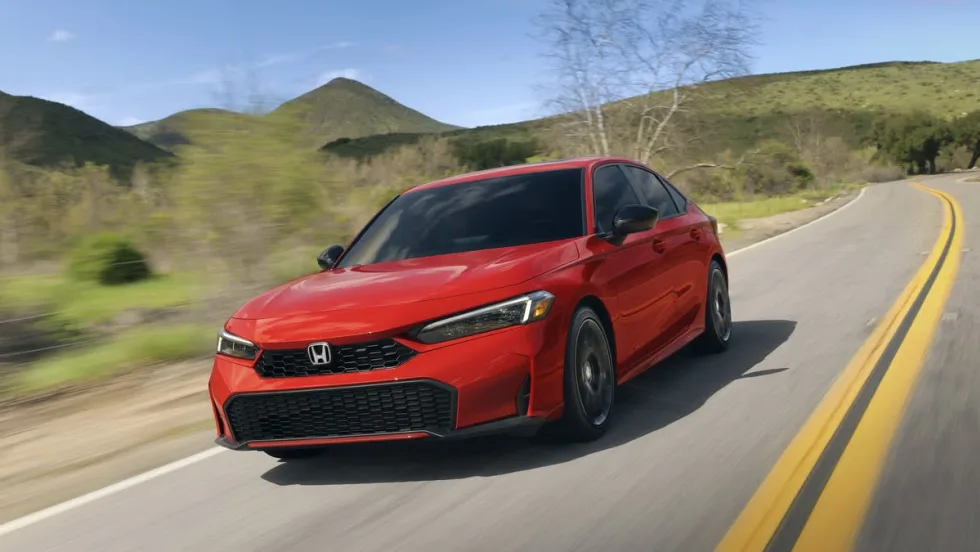
August Auto Sales a Mixed Bag
An early forecast shows strong business despite consumer hurdles, and hybrids are a big piece of their affordability coping strategy.
Read More →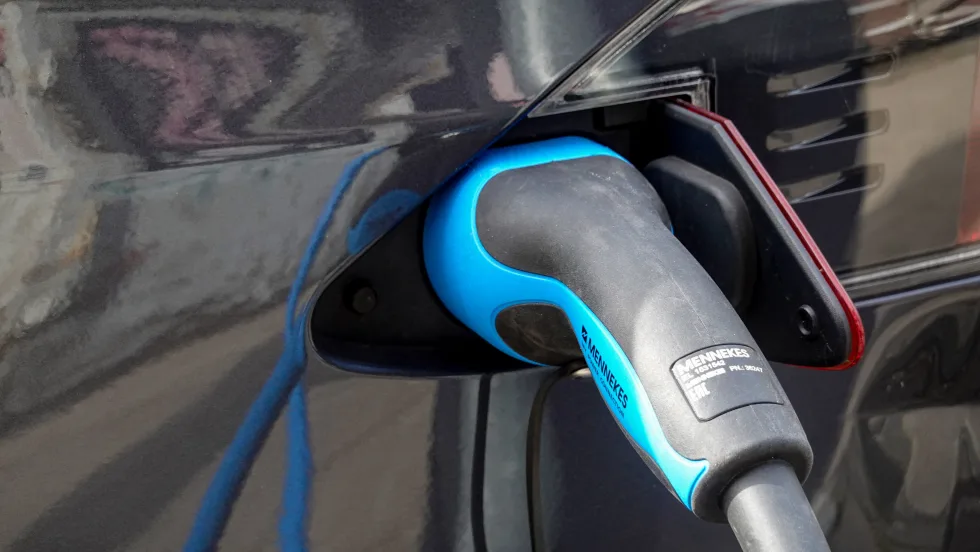
EV Market Humming Along
July sales show steady growth as the segment stabilizes from last year’s artificial surge following pullback of federal support.
Read More →
Auto Loan Delinquency Rates Stabilize
Auto loans are a main driver of nonmortgage consumer debt, but delinquency rates stabilized in the second quarter across all credit risk tiers.
Read More →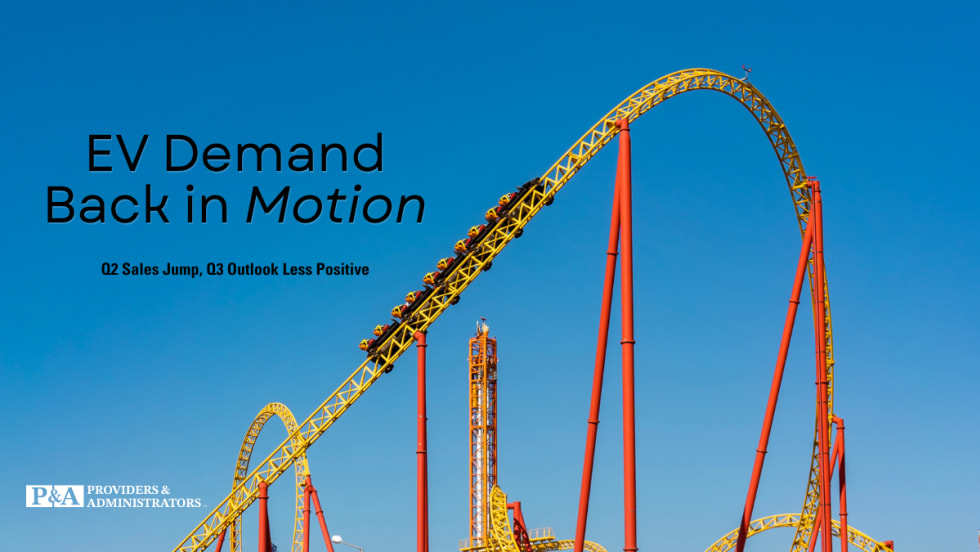
EV Sales Recover in Q2
The EV sales roller coaster continues as numbers show improvement, but industry experts predict a year-over-year third-quarter decline and fourth-quarter jump.
Read More →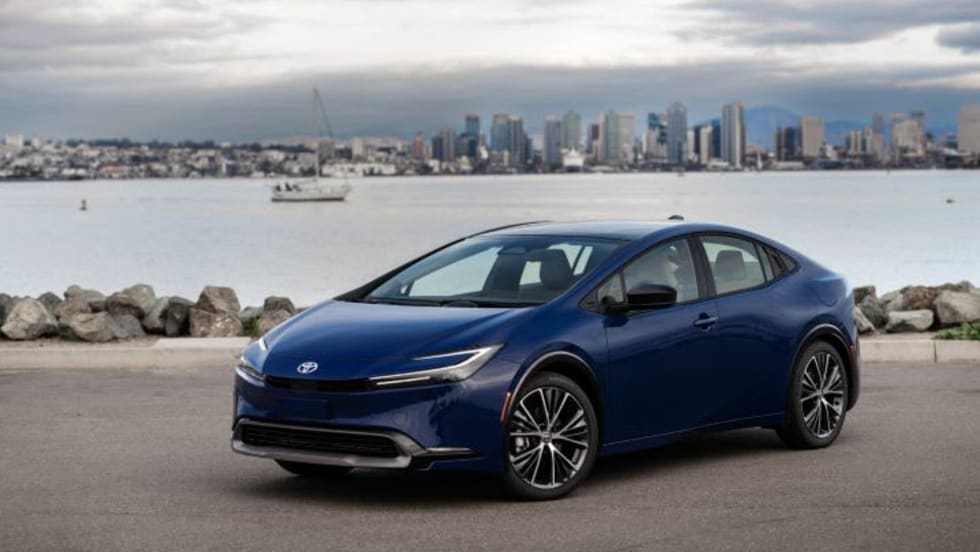
The Cheapest Hybrids to Fuel
The powertrain is increasing in popularity, in no small part due to its fuel economy. A new report lists the most efficient hybrids on the market.
Read More →