


U.S Fuel Economy on the Rise

Ann Arbor, Mich. — Despite U.S. population growth, fuel consumption by American drivers of light-duty vehicles is now lower than it was 15 years ago, said a University of Michigan (UM) researcher.
In a follow-up to a series of reports released last year, Michael Sivak of the UM Transportation Research Institute examined recent trends in fuel consumption by cars, pickup trucks, SUVs and vans in the U.S. fleet from 1984 to 2012.
His findings show that 123.6 billion gallons of gasoline were consumed in 2012, down 11% from a peak of 138.8 billion gallons in 2004 and less than the 125.9 billion gallons used in 1999.
"The decline of 11% since 2004 reflects the decline in distance driven and the improvement in vehicle fuel economy," said Sivak, a research professor and director of the Sustainable Worldwide Transportation research consortium.
In addition to total fuel consumption, Sivak examined fuel-consumption rates per person, per licensed driver, per household and per registered vehicle. He found that all four rates were 13% to 18% lower in 2012 than in their peak years (2003 for registered vehicles, 2004 for the other three measures).
Annual fuel-consumption rates for 2012 were about 394 gallons per person, 584 gallons per licensed driver, 1,021 gallons per household and 529 gallons per registered vehicle.
In addition to examining changes in fuel consumption, the latest study also analyzed changes in the number of vehicles and distance driven. The corresponding rates per person, per driver and per household each reached their maximum around 2004. Given that the reductions in these rates began to occur several years prior to the onset of the economic downturn that started in 2008, Sivak believes the maximum in the rates have a good chance to be long-term peaks.
Although economic factors have likely contributed to declining rates since the economic downturn, other societal changes have influenced the need for personal transportation, such as increased telecommuting, increased use of public transportation, increased urbanization of the population and changes in the age composition of drivers, he said.
"The combined evidence from this and the previous studies indicates that — per person, per driver and per household — we now have fewer light-duty vehicles, we drive each of them less and we consume less fuel than in the past," Sivak said. "There is no evidence in the 2012 data that the peaks in the rates that we experienced about 10 years ago were temporary."
More Industry
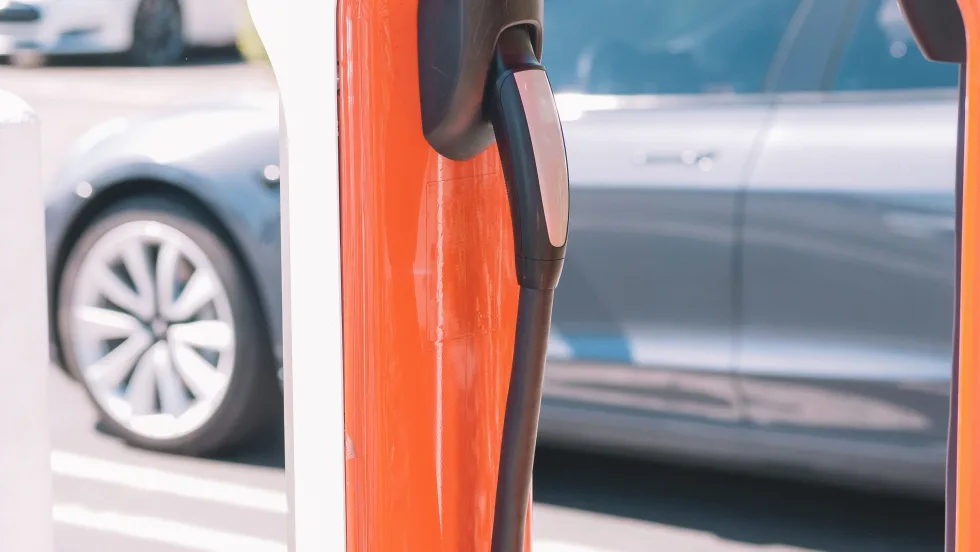
Charger Network Growth Slows
Despite a projected increase in public EV chargers in 2026, charging infrastructure remains a top concern for consumers as the gap between the most and least EV-friendly places remains substantial.
Read More →
Lenders, Consumers Take on More Auto Loan Risk
September records loosened credit access the most in over a decade as buyers took advantage of the conditions to afford trading, though loan applications fell.
Read More →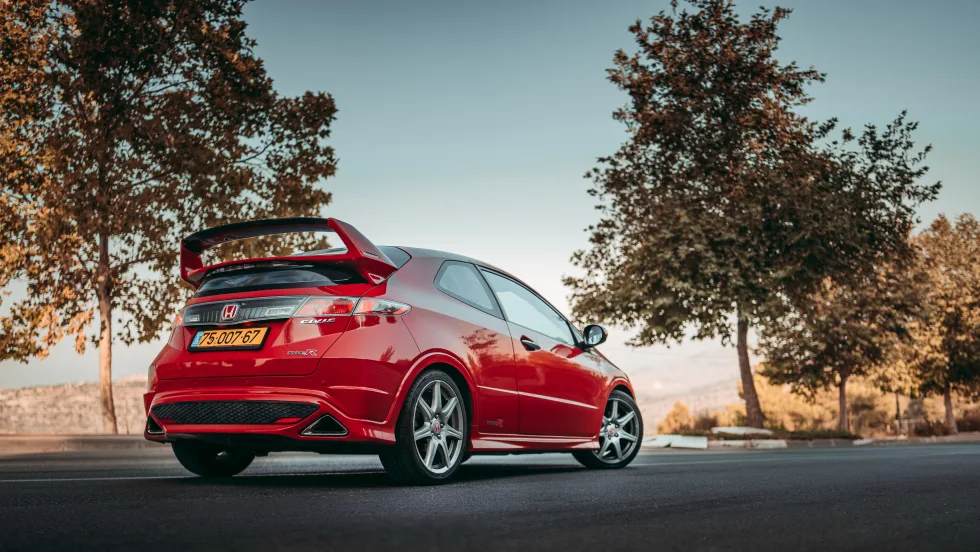
Next-Gen Hybrids in Sight
Dealerships can expect to see revamped hybrids from Honda next year as the company rolls out a new system and model lineup.
Read More →
Gem State Stores Change Hands
A larger auto group founded in the industry’s early years sold two franchises to a neighbor group that's on a growth spurt.
Read More →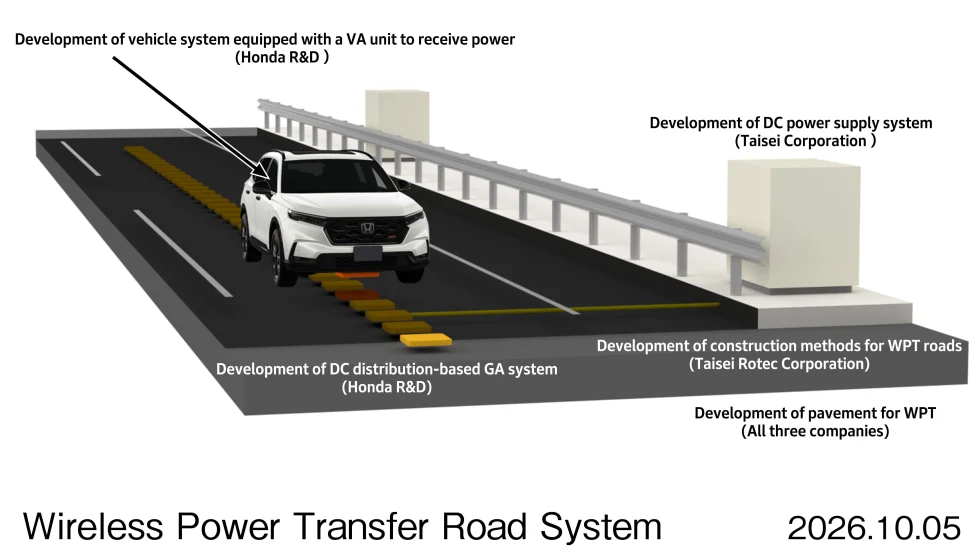
Charging In Motion
Honda has been researching wireless in-motion charging for electric vehicles since 2025, and new technology developments have put it a step closer to a final product.
Read More →
Twin Cities Stores Sell
Minnesota-based Walser Automotive Group made what it called the most significant acquisition in its history with a three-rooftop deal in Minneapolis.
Read More →
U.S. Auto Sales Still Below Prepandemic Levels
Mobility Global industry observers don’t expect the market to return to the higher volumes that became routine before Covid but to stay well below its potential.
Read More →
The Powertrain Shift
Electric-vehicle owners are backpedaling, according to new data, with product availability driving many to shift back to gas-powered engines.
Read More →
Achromatic Autos
The shades that dominate the U.S. car market don’t call attention to themselves, though grayscale may have plateaued after a 30-year upswing, research shows.
Read More →
Used-Vehicle Affordability Worsens
Listing prices in August defied seasonal trends, rising above $27,000 for the second time this year.
Read More →