


U.S., Korea Push Trade Talks to Wire

SEOUL — Negotiations between the U.S. and South Korea to revive a stalled free-trade deal still faced significant hurdles early Thursday as the countries neared a deadline imposed by U.S. President Barack Obama, who is hoping to use the pact to jump-start his trade policy.
Trade negotiators from the two countries have been working all week to resolve the disputes before a meeting scheduled for Thursday afternoon between Obama and South Korean President Lee Myung-bak, reported The Wall Street Journal.
But shortly before that meeting, White House officials cautioned that the talks remained stuck on what U.S. negotiators see as unfair environmental standards designed to keep American automobiles out of South Korea.
A failure now would be a major embarrassment for Obama, who has made boosting exports a major economic cause—and has redoubled his export initiative in the wake of this month's historic Democratic election defeats.
The two presidents were scheduled to appear at a press conference Thursday afternoon in Seoul, and Obama may have no choice but to declare the two sides will keep negotiating until a deal is reached.
"As we have said previously, if we can reach the standard for a fair trade agreement that the president has set out on, particularly, autos, we will move forward," White House spokeswoman Amy Brundage said. "We hope to continue making progress."
The two countries forged a free-trade deal in April 2007 after a year of talks. It was designed to expand their two-way trade, which amounted to about $70 billion last year. Most analysts said the U.S. trade deficit with South Korea, which was about $10 billion last year, would narrow as a result of the deal.
But in the United States, automakers and beef farmers complained the deal didn't go far enough to open up the South Korean market. The deal languished as the Bush administration didn't feel confident it could win ratification for it in the Senate.
Over the past week, U.S. trade negotiators pressed South Korea to change some of its nontariff barriers in the auto sector, specifically regulations on fuel efficiency and emissions that are a hodgepodge of American and European standards that force auto makers in both regions to adjust their vehicles for sale in South Korea.
South Korean Trade Minister Kim Jong-hoon told reporters earlier this week that he was willing to deal on autos, but he insisted the Korean standards are based on environmental considerations.
Imports account for about 6 percent of South Korea's market of about 1.1 million annual unit sales. That is up from 3.5 percent in 2006, but still well below levels seen in other advanced economies.
In the U.S., Ford Motor Co. has been the loudest opponent of the deal, even taking out full-page newspaper ads against it. Ford sells about 4,000 cars a year in South Korea, the most of any U.S. brand, although General Motors Corp. owns a majority stake in South Korea-based Daewoo Motors, which has about 9% of the market.
In the final hours before a deal was due to be announced, Ford was holding firm to its position that any deal would have to provide greater certainty that South Korea wouldn't continue to erect barriers to U.S. cars in the form of changing regulations. As talks drew to the wire, Ford declined to comment on any potential progress, saying the landscape could still change.
U.S. and South Korean negotiators reached the original deal in April 2007 under the deadline pressure of the looming expiration of the Bush administration's fast-track negotiating authority, in which it could present a completed deal for Congress to approve or reject but not modify.
Analysts said a deal would likely boost two-way trade, which has been in the $70 billion to $80 billion range for the past few years, by 10 percent to 20 percent over five years. South Korean politicians and the public embraced the deal immediately, chiefly because it was portrayed in the country's media as a "win" despite the prospect that its trade surplus with the U.S. would shrink. The deal exempted South Korea's rice industry from U.S. competition, adding to the Korean perception of a win.
That strong public sentiment, however, made it difficult for South Korean authorities to agree to discuss modifications. Negotiations have been complicated by perceptions in South Korea that its government might be giving in to pressure from the United States.
More Industry

First-Half Dealership Deals Up
Buy-sell activity shows that acquirers are looking for value and scale as many retailers seek to leave an increasingly competitive and complex market, Kerrigan Advisors reports.
Read More →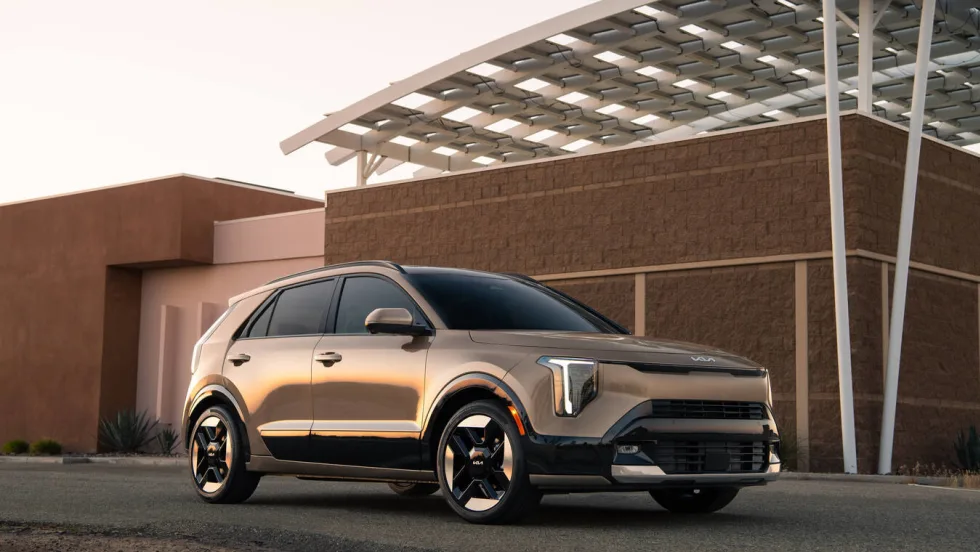
Kia Closes Out Summer With a Bang
Its U.S. subsidiary broke multiple records in August, in part due to a surge of demand for hybrids models.
Read More →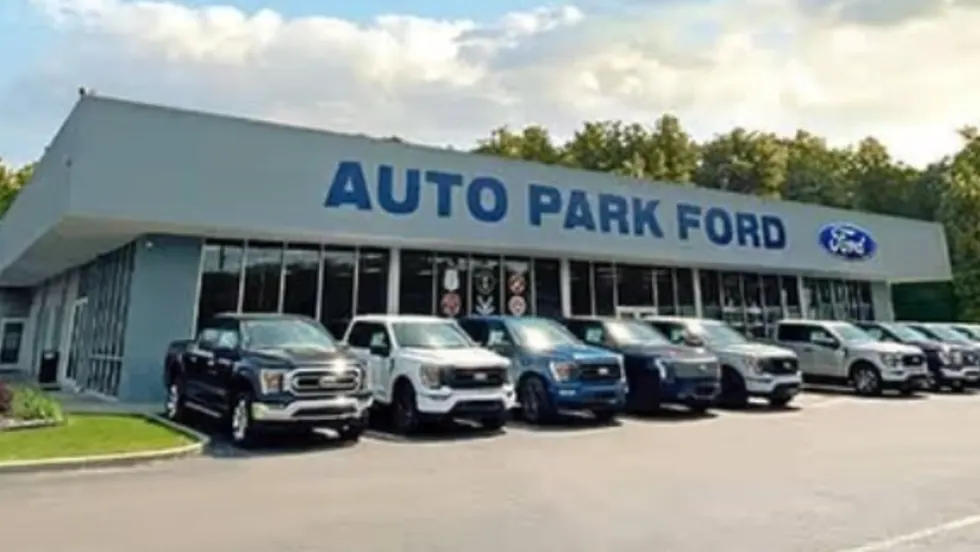
Indiana Dealership Changes Hands
A 30-year-old Ford dealership in Indiana has a new owner and will soon be undergoing renovations to meet manufacturer requirements.
Read More →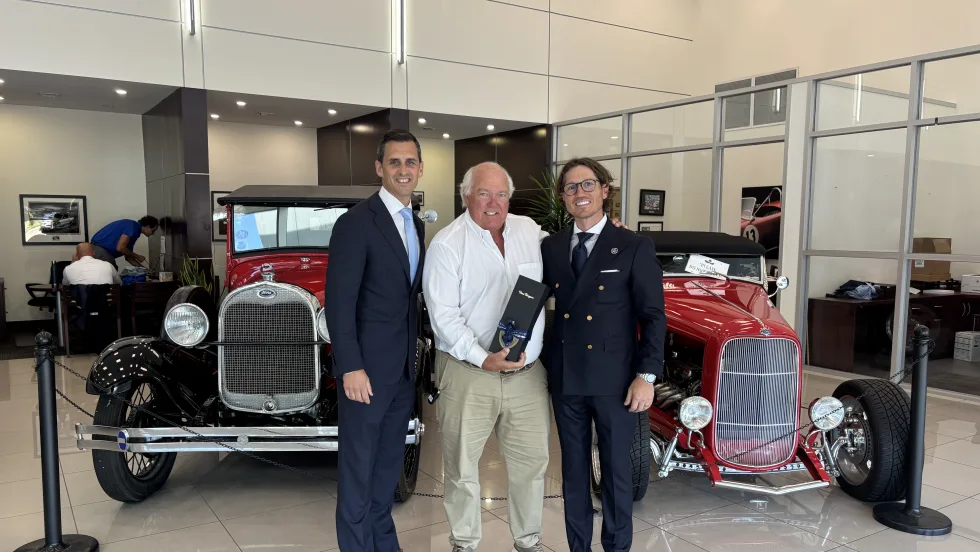
Texas Dealership No Longer in the Family
The Ford store, a longtime cornerstone of the Houston market, is now part of one of the fastest-growing U.S. auto groups.
Read More →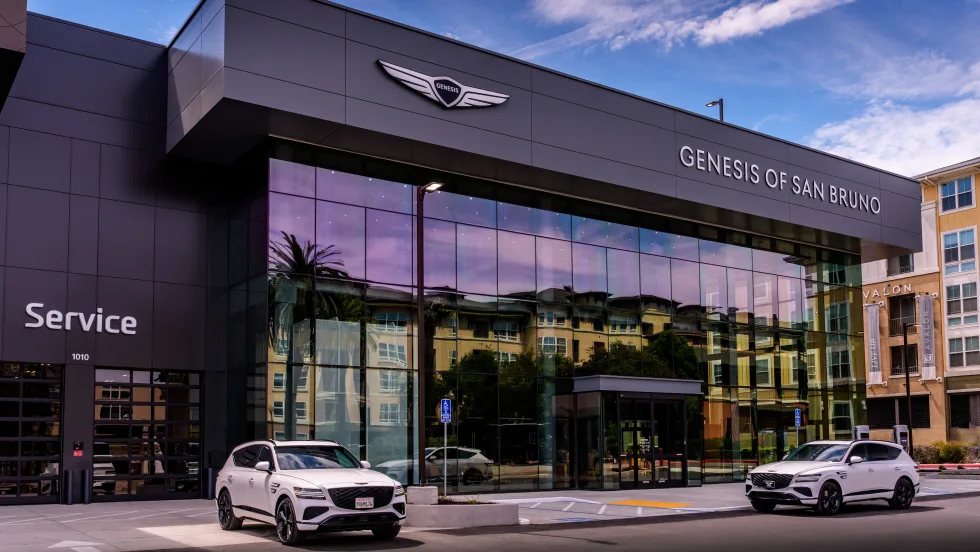
Genesis Grows California Presence
The Cardinale Automotive Group opened its third Genesis rooftop in the Golden State, Genesis of San Bruno, a stand-alone dealership serving the San Francisco Bay Area.
Read More →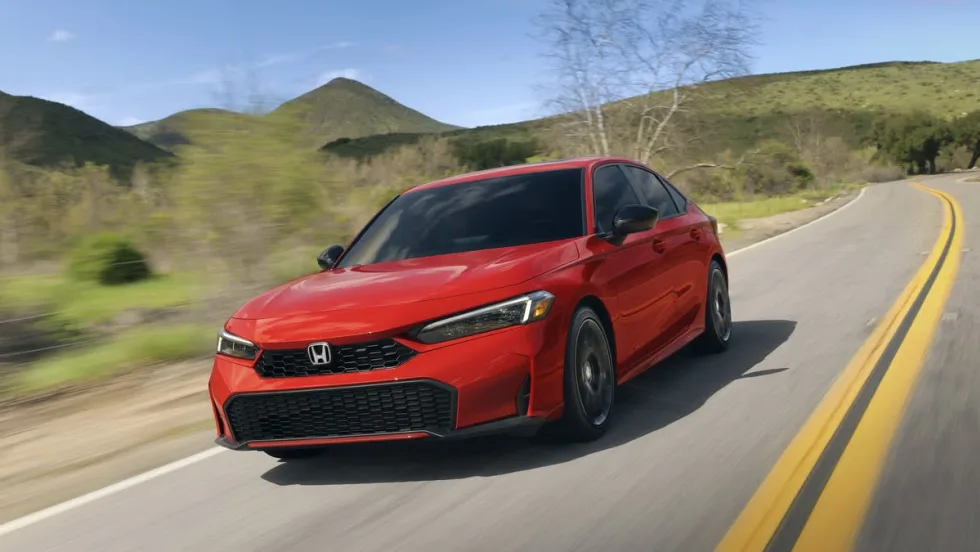
August Auto Sales a Mixed Bag
An early forecast shows strong business despite consumer hurdles, and hybrids are a big piece of their affordability coping strategy.
Read More →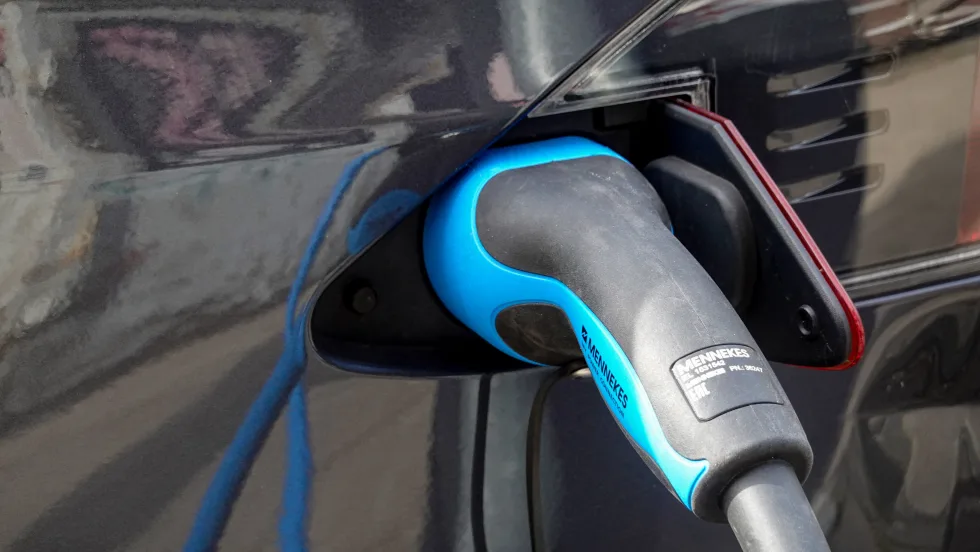
EV Market Humming Along
July sales show steady growth as the segment stabilizes from last year’s artificial surge following pullback of federal support.
Read More →
Auto Loan Delinquency Rates Stabilize
Auto loans are a main driver of nonmortgage consumer debt, but delinquency rates stabilized in the second quarter across all credit risk tiers.
Read More →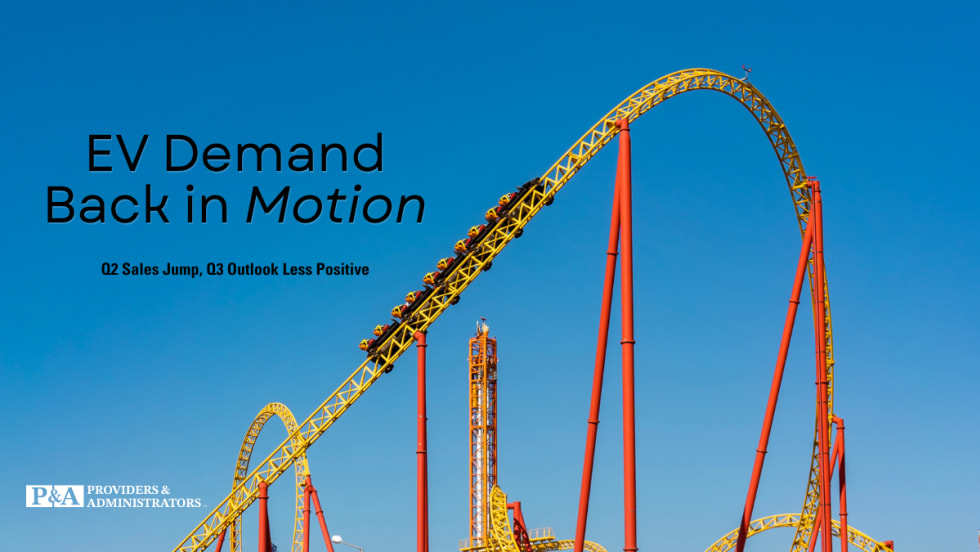
EV Sales Recover in Q2
The EV sales roller coaster continues as numbers show improvement, but industry experts predict a year-over-year third-quarter decline and fourth-quarter jump.
Read More →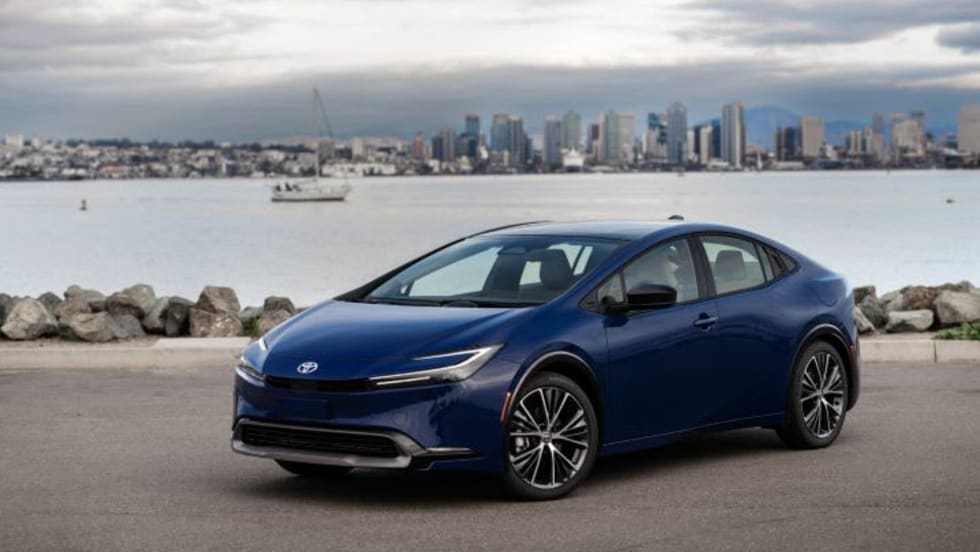
The Cheapest Hybrids to Fuel
The powertrain is increasing in popularity, in no small part due to its fuel economy. A new report lists the most efficient hybrids on the market.
Read More →