


U.S. Plays Big Role in Share Offering of General Motors

WASHINGTON — As General Motors moves to become a public company again, all the big decisions on the timing, size and price of the share offering will be left to its largest shareholder: the U.S. government.
The Obama administration, mindful of the politics surrounding its $50 billion GM bailout, says it is eager to liquidate its 61 percent stake in GM as swiftly and lucratively as possible, The Wall Street Journal reported.
But administration officials say there is no push to sell shares before the November midterm elections. "We want to do this as quickly as practicable, but in a way that protects our investment," an Obama official familiar with timing discussions told the Journal.
The outcome of GM's share offering will be a critical political milestone for the Obama White House. The administration's decision last year to undertake a federal intervention in the affairs of the nation's largest auto maker—firing GM chief executive Rick Wagoner and steering it through a bankruptcy restructuring—provoked a backlash among conservatives. GM executives say that backlash also extends to potential customers, who say they will bypass the auto maker because they object to the federal bailout.
The White House said it had to step in to prop up GM and the smaller Chrysler to avoid chaotic collapses at two huge employers in the nation's heartland.
Now, as President Barack Obama tours the country to defend his economic policies, he has pointed to the rebounding auto industry to make the case that the taxpayer-funded interventions at GM and Chrysler accomplished their goals: Saving two iconic companies and salvaging thousands of jobs.
In a swing through Michigan last month, President Obama said that the entire U.S. auto industry was at risk in early 2009, when his administration decided to usher GM and Chrysler through bankruptcy proceedings with the help of tens of billions of dollars in taxpayer assistance.
"The industry looked like it was going over a cliff," he told workers at a Chrysler plant.
He then cited figures showing that the U.S. auto industry had hired 55,000 new workers in the year since GM and Chrysler emerged from bankruptcy protection last summer, after shedding 334,000 jobs in the year leading up to the GM and Chrysler bankruptcies.
The GM IPO, though, will end up answering a much simpler question: How much did taxpayers lose—or gain—by bailing out GM last year?
Analysts say that the market would have to value GM's stock at around $70 billion for the government to recover the whole of its remaining investment—a target that some say is unlikely, but not impossible.
More Industry
Charger Network Growth Slows
Despite a projected increase in public EV chargers in 2026, charging infrastructure remains a top concern for consumers as the gap between the most and least EV-friendly places remains substantial.
Read More →
Lenders, Consumers Take on More Auto Loan Risk
September records loosened credit access the most in over a decade as buyers took advantage of the conditions to afford trading, though loan applications fell.
Read More →
Next-Gen Hybrids in Sight
Dealerships can expect to see revamped hybrids from Honda next year as the company rolls out a new system and model lineup.
Read More →
Gem State Stores Change Hands
A larger auto group founded in the industry’s early years sold two franchises to a neighbor group that's on a growth spurt.
Read More →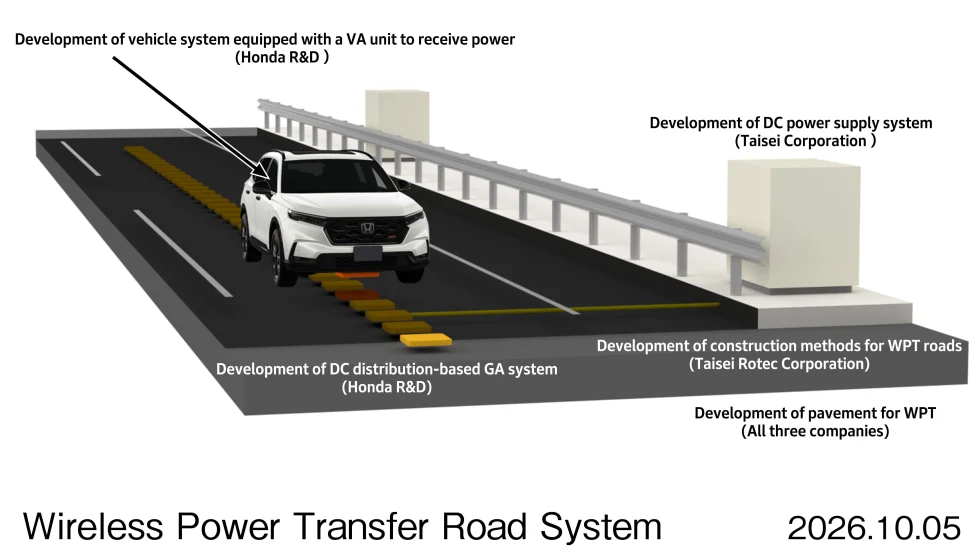
Charging In Motion
Honda has been researching wireless in-motion charging for electric vehicles since 2025, and new technology developments have put it a step closer to a final product.
Read More →
Twin Cities Stores Sell
Minnesota-based Walser Automotive Group made what it called the most significant acquisition in its history with a three-rooftop deal in Minneapolis.
Read More →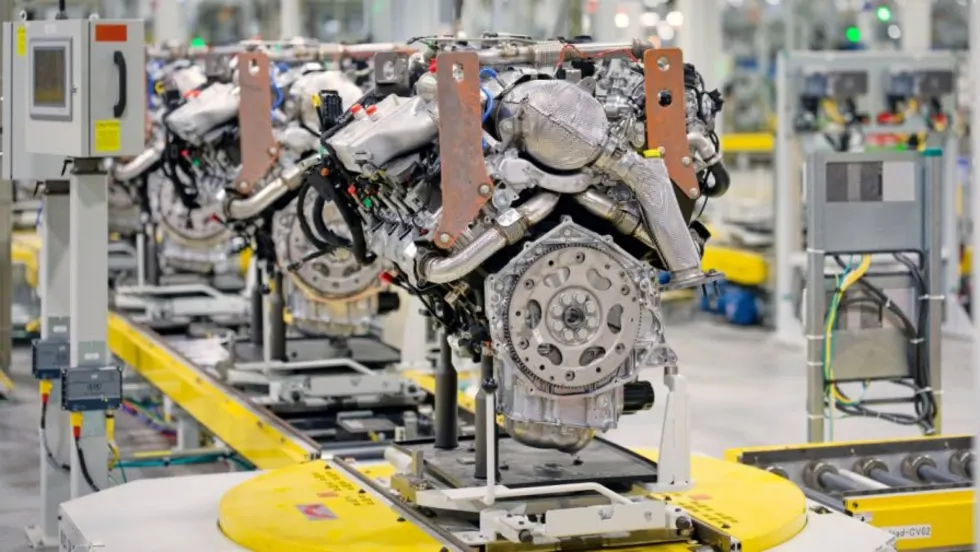
U.S. Auto Sales Still Below Prepandemic Levels
Mobility Global industry observers don’t expect the market to return to the higher volumes that became routine before Covid but to stay well below its potential.
Read More →
The Powertrain Shift
Electric-vehicle owners are backpedaling, according to new data, with product availability driving many to shift back to gas-powered engines.
Read More →
Achromatic Autos
The shades that dominate the U.S. car market don’t call attention to themselves, though grayscale may have plateaued after a 30-year upswing, research shows.
Read More →
Used-Vehicle Affordability Worsens
Listing prices in August defied seasonal trends, rising above $27,000 for the second time this year.
Read More →