


U.S. Study Points to Driver Error in Many Toyota Crashes

Five months into an investigation of safety issues involving Toyota Motor Corp. vehicles, U.S. safety officials have yet to identify any new defects beyond those reported by the carmaker itself, reported The Wall Street Journal.
And in more than half of the crashes blamed on sudden acceleration analyzed by the government, data from the vehicles' "black boxes" show the driver was not stepping on the brake at the time of the accident—indicating that driver error may have been at fault.
Those were the findings that U.S. Transportation Department officials disclosed Tuesday to members of Congress, offering the first significant details of the government's ongoing investigation into Toyota's recall of more than 8.5 million vehicles globally since last fall.
Officials stressed that their investigation continues and may take months to complete. But the data, at least for now, support Toyota's assertion that electronic defects in its cars aren't behind the incidents.
Experts at the National Highway Traffic Safety Administration examined 58 vehicles involved in sudden-acceleration reports and found data in 35 of them showed the brakes weren't applied at the time of the crash. Data from nine other vehicles showed the brakes were used only in the last moment before impact.
The report doesn't specify driver error as a cause of unintended acceleration, although people familiar with the investigation have said the findings point to pedal misapplication—mistakenly hitting the gas instead of the brakes—as a likely cause.
The release of the preliminary findings comes after calls from Congress to make public the results of NHTSA's investigation into complaints about sudden acceleration in Toyotas. The Wall Street Journal reported in July that NHTSA had found evidence of driver error in most of the Toyotas it examined in its probe.
Toyota has identified floor mats that can entrap a car's gas pedal as one cause of sudden acceleration. Another problem Toyota identified is a gas pedal mechanism that sometimes can be slow to return to its non-depressed position. Toyota has recalled more than eight million vehicles world-wide to correct those issues.
In five of the 58 vehicles NHTSA examined, the data recorders didn't record the conditions in the car at the time of the crash. Black boxes from five additional vehicles showed the brakes were applied early in the incident or in the middle of the event. In one case both the brake and accelerator pedals were depressed. Investigators found one case of sustained braking and concluded the floor mat likely trapped the gas pedal.
NHTSA is still examining the data in one case, and in another it found that the information recorded was unrelated to an incident of sudden acceleration.
"The limited research completed so far has not led to identification of safety defects other than sticking gas pedals or pedal entrapment," the report said.
Toyota said its own investigation has found no evidence that glitches in the electronic components of gas pedals could cause sudden acceleration, as some auto safety advocates have suggested.
Rep. Bart Stupak (D., Mich.), chairman of the Energy and Commerce Committee's oversight panel, which held hearings on the Toyota recalls this year, said the report resolved few questions about the sources of the Toyota crashes.
More Industry
Charger Network Growth Slows
Despite a projected increase in public EV chargers in 2026, charging infrastructure remains a top concern for consumers as the gap between the most and least EV-friendly places remains substantial.
Read More →
Lenders, Consumers Take on More Auto Loan Risk
September records loosened credit access the most in over a decade as buyers took advantage of the conditions to afford trading, though loan applications fell.
Read More →
Next-Gen Hybrids in Sight
Dealerships can expect to see revamped hybrids from Honda next year as the company rolls out a new system and model lineup.
Read More →
Gem State Stores Change Hands
A larger auto group founded in the industry’s early years sold two franchises to a neighbor group that's on a growth spurt.
Read More →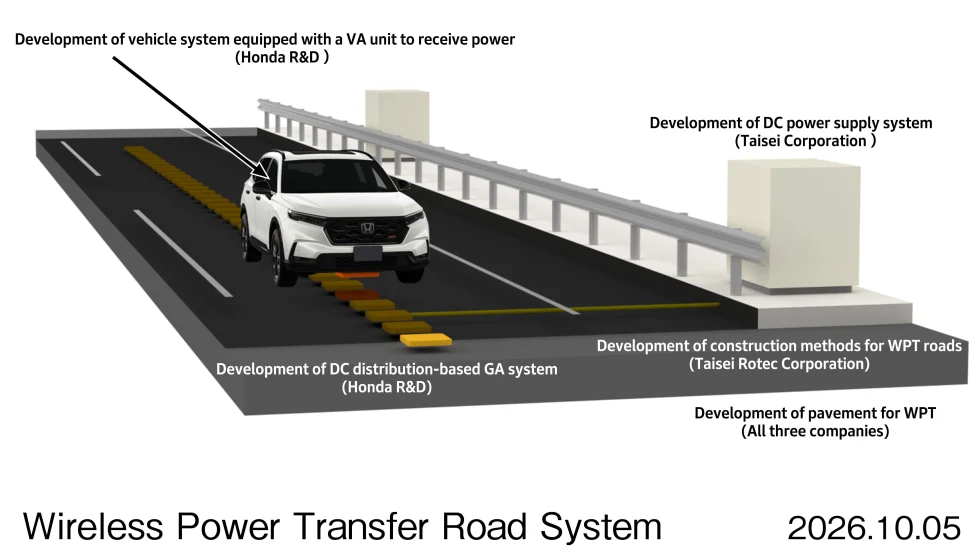
Charging In Motion
Honda has been researching wireless in-motion charging for electric vehicles since 2025, and new technology developments have put it a step closer to a final product.
Read More →
Twin Cities Stores Sell
Minnesota-based Walser Automotive Group made what it called the most significant acquisition in its history with a three-rooftop deal in Minneapolis.
Read More →
U.S. Auto Sales Still Below Prepandemic Levels
Mobility Global industry observers don’t expect the market to return to the higher volumes that became routine before Covid but to stay well below its potential.
Read More →
The Powertrain Shift
Electric-vehicle owners are backpedaling, according to new data, with product availability driving many to shift back to gas-powered engines.
Read More →
Achromatic Autos
The shades that dominate the U.S. car market don’t call attention to themselves, though grayscale may have plateaued after a 30-year upswing, research shows.
Read More →
Used-Vehicle Affordability Worsens
Listing prices in August defied seasonal trends, rising above $27,000 for the second time this year.
Read More →