


Used-Vehicle Owners Warned of Faulty Air Bags
Recent deaths, disfigurements blamed on replacement bags made by disreputable sources.

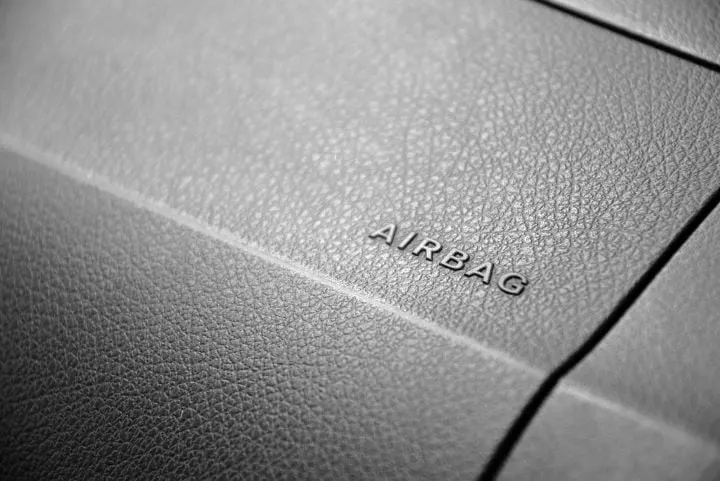
Vehicles involved in the recent crashes had been in previous wrecks and had their air bags replaced with defective equipment, NHTSA said.
Pexels/Dietmar Janssen
Owners of used vehicles are being warned to have their air bags inspected to ensure they’re genuine after three recent deaths of travelers killed by faulty bags.
The National Highway Traffic Safety Administration said some original air bags have been replaced with versions that include substandard inflators, many of which were made outside the U.S. It said that in addition to three deaths caused by such bags in the past nine months, two people have suffered disfiguring injuries.
The federal agency said all of the vehicles involved in the crashes had been in previous wrecks and had their air bags replaced with defective equipment.
“These dangerous aftermarket parts malfunctioned in subsequent crashes, sending large metal fragments into drivers’ chests, necks, eyes and faces, killing or severely injuring drivers in otherwise survivable crashes,” NHTSA said.
Such substandard air bags are typically made by overseas companies with limited or no track record of quality product and experience, are sold online at well under the prices of genuine counterparts, and installed by shops without strong reputations, such as those run by dealerships, the agency said. The air bags can partially or slowly deploy and therefore not protect occupants’ heads from hitting the steering wheel or dashboard.
It urges consumers who already own used vehicles or are in the market for them to research their histories to ensure they contain genuine air bag inflators. If they determine theirs may contain defective parts, they should contact a dealership of that vehicle brand or another reputable repair shop to learn if they should be replaced.
LEARN MORE: Mass-Market Brands Pose Fewer Problems
Originally posted on Auto Dealer Today
More Product & Technology

Integrating AI Into Your Admin System
It’s important for finance-and insurance administrators to build the technology into their existing systems instead of bolting it on.
Read More →
Public EV Charging Improves
The infrastructure buildout in the U.S. is providing more availability and safety at a better cost, according to the latest EV experience study by JD Power.
Read More →
AI in the Dealership
A Cox Automotive poll shows most dealers use it, but only some have found the smartest ways to adapt the surging technological sensation.
Read More →
AAA Honors Service and Repair Facilities
Three automotive dealerships made AAA's Service Providers of Excellence and Best in Repair list this year.
Read More →
EFG Launches Product Admin Platform
The company says the offering is designed to empower administrators, service contract providers, and product marketers to expand automotive and power-sports capabilities.
Read More →
Optimized Charging Could Reduce Costs
According to an Alliance for Automotive Innovation analysis, optimized EV charging could cut costs for drivers and improve grid infrastructure - potential adoption incentives.
Read More →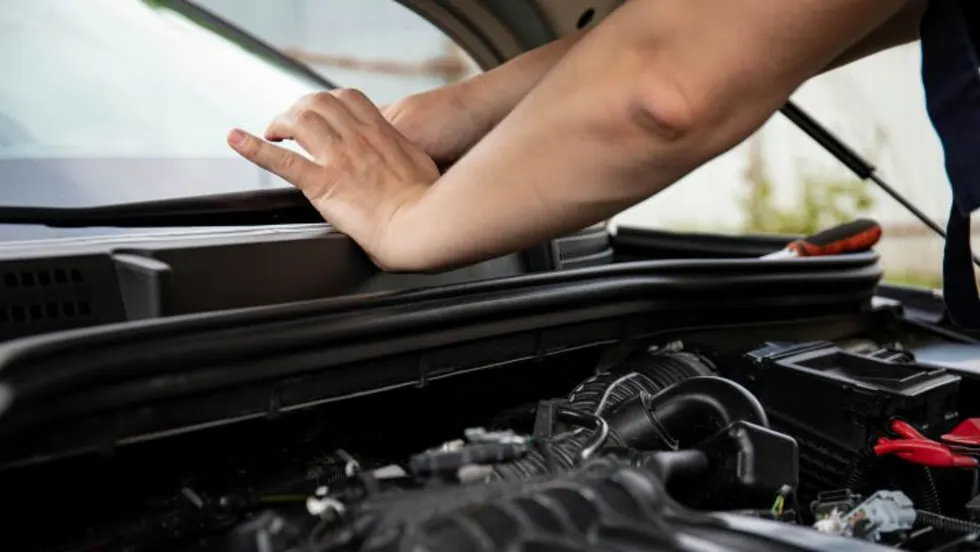
From Inspection to Impact
Data, video and artificial intelligence are driving service performance today, when inspection performance is closely tied to key business outcomes.
Read More →
Car Karaoke Gets Official Platform
The in-vehicle karaoke and sing-along platform by Samsung arm is meant to add traveling enjoyment safely in technology that automakers can tailor to their specific needs.
Read More →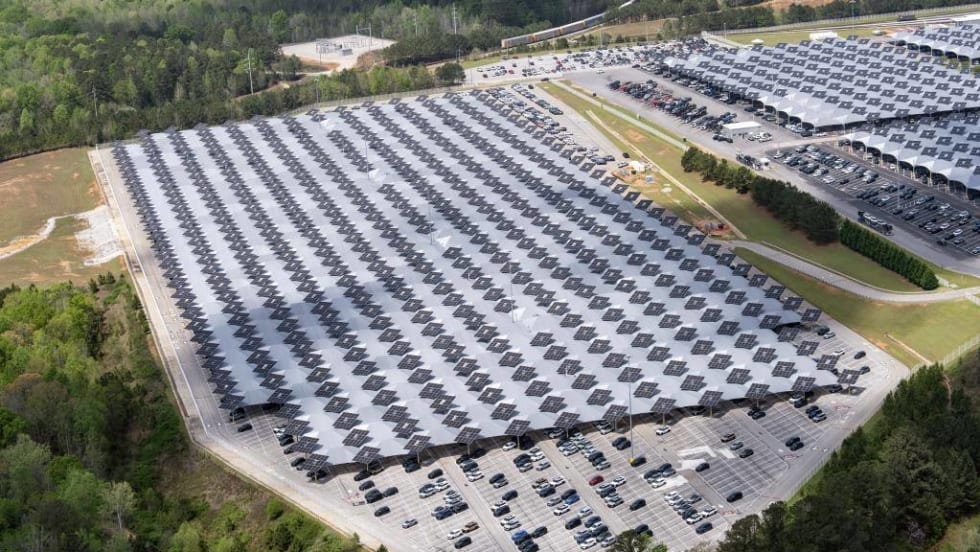
Kia Embraces Clean Energy
A Kia Georgia partnership combines weather protection and renewable energy in a new solar canopy system at Kia’s West Point facility.
Read More →
Honda-Sony Venture Dismantled
For nearly four years, the companies had worked toward the launch of the electric-vehicle brand’s first two models, but the shifting EV market scuttled the plans.
Read More →