



ATLANTA — According to data from the Q3 2018 Cox Automotive Dealer Sentiment Index, U.S. automobile dealers are more positive than negative in describing the current market in the third quarter but are fearful that proposed auto tariffs could hurt profitability. The results are based on a poll of 1,276 dealer respondents conducted from July 31 to August 18. Only 11% of dealers believe auto tariffs on imported vehicles and parts would have a positive impact on their business, while 38% anticipate a negative impact. Fifty-one percent of dealers believe tariffs would have no impact. Franchised auto dealers are more pessimistic, with 56% suggesting new auto tariffs would impact their business negatively. Of the franchised dealers who feel negatively toward tariffs, 66% believe consumers will face higher prices on all new vehicles, not solely imports, as the market adjusts. “Dealers continue to report strong market conditions in the third quarter, with few material changes in key performance indicators from the spring, when we reported record-high sentiment,” said Cox Automotive Chief Economist Jonathan Smoke. “While they are positive on today’s business, the new looming threat is the negative impact of proposed tariffs on imported autos and parts. And, for the first time, dealers indicate that limited inventory is the No. 1 obstacle holding back business.” Derived from a survey Cox Automotive issues to a representative sample of franchised and independent auto dealers, the CADSI measures U.S. dealer perceptions of current retail auto sales and sales expectations for the next three months as “strong,” “average,” or “weak.” The quarterly survey also asks dealers to rate new-car sales and used-car sales separately, with a variety of key drivers including consumer traffic and inventory levels. Responses are used to calculate an index where any number over 50 indicates that more dealers view conditions as strong rather than weak. In the Q3 2018 survey, Cox Automotive also explored dealer expectations on the impact of proposed auto import tariffs on business profitability.
More Industry

Automakers Have More Tricks Up Their Sleeves
JD Power analysts see auto retail faring this year’s storms well through various means, though it acknowledges conditions are challenging to accurately predict.
Read More →
Insurance Rates Continue to Fall
Car insurance premiums have continued to decline so far this year, the overall national average settling at $138 per month in March, according to Insurify data.
Read More →
Black Book: Weekly Market Update
Last week's wholesale auction activity was stable, though buyers exercised selectivity as they focused on certain segments.
Read More →
Dealer Debrief: Safety, Supply & Partnership
In this week's Dealer Debrief, host Lauren Lawrence covers a new safety assessment, current inventory issues, and a new payables process for dealerships.
Read More →
Black Book: Weekly Market Update
Both conversions and values were up last week, though business was spotty depending on the segment in question.
Read More →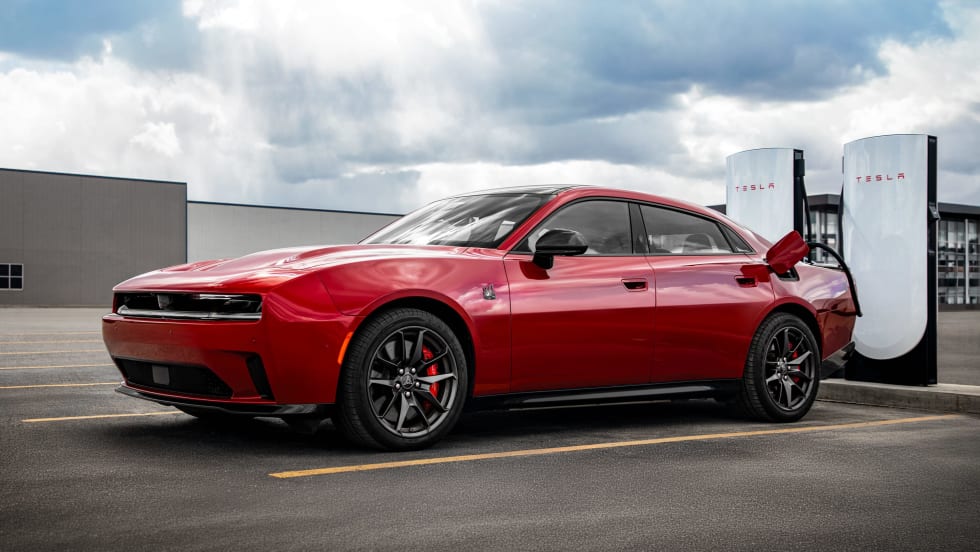
Stellantis Expands Charging Network
Five of its brands now have greater access to battery-electric vehicle charging through Tesla’s Supercharger network across North America.
Read More →
Safety Drives Insurance Rates
Sixteen out of the 20 cheapest vehicles to insure in 2026 are SUVs, according to CarInsurance.com, largely because of their safety features and lower repair costs.
Read More →
New-Vehicle Shoppers Get Some Relief
Overall conditions in February tipped slightly in consumers’ favor as prices stayed high, granting a reprieve of sorts just before the war on Iran commenced and started to reverse the welcome trend.
Read More →
Used Market Gains Speed
New-vehicle sales fell year-over-year for the fifth month in a row in February, making retail deliveries the slowest they’ve been since 2023, according to a CarGurus report.
Read More →
Auto Loan Defaults Measured Amid Inflation
According to LendingTree data, the average monthly auto loan payment was $540 in the fourth quarter, and the average credit score for those with a recorded default was 529.
Read More →