


Auto Loan Amounts Trend Downward
Average for new and used vehicles decreased in the third quarter.


Monthly payments are remaining relatively stable despite rising interest rates.
IMAGE: Pexels
New data shows the average loan amount for new and used vehicles decreased in the third quarter according to Experian.
According to its State of the Automotive Finance Market Report, the average new vehicle loan amount was $40,184, down from $41,543 year-over-year. By comparison, between the third quarters of 2021 and 2022, the average new-vehicle loan amount increased $3,698. On the used-vehicle side, the average loan amount was $27,167, down $1,517 year-over-year.
Along with decreases in average loan amount, the average monthly payment for new- and used-vehicle loans had only modest increases, Experian said. The average for a new vehicle rose by just $25 year-over-year to $726, while the average for a used vehicle increased by only $4 to $533.
The average interest rate for a new vehicle was 7.03%, and the average interest rate for a used vehicle was 11.35%.
“While we’ve seen the average loan amount for new and used vehicles rise over the better part of the last three years, it’s a welcome sight to see average vehicle loan amounts decrease,” Melinda Zabritski, head of Experian’s Automotive Financial Insights, said in a press release. “Once you factor in monthly payments remaining relatively stable despite rising interest rates, the industry seems to be heading in a positive direction, especially with consumers having more options available to them during the financing process.”
The report also revealed that shoppers financing a new vehicle opted for shorter loan terms. For example, 13.40% of new-vehicle loans had terms in the 1- to 48-month category, up from 9.99% the previous year. Similarly, new-vehicle loans with 49- to 60-month terms reached 17.16%, up from 16.50% year-over-year, and new-vehicle loans with 61- to 72-month terms reached 38.65%, up from 36.67%.
Meanwhile, new-vehicle loans with 73- to 84-month terms decreased from 35.11% to 29.15%. Experian attributed that finding to new-vehicle shoppers securing lower interest rates. The report noted that loans up to 48 months offered an average interest rate of 4.03% in the third quarter, while the average rate for 49- to 60-months was 5.67%, followed by 61- to 72-months at 7.24%, 73- to 84-months at 8.80%, and 85-plus at 8.81%.
“With interest rates remaining at elevated levels, it’s not unexpected to see consumers lean towards shorter terms considering the lower interest rates offered, particularly for new vehicles,” Zabritski said. “With most vehicle shoppers keeping monthly payments top of mind, it’s important for lenders to help consumers identify vehicle financing options that are within their budgets.”
Originally posted on Auto Dealer Today
More Industry

EV Sales Making Post-Tax Credit Comeback
Both new and used sales are up from last October, when the demand-boosting credit ended, though used units are seeing the greatest gains.
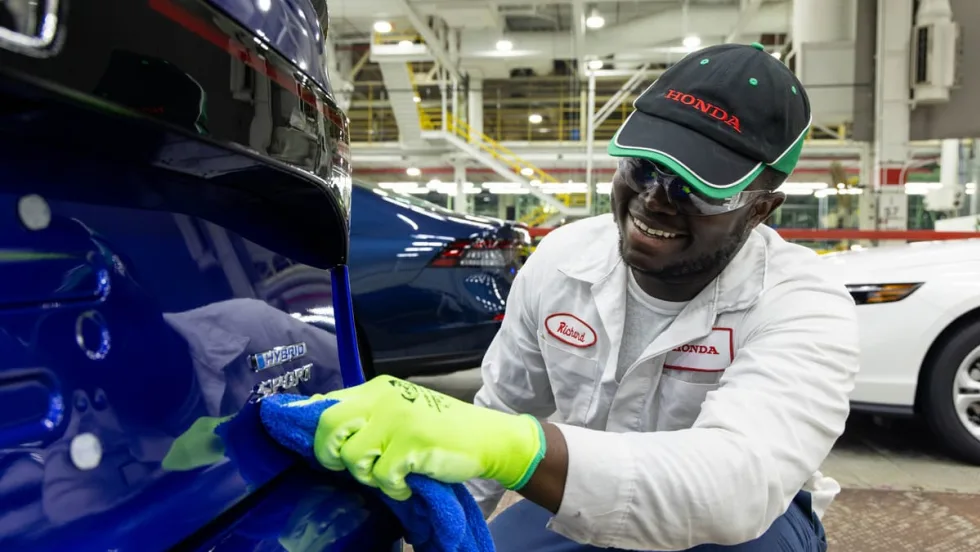
Honda Embraces Hybrid Fever
The automaker plans a new Ohio factory, along with investments in existing U.S. and Canadian plants, to significantly boost hybrid production here.

Dealerships Must Show Up Where It Matters
How car buyers find your dealership has fundamentally changed. New evidence reveals the importance of your presence on social media, Google search, and large language models.

CPO Sales Could Take Off in the Right Conditions
A recent Cox Automotive consumer survey reveals the size of an undertapped market for the vehicle segment given affordability pressures.

Global Consumer Trends Diverge
Price remains a top consideration for U.S. car buyers, and they are the most brand-loyal consumers to established automakers, according to a new survey.
Badger State Dealership Gets New Owner
The longtime southern Wisconsin store moved from one area auto group to another, keeping the business in Dairyland.

The Cycle of Negative Equity
Third-quarter data shows consumers still rolling over debt and stretching loan terms, raising their risk of remaining underwater.
Charger Network Growth Slows
Despite a projected increase in public EV chargers in 2026, charging infrastructure remains a top concern for consumers as the gap between the most and least EV-friendly places remains substantial.

Lenders, Consumers Take on More Auto Loan Risk
September records loosened credit access the most in over a decade as buyers took advantage of the conditions to afford trading, though loan applications fell.

Next-Gen Hybrids in Sight
Dealerships can expect to see revamped hybrids from Honda next year as the company rolls out a new system and model lineup.