


Many Young Children Unrestrained on the Road
AAA data analysis also finds improper safety seating fittings, urges caregivers to practice correct methods.


Child traffic fatalities show 37% of children 7 to 11 who died in car crashes were riding with no restraints at all, and 26% of those 3 and younger were unrestrained.
Pexels/Cottonbro Studio
The use of car seats and boosters for children has fallen, according to new research released before National Child Passenger Safety Week.
The AAA study of federal crash data uncovered the practice of letting children ride without the safety seating starting at age 3.
“This is alarming, given that more than 100,000 children were injured in car crashes in 2022 alone,” the motor club federation said in a press release on the findings.
It cited National Highway Traffic Safety Administration statistics on child traffic fatalities that show 37% of children 7 to 11 who died in car crashes were riding with no restraints at all. Twenty-six percent of those 3 and younger were unrestrained.
AAA is teaming with the National Safety Council the week of Sept. 15 to promote use of child seats and boosters.
The group said that based on the National Digital Car Seat Check Form database, 74% of child car seats inspected last year weren’t properly installed or used. In the four years ending in 2022, it said more than four million children 11 and younger were in vehicle collisions that resulted in almost 3,000 fatalities.
AAA pointed to U.S. transportation department data that show child restraints reduce fatalities by 71% for children younger than 1 and by 54% for those 1 to 4. It said the three most common restraint misfittings are car seats installed too loosely; failure to use the tether for a forward-facing car seat; and loosely securing car seat harnesses.
“Just like new shoes and clothes, a growing child requires seat adjustments,” said AAA Traffic Safety and Advocacy Manager Rhonda Shah.
More Industry
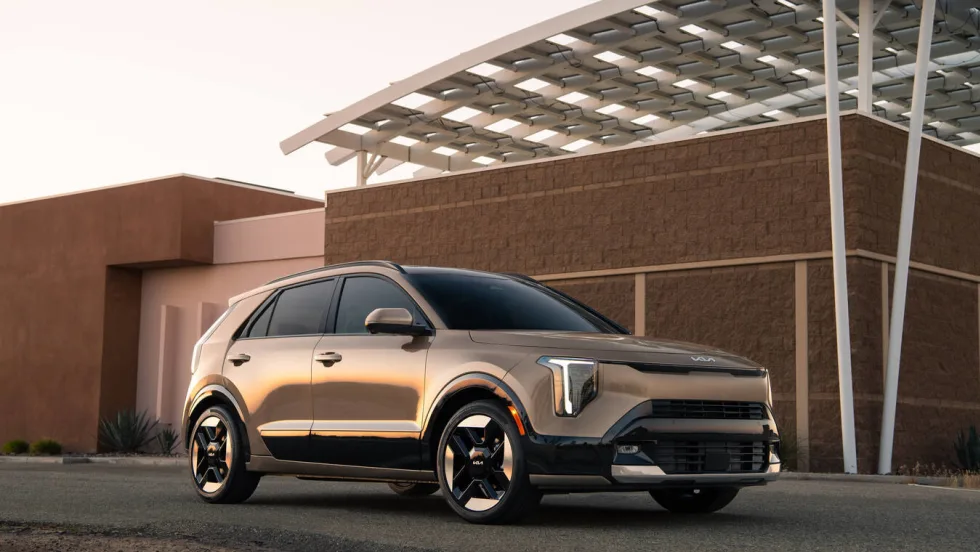
Kia Closes Out Summer With a Bang
Its U.S. subsidiary broke multiple records in August, in part due to a surge of demand for hybrids models.
Read More →
Indiana Dealership Changes Hands
A 30-year-old Ford dealership in Indiana has a new owner and will soon be undergoing renovations to meet manufacturer requirements.
Read More →
Texas Dealership No Longer in the Family
The Ford store, a longtime cornerstone of the Houston market, is now part of one of the fastest-growing U.S. auto groups.
Read More →
Genesis Grows California Presence
The Cardinale Automotive Group opened its third Genesis rooftop in the Golden State, Genesis of San Bruno, a stand-alone dealership serving the San Francisco Bay Area.
Read More →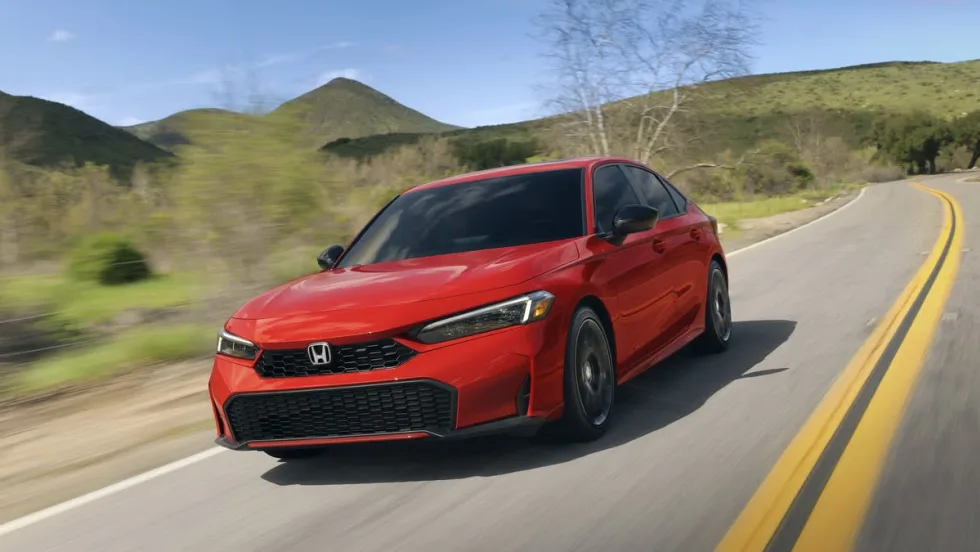
August Auto Sales a Mixed Bag
An early forecast shows strong business despite consumer hurdles, and hybrids are a big piece of their affordability coping strategy.
Read More →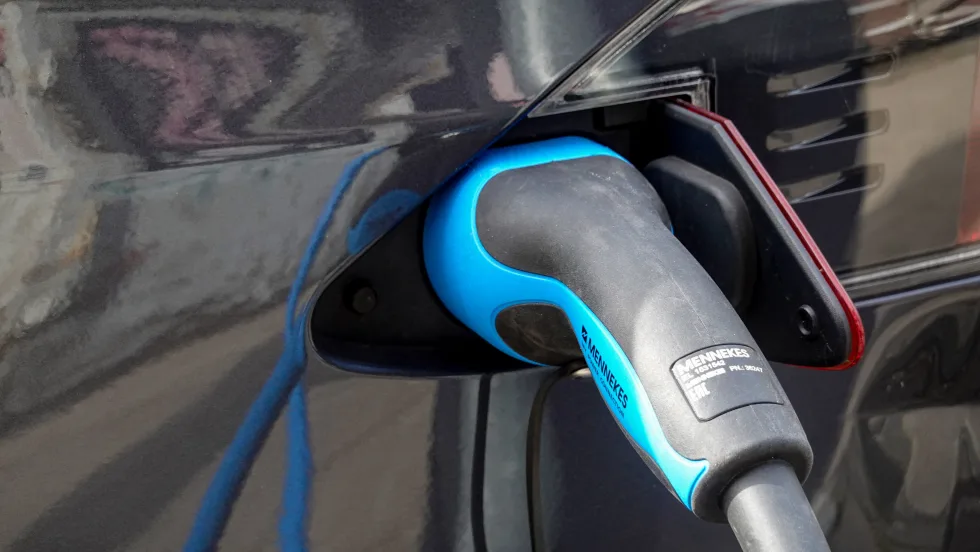
EV Market Humming Along
July sales show steady growth as the segment stabilizes from last year’s artificial surge following pullback of federal support.
Read More →
Auto Loan Delinquency Rates Stabilize
Auto loans are a main driver of nonmortgage consumer debt, but delinquency rates stabilized in the second quarter across all credit risk tiers.
Read More →
EV Sales Recover in Q2
The EV sales roller coaster continues as numbers show improvement, but industry experts predict a year-over-year third-quarter decline and fourth-quarter jump.
Read More →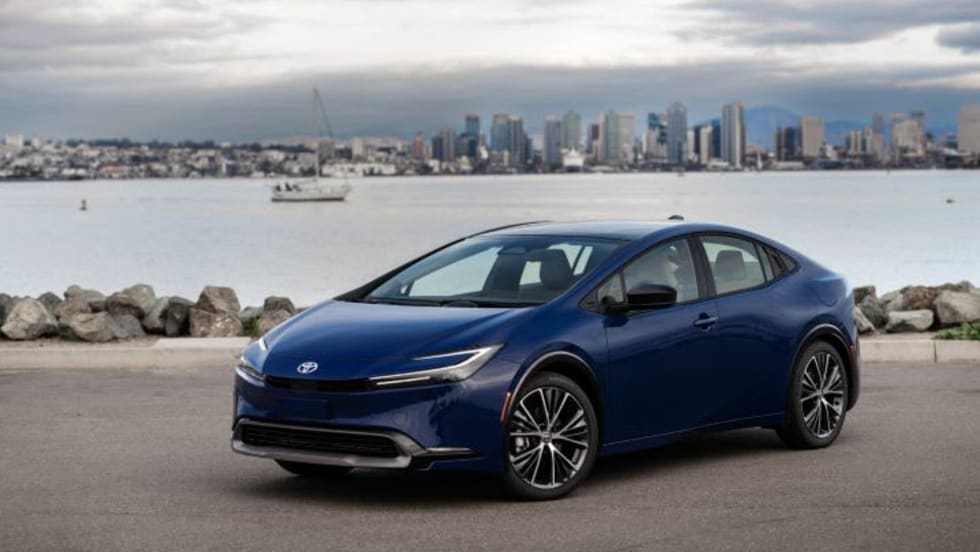
The Cheapest Hybrids to Fuel
The powertrain is increasing in popularity, in no small part due to its fuel economy. A new report lists the most efficient hybrids on the market.
Read More →
Hybrids and SUVs Gaining Ground
The most recent Kelley Blue Book Brand Watch found that only two nonluxury brands increased in shopper consideration, buoyed by their hybrid and SUV offerings.
Read More →