


American Auto Guardian Inc. (AAGI)

Kristen Gruber, VP, Product Development
Can you give me a bit of your company history? How did you become involved in the Excess Wear & Tear category?
AAGI was the first TPA to introduce an Excess Wear & Tear (EWT) product back in 1997. We wanted a product designed for lease customers, and there wasn’t much to offer at the time. The product was a natural fit because most customers are familiar with the excess wear and tear provision in their lease agreement, and they understand their accountability for damages at lease end. Customer satisfaction at lease termination is key to brand loyalty and Excess Wear & Tear is a great way to improve CSI and increase retention.
What makes your product different from others on the market? How do you differentiate it?
AAGI has been committed to the EWT product. Other TPA’s have come and gone for various reasons, but we have stayed the course, riding the ups and downs of market volatility that drove most lessors out of the business in 2008 & 2009. Now that leasing is back, we are well positioned to earn the trust of our customers, who know that we’ll still be here for the next lease cycle. The EWT product is well‐suited for differentiation based on manufacturer differences in their lease product, how they handle inspections and how they assess EWT damage. We are constantly re‐evaluating our product in light of these factors as well as our own historical loss experience. Over the years we have introduced product variations to take advantage of market niches, such as manufacturer specific coverage forms to address unique funding requirements, optional coverage for manufacturer certified lease programs, LHPH programs and subprime leasing. One of our strengths is that we will work with our clients to customize coverage based on individual needs. And finally, we only partner with “A” rated insurers who can absorb the potential exposure of this volatile product. We know what it takes to underwrite this exposure for the long haul and we work hard to create partnerships that will last.
What is your primary sales channel? How do you market to that channel?
Our primary sales channel is our independent agent relationships. We also act as the administrator for several OEM EWT programs, and we offer private labeled products for large volume accounts.
How has technology impacted Excess Wear & Tear in the last year, if at all? Do you see it having an impact in the future? Why or why not?
Technology has affected all aspects of the EWT product, from flexible online lease origination systems, to remarketing and the inspection process. Remarketers are selling more cars via online channels and are improving their speed to market. At the same time, technology is allowing remarketers to communicate more effectively with their dealers and customers about the lease end process. All of these changes are good for the leasing industry and EWT in general. AAGI’s goal is to leverage our own technology to meet the changing needs of our partners while at the same time, improving the efficiency of our administration and the security of our customer data.
In your opinion, where is the greatest growth potential for the Excess Wear & Tear category?
There is still significant growth potential for EWT as leasing continues to become more important to automakers’ and dealers’ sales strategies. Additional growth will come from expanding our agent and OEM base as well as developing additional product niches.
More Product & Technology
Set Yourself Apart
Product providers can follow the lead of industry cohorts in the practice of leveraging their brands through private labeling, pumping new energy into their platforms to stand out from competitors.
Read More →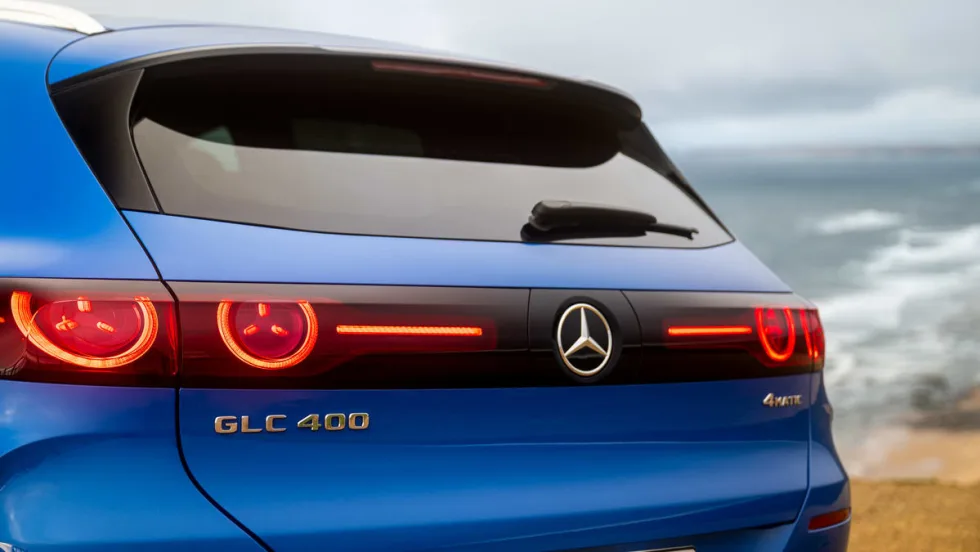
EVs Excel at Longevity
Research finds that after a certain mileage point, they outlast gas and diesel vehicles despite being driven more.
Read More →
Integrating AI Into Your Admin System
It’s important for finance-and insurance administrators to build the technology into their existing systems instead of bolting it on.
Read More →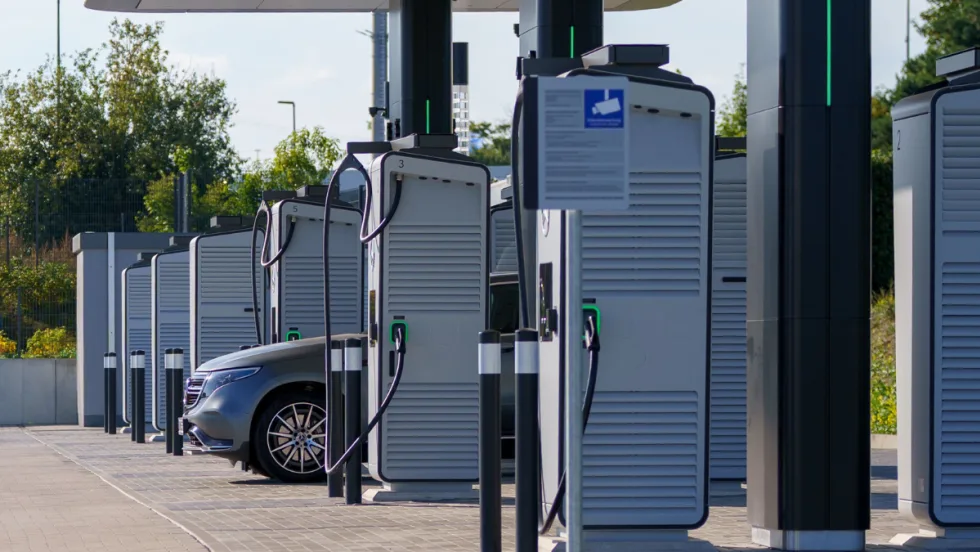
Public EV Charging Improves
The infrastructure buildout in the U.S. is providing more availability and safety at a better cost, according to the latest EV experience study by JD Power.
Read More →
AI in the Dealership
A Cox Automotive poll shows most dealers use it, but only some have found the smartest ways to adapt the surging technological sensation.
Read More →
AAA Honors Service and Repair Facilities
Three automotive dealerships made AAA's Service Providers of Excellence and Best in Repair list this year.
Read More →
EFG Launches Product Admin Platform
The company says the offering is designed to empower administrators, service contract providers, and product marketers to expand automotive and power-sports capabilities.
Read More →
Optimized Charging Could Reduce Costs
According to an Alliance for Automotive Innovation analysis, optimized EV charging could cut costs for drivers and improve grid infrastructure - potential adoption incentives.
Read More →
From Inspection to Impact
Data, video and artificial intelligence are driving service performance today, when inspection performance is closely tied to key business outcomes.
Read More →
Car Karaoke Gets Official Platform
The in-vehicle karaoke and sing-along platform by Samsung arm is meant to add traveling enjoyment safely in technology that automakers can tailor to their specific needs.
Read More →