


Fewer New Cars Won’t Break F&I
A decline in new-car volume was inevitable after several years of soaring sales. But market changes create new opportunities as well as challenges, and dealers and agents will look to F&I product providers for guidance.
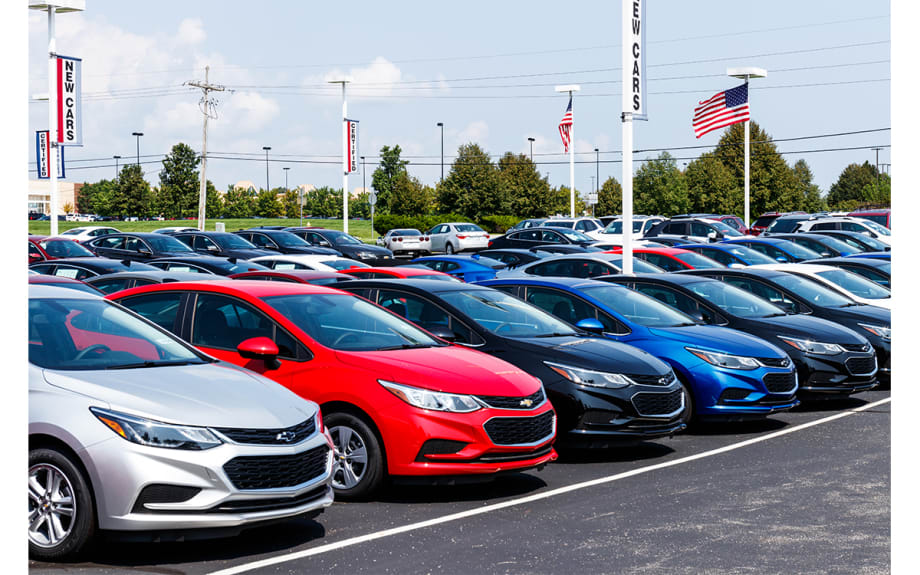
A decline in new-car volume was inevitable after several years of soaring sales. But market changes create new opportunities as well as challenges, and dealers and agents will look to F&I product providers for guidance.
Photo via iStock
U.S. auto sales are off to a lower than expected start in 2019. There are probably a lot of influences, such as smaller tax returns, rising interest rates, higher car prices, a short sales month, and bad weather, to name a few.
Regardless, we have to ask ourselves whether these numbers represent a pattern that is cyclical or structural in nature. I think most of us read the tea leaves and conclude the latter. The very definition of mobility is changing and, although still early, we are seeing challenges to the traditional vehicle ownership model by the likes of ride-hailing, car-sharing, subscription, and peer-to-peer models.
All of this adds up to the fact that new-car sales likely peaked in 2015 and 2016. If we can’t count on the rising tide of new-car sales to lift all boats, it’s going to get tougher for dealers to maintain current profit margins without making a few changes. With all these headwinds, where should the F&I industry turn its focus? Here are four areas to consider:
1. Focus on Used.
New-car sales are falling, but used-car sales are at an all-time high. Dealers sold 29.5 million used cars in 2018 compared to 17.3 million new cars sold in 2017. We’re now seeing used-car service contract attachment rates above 40%, as the average age of vehicles increases along with the length of vehicle ownership. This is the time to make hay with F&I products designed for used cars, especially high-mileage programs. Higher-quality vehicles make this an even more attractive segment for dealer profit participation.
2. Transform Pain Points.
The dealers who sell your products are taking a critical look at the F&I sales process and trying to transform anything that is not enjoyable for the customer. Studies show that most people who buy a car dislike the entire car-buying process, including time spent in the F&I office. Disruptors to the industry are exploiting the current pain points by delivering a shorter, easier, and more transparent sales process to customers, which often begins online.
Similar to how online visibility of vehicle costs and values impacted new and used retail pricing of cars, online visibility into F&I products will require transparency and consistency of F&I product pricing. This has the potential for an improved customer experience and increased attachment rates, resulting in higher net income overall for the F&I department.
We live in a time when vehicle repair costs are outpacing wage growth. Many people don’t have enough in emergency savings to cover expected maintenance and repair costs. F&I products fill this important need, resulting in higher customer satisfaction during the lifetime of vehicle ownership.
3. Capitalize on Second-Chance Sales or ‘Missed Opportunities.’
According to NADA, the VSC attachment rate on new-car sales is about 47%. That means 53% of vehicle buyers, or 9.2 million people in 2018, did not buy a VSC at point of vehicle sale. Those customers represent a tremendous opportunity for service drive and direct marketing programs that can monetize a dealer’s data.
4. Make Retention Products a Priority.
Loyalty products that are designed to keep customers coming back into the dealership, such as prepaid maintenance and limited warranties, take a long-term view of customer retention and provide reinsurance opportunities in the short term. Complimentary programs offered at no cost to customers have demonstrated success in differentiating dealerships, providing upsell opportunities, and bringing customers back for their next car-buying experience.
During the Great Recession, we saw that attachment rates of F&I products initially dropped in 2009 but immediately rebounded and grew faster than the rate of new-car sales for several years, steadily increasing ever since. As recently as 2018, new-car sales were only up 1%. But by most reports, F&I sales grew by more than 10%, demonstrating that the two curves don’t necessarily move in tandem.
The bottom line is that lower new-car sales don’t have to mean bad news for F&I. We have a great story to tell and valuable protection products. When consistently presented to every customer in a transparent and simple way, profits will surely follow.
KRISTEN GRUBER IS PRESIDENT OF DEALERS ASSURANCE CO. AND A 25-YEAR INSURANCE INDUSTRY VETERAN.
More Industry

The Powertrain Shift
Electric-vehicle owners are backpedaling, according to new data, with product availability driving many to shift back to gas-powered engines.
Read More →
Achromatic Autos
The shades that dominate the U.S. car market don’t call attention to themselves, though grayscale may have plateaued after a 30-year upswing, research shows.
Read More →
Used-Vehicle Affordability Worsens
Listing prices in August defied seasonal trends, rising above $27,000 for the second time this year.
Read More →
First-Half Dealership Deals Up
Buy-sell activity shows that acquirers are looking for value and scale as many retailers seek to leave an increasingly competitive and complex market, Kerrigan Advisors reports.
Read More →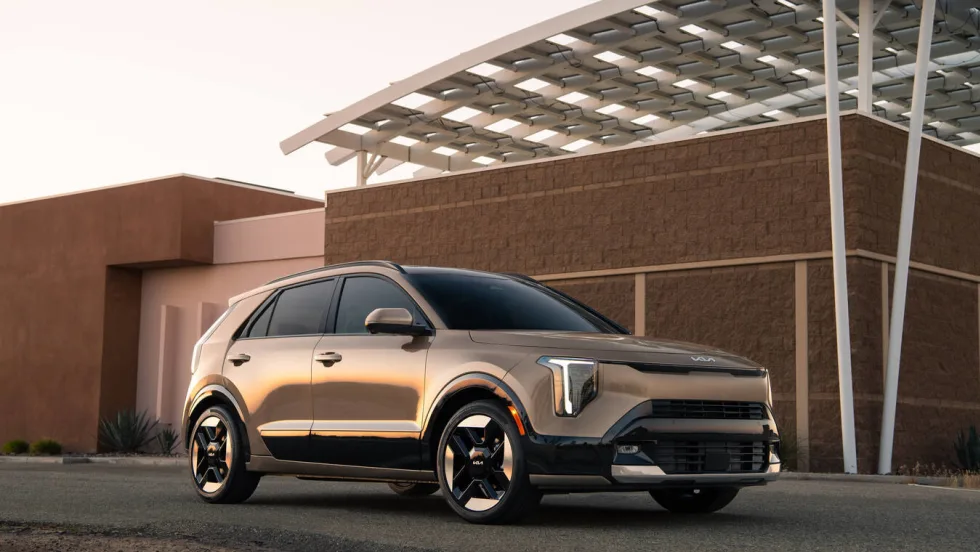
Kia Closes Out Summer With a Bang
Its U.S. subsidiary broke multiple records in August, in part due to a surge of demand for hybrids models.
Read More →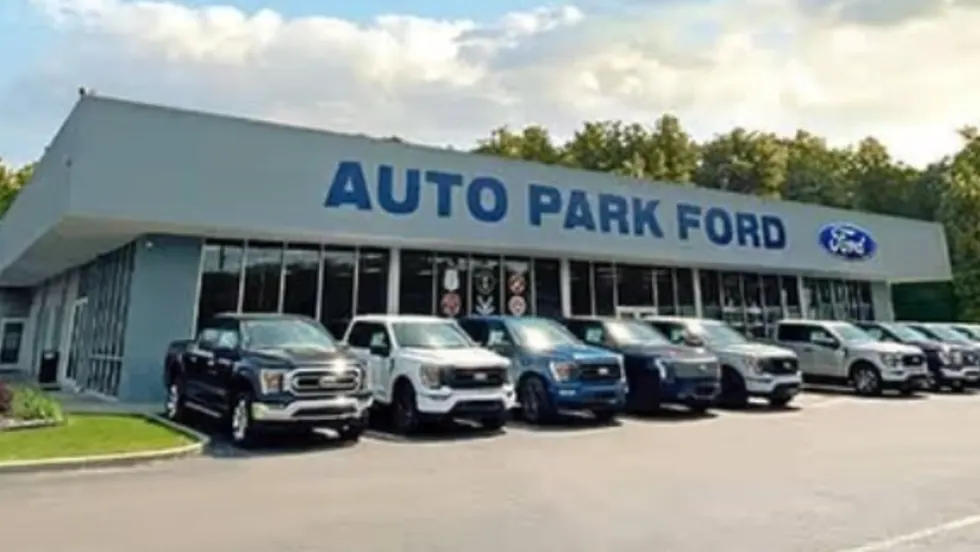
Indiana Dealership Changes Hands
A 30-year-old Ford dealership in Indiana has a new owner and will soon be undergoing renovations to meet manufacturer requirements.
Read More →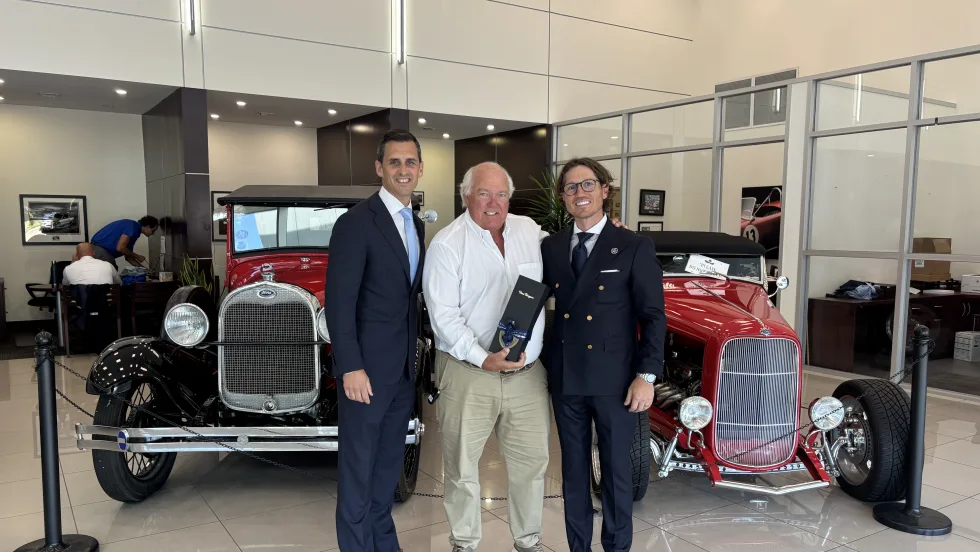
Texas Dealership No Longer in the Family
The Ford store, a longtime cornerstone of the Houston market, is now part of one of the fastest-growing U.S. auto groups.
Read More →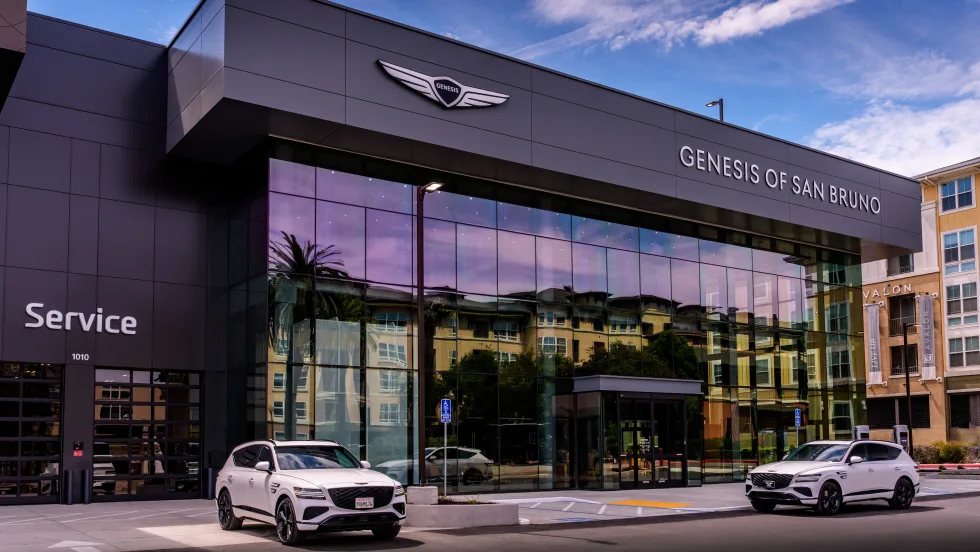
Genesis Grows California Presence
The Cardinale Automotive Group opened its third Genesis rooftop in the Golden State, Genesis of San Bruno, a stand-alone dealership serving the San Francisco Bay Area.
Read More →
August Auto Sales a Mixed Bag
An early forecast shows strong business despite consumer hurdles, and hybrids are a big piece of their affordability coping strategy.
Read More →
EV Market Humming Along
July sales show steady growth as the segment stabilizes from last year’s artificial surge following pullback of federal support.
Read More →