


Is it Time for the Great Return?
It’s projected that the future workplace will see a hybrid of remote and in-office employment, as well as opportunities for remote flexibility.

It’s projected that the future workplace will see a hybrid of remote and in-office employment, as well as opportunities for remote flexibility.
IMAGE: Getty Images
We are seeing the lasting effects of the pandemic on our workforce and society at large. Within the post-sale vehicle service contract business, we benefited from increased sales, however, we were challenged with instantaneously shifting our business model from a staff that operated within the confines of our offices to the work-from-home model.
Managing Remote Work and Customer Service
Like most other companies, we had to quickly adapt to the changes to get business done. Concerns included having the right technology and people to make the paradigm shift, and fortunately ours, and most automotive businesses did not struggle greatly to adapt.
Working from home became a staple during the pandemic during the time it took to establish vaccines and treatments. We are in the process of learning to live with the virus and its variants, but a big chunk of the labor force continues to remain remote. As an employer how will you manage customer service expectations and employee sentiment?
Remote and Hybrid Work Normalization
Statistically, 90% of full-time remote workers feel they are more productive or as productive working remotely versus in-office. A remarkable 84% of workers said working remote post-pandemic would make them happier. It’s projected that 25% of all professional jobs in the U.S. will be remote by the end of 2022. Further, 82% of workers feel empowered to hold their company leaders accountable for a better workplace.
It’s likely within your organization that there are employees who have opted to stay remote or would stay remote if it was made available to them. Given the low levels of unemployment, you may need to adapt to a remote or hybrid work environment to keep and attract good talent.
It's a Balancing Act
We need to consider the expectations of our employees, how can we safely get and keep employees back to the office, and what the market conditions are for employee retention. Workers have become accustomed to being remote, and as their employer, you have a challenge when they don’t want to come back.
Certain positions lend themselves to remote opportunities more than others. It’s critical to understand who can work remotely and who can’t, and who does and doesn’t want to. There are jobs that require collaboration or creativity, and these roles can potentially suffer being remote versus live. We found that launching new projects and completing sales were more effectively done with staff in the office with small groups rather than remote video calls.
Within our company, we found that shortly after the shelter in place ended, all of our managers came back to the office. But how do you bring back the whole of remote workers? Market conditions will cause some employees to go work remote somewhere else if you don’t give them a choice.
You may choose to make the ability to work remote a performance-based proposition. If their performance remains high, or even excels in-office standards, then working remotely may be a great solution for those employees. If someone’s performance has degraded from working remote, bring them back to the office. If they decide to leave, then the reality is that may be the best thing for that employee. If the employee decides to come back to the office because their performance is down, welcome them back and continue to invest in them.
Another aspect of the balancing act is career development. Lack of visibility could hinder a person’s upward mobility in an organization.
Return to Work Resistance
Employees not wanting to return to a physical office space is a legitimate business issue that we are contending with. To manage customer service representatives accordingly you need performance standards (if you don’t already have them) in place. You can require your employees to maintain certain Customer Satisfaction Index (CSI) scores to stay remote. It may even inspire them to get those five-star reviews.
Tie everything back to the best customer/user experience. If remote workers are not as effective from home, set baselines and use tools to improve their customer service skills. Leverage things to your advantage and inspire your teams to be better. Those who work from home can be more consistent, work more hours, and get more done as evidenced by recent studies.
Customers Have Changed, Too
The customer has changed, as well. Many of them are accustomed to being remote and dealing with professionals who are remote. Setting your customer service representatives up for a work-from-home environment will make all the difference between achieving success and failure. They need to be able to provide the full-service customer experience regardless of location. They need the right technology, and they need to be able to meet the customers communication needs.
Today’s customers have become reliant on their mobile phones as a multi-variant communication device. The ability to talk, text, email, and use a camera are basics for many customers. Customer service needs to lend itself to those basic tenets. Make these utilities that your employee can use to communicate with and service customers.
It’s projected that the future workplace will see a hybrid of remote and in-office employment, and opportunities for remote flexibility. The main objective in any case is to provide exceptional customer service. Focus on strengthening your culture. Keep everyone connected, keep remote team members engaged, provide the right tools, and keep all your employees safe and your customers happy.
Kyle McEvoy is the co-founder and president of APC.
More Industry

The Powertrain Shift
Electric-vehicle owners are backpedaling, according to new data, with product availability driving many to shift back to gas-powered engines.
Read More →
Achromatic Autos
The shades that dominate the U.S. car market don’t call attention to themselves, though grayscale may have plateaued after a 30-year upswing, research shows.
Read More →
Used-Vehicle Affordability Worsens
Listing prices in August defied seasonal trends, rising above $27,000 for the second time this year.
Read More →
First-Half Dealership Deals Up
Buy-sell activity shows that acquirers are looking for value and scale as many retailers seek to leave an increasingly competitive and complex market, Kerrigan Advisors reports.
Read More →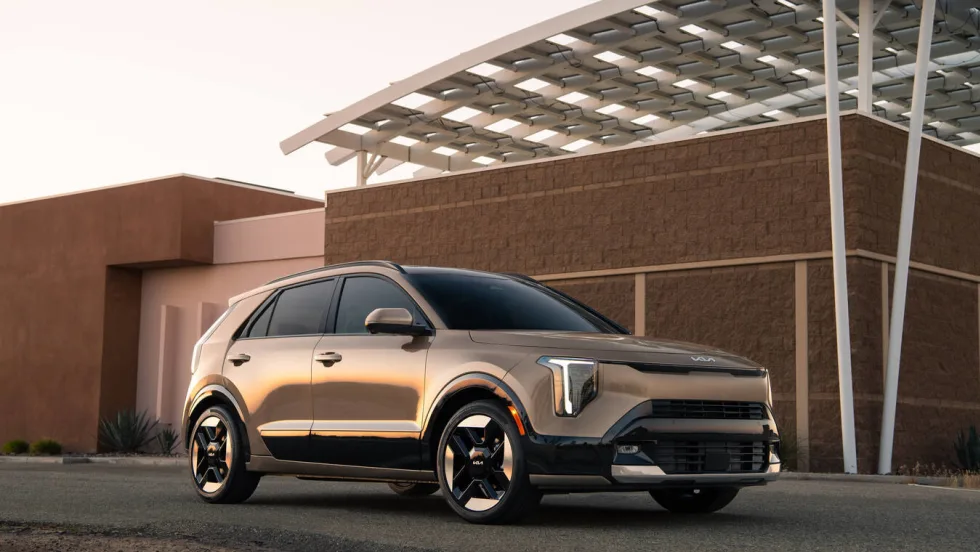
Kia Closes Out Summer With a Bang
Its U.S. subsidiary broke multiple records in August, in part due to a surge of demand for hybrids models.
Read More →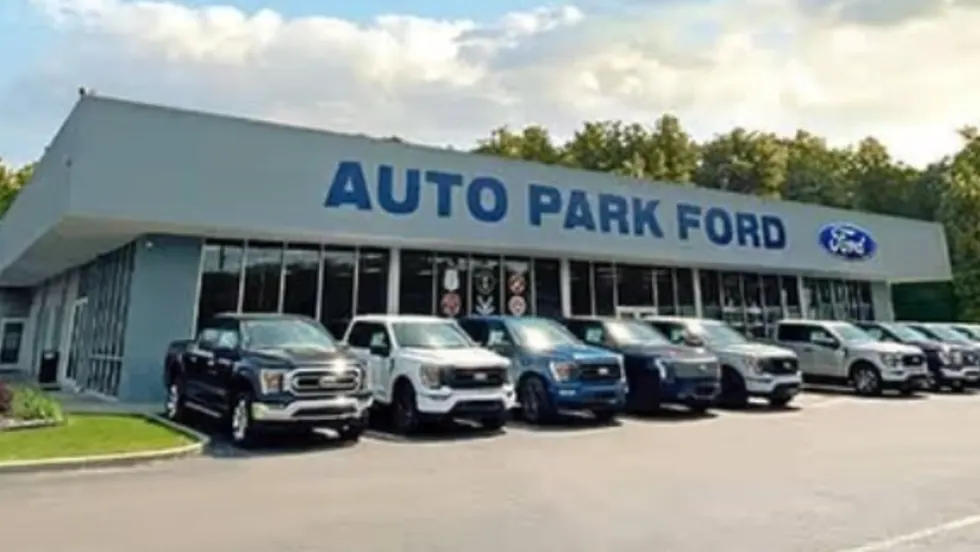
Indiana Dealership Changes Hands
A 30-year-old Ford dealership in Indiana has a new owner and will soon be undergoing renovations to meet manufacturer requirements.
Read More →
Texas Dealership No Longer in the Family
The Ford store, a longtime cornerstone of the Houston market, is now part of one of the fastest-growing U.S. auto groups.
Read More →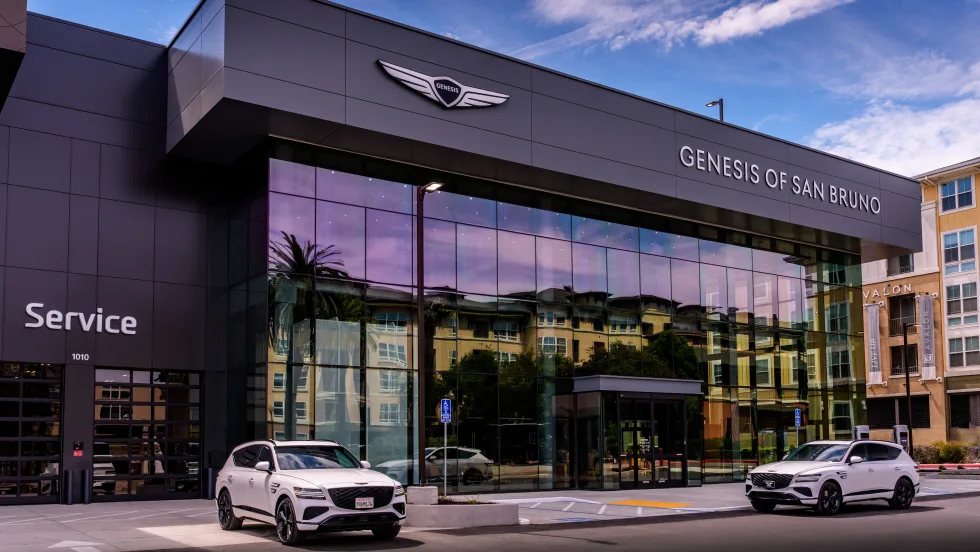
Genesis Grows California Presence
The Cardinale Automotive Group opened its third Genesis rooftop in the Golden State, Genesis of San Bruno, a stand-alone dealership serving the San Francisco Bay Area.
Read More →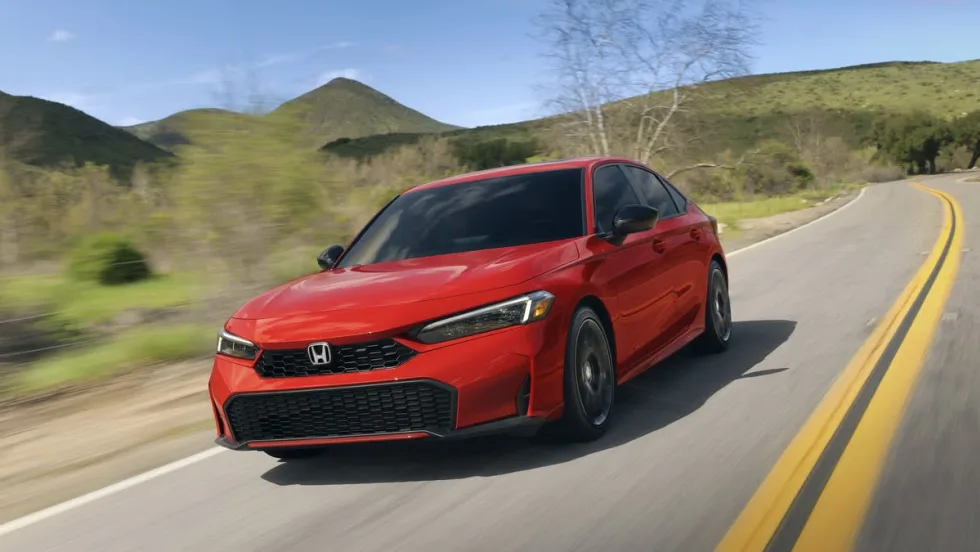
August Auto Sales a Mixed Bag
An early forecast shows strong business despite consumer hurdles, and hybrids are a big piece of their affordability coping strategy.
Read More →
EV Market Humming Along
July sales show steady growth as the segment stabilizes from last year’s artificial surge following pullback of federal support.
Read More →