


Mastering Timing and Messaging in Dealership Marketing
Targeting customers around vehicle service contracts can make for a more effective approach.

A strategy centered on vehicle service contracts allows dealerships to generate revenue in both the service and sales departments.
Pexels/Nataliya Vaitkevich
For decades, dealerships have faced the ongoing challenge of deciphering the effectiveness of their marketing strategies. Monthly meetings with ad agencies often revolve around discussions about what tactics to try next and how successful past campaigns have been. Yet, concrete results proving the direct impact of these marketing efforts on sales are elusive. Questions abound: Are traditional cable and radio commercials more effective than pay-per-click ads and search engine-optimization strategies? Do direct mail campaigns drive more visits than email marketing? Are the right prospects being targeted, and is the marketing budget being utilized effectively?
These unanswered questions reflect a broader issue within dealership marketing—a sense of uncertainty and a lack of clarity about the next steps. According to the National Automobile Dealers Association’s 2023 Full Year Report, dealers collectively spent $8.9 billion on advertising, translating to an average of $708 in ad spend for each new vehicle sold. This significant investment underscores the importance of understanding which marketing efforts truly work and which ones might be wasting valuable resources.
Let’s-See-If-It-Sticks Strategy
A common approach observed in many dealerships is a "see what sticks" strategy, by which the bulk of advertising dollars is spent without precision targeting. For instance, dealerships often rely on OEM templates for direct-mail campaigns that are supposedly targeted at specific customers. However, the same vehicle identification numbers may be directed to multiple stores, each store being charged for mailing and emailing the same customer. This leads to a situation in which dealerships are competing against each other within their own manufacturer brand pool. Furthermore, the creative content of these marketing pieces is often too broad, offering upgrades or trade-ins to customers who may not be in the market for a new vehicle. This approach highlights a significant gap in effectively targeting and sending the right marketing messages to service drive customers.
What is the Effectiveness of Your Strategy?
Similarly, digital marketing efforts frequently yield inconclusive results regarding return on investment. While digital marketers may present statistics on website visits and page views, these metrics do not always translate to actual vehicle sales. Techniques like geo-fencing—serving ads to customers while they are near a dealership—sound promising but rarely provide clear evidence of directly influencing a sale. This lack of measurable outcomes continues to perplex many dealers and leaves them questioning the effectiveness of their digital strategies.
Hyper-Targeted Marketing
However, there are examples of effective marketing that leverage timing and messaging. One approach involves targeting customers at critical decision-making moments. For instance, regularly mailing customers with leased vehicles four to six months before their lease expiration has proven to be highly effective. Personalized letters from a manager, timed with favorable finance-and-insurance program offers that align with customer needs, can significantly increase the likelihood of securing a new lease or purchase. This strategy underscores the importance of delivering the right message to the right customer at the right time, rather than wasting resources on premature or poorly targeted marketing efforts.
Many data-mining companies offer solutions by identifying customers actively shopping for vehicles and providing these leads to dealerships. While this service can yield results, the costs—often involving setup fees and per-sale charges—can quickly add up, causing frustration over unclear outcomes and the high cost per sale.
In the realm of service department marketing, traditional methods, such as letters, postcards, emails and text messages, remain popular. These campaigns, often managed by OEMs and ad agencies, typically promote vehicle maintenance offers. The goal is to upsell additional services during routine maintenance visits, thus justifying the marketing investment. When these campaigns are triggered by previous visits, they can effectively bring customers back to the service drive, where profitability then depends on the service team’s ability to upsell.
Predicting when a customer is ready to trade in and purchase a new vehicle is challenging, especially with recent market disruptions like COVID-19, inventory shortages and inflation. Yet one strategy stands out: maintaining customer engagement through the service department. According to Kelley Blue Book, 74% of customers are likely to purchase their next vehicle from the dealership where they service their current vehicle. This highlights the importance of keeping customers connected to the dealership through ongoing service and maintenance, as well as providing a high-quality experience.
Building Loyalty and, Ultimately, Repeat Business
Service reminders, special offers, and exceptional customer service all contribute to building loyalty to a dealership. However, that loyalty can be tested when customers face significant repair costs. In such cases, they might consider going to a less expensive independent shop. Dealers can counter this by emphasizing the benefits of a vehicle service contract. Customers with a VSC are more likely to return to the dealership for repairs, as they typically need to pay only a deductible. These customers are also more inclined to have their routine maintenance performed at the dealership and may even explore the showroom floor during their visits.
To maximize the number of customers who purchase a vehicle service contract—whether at the point of sale, post-sale or during service visits—dealerships should focus on this often-overlooked segment: customers who use the service drive but did not buy their vehicles from that dealership. With the average vehicle age now reaching 12.5 years, according to S&P Global Mobility, targeting these customers with VSC marketing can ensure the dealership remains top of mind when they decide to replace their aging vehicles.
By employing a strategy centered on vehicle service contracts, dealerships can generate revenue in both the service and sales departments. This approach also supports used-vehicle inventory replenishment via service customer trade-ins. Investing in an ongoing program that delivers the right message to the right customer at the right time about VSCs will yield benefits across all dealership departments by keeping them in coverage until they are ready to buy again.
Regardless of the specific approach taken, dealerships must ensure they seek measurable results from their marketing investments in terms of both time and resources. The key to successful dealership marketing lies in mastering the art of timing and messaging.
Liebler is regional director, Automotive Product Consultants (APC).
Originally posted on F&I and Showroom
More Industry

Achromatic Autos
The shades that dominate the U.S. car market don’t call attention to themselves, though grayscale may have plateaued after a 30-year upswing, research shows.
Read More →
Used-Vehicle Affordability Worsens
Listing prices in August defied seasonal trends, rising above $27,000 for the second time this year.
Read More →
First-Half Dealership Deals Up
Buy-sell activity shows that acquirers are looking for value and scale as many retailers seek to leave an increasingly competitive and complex market, Kerrigan Advisors reports.
Read More →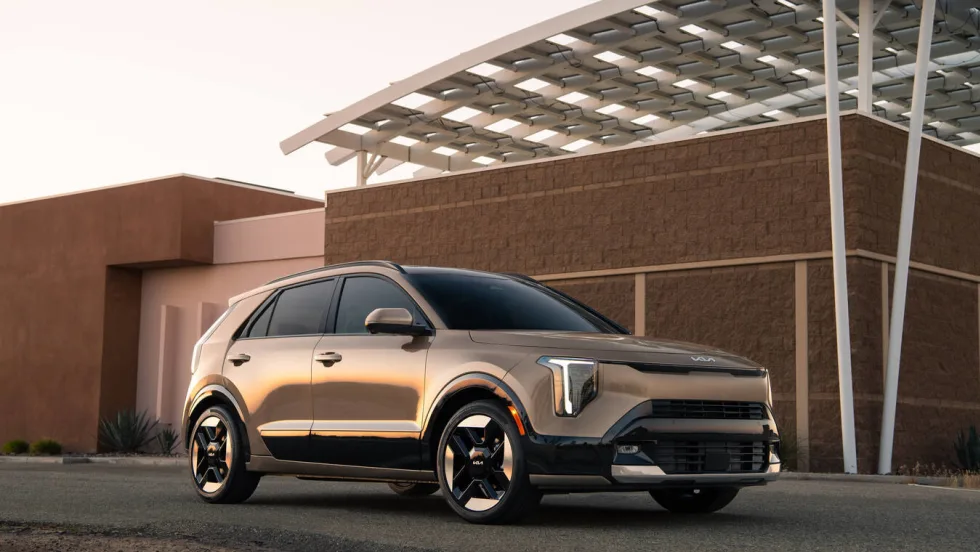
Kia Closes Out Summer With a Bang
Its U.S. subsidiary broke multiple records in August, in part due to a surge of demand for hybrids models.
Read More →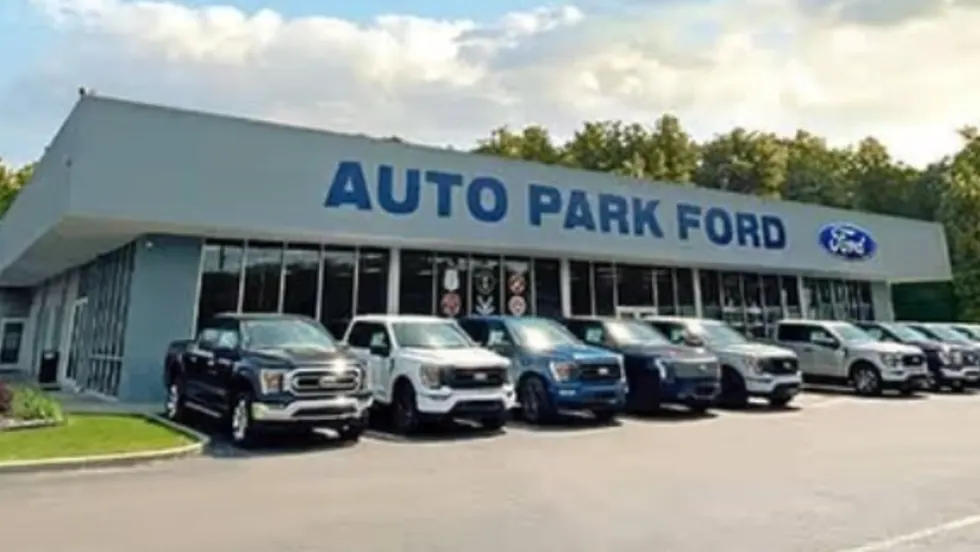
Indiana Dealership Changes Hands
A 30-year-old Ford dealership in Indiana has a new owner and will soon be undergoing renovations to meet manufacturer requirements.
Read More →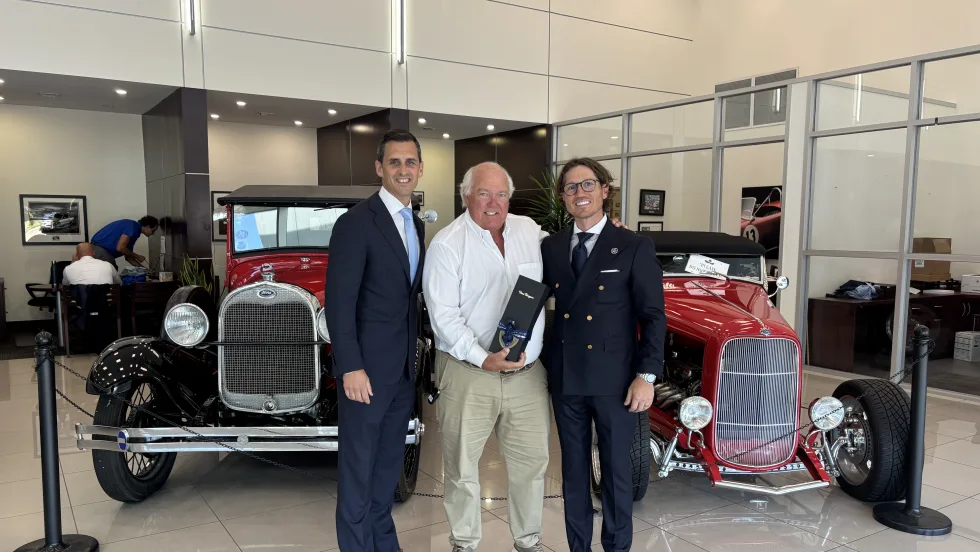
Texas Dealership No Longer in the Family
The Ford store, a longtime cornerstone of the Houston market, is now part of one of the fastest-growing U.S. auto groups.
Read More →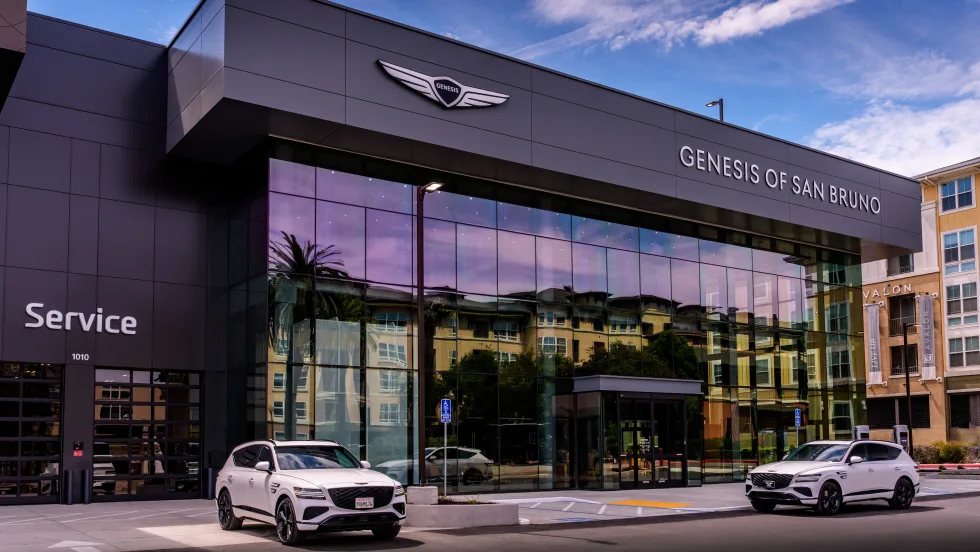
Genesis Grows California Presence
The Cardinale Automotive Group opened its third Genesis rooftop in the Golden State, Genesis of San Bruno, a stand-alone dealership serving the San Francisco Bay Area.
Read More →
August Auto Sales a Mixed Bag
An early forecast shows strong business despite consumer hurdles, and hybrids are a big piece of their affordability coping strategy.
Read More →
EV Market Humming Along
July sales show steady growth as the segment stabilizes from last year’s artificial surge following pullback of federal support.
Read More →
Auto Loan Delinquency Rates Stabilize
Auto loans are a main driver of nonmortgage consumer debt, but delinquency rates stabilized in the second quarter across all credit risk tiers.
Read More →