What’s Going on With GAP in 2017?


What’s Going on With GAP in 2017?
In August 2016, Chris Stoll of Allstate and I gave a presentation at the P&A Leadership Summit on GAP. At the time, we noted that GAP losses were up significantly and thought that the trend would continue, due to the underlying factors that are driving up GAP results. Attendees of this year’s conference are asked to join me for a session reviewing what has happened since our last meeting.
Before discussing the trends in GAP, it is important to realize that GAP is a very leveraged product! As the example below shows, changes in asset prices will have a much larger impact on GAP losses.
In this example, the value of a total loss settlement is shown at $15,000 with scenarios of +/-10%. The impact on GAP losses is about five times as much. So a used-car price decrease of 3% might have a 15% impact on GAP prices.
In the past, this has led to conditions which made GAP underwriting very profitable as well as very unprofitable. The instability is a feature of the product. We shouldn’t expect GAP pricing levels to be stable. Volatility and price changes are the norm for GAP insurance.
Recently, we have seen trends in asset prices, financing and the underlying used-car market.
Asset prices: Information from Cox Automotive indicates that retention values for the latest three model-years have declined over the past two years, but at a moderate pace. Type of car is critical. Smaller cars have performed much worse than the pickup and SUV market. This is due to consumer preference as fuel prices have declined.
Financing: Delinquency rates have increased for subprime loans but have been fairly stable for good credit scores. This is important because a tighter financing market will mean less negative equity financed and, ultimately, lower GAP losses.
Underlying physical damage trends: These have remained at historic highs. Frequencies have increased likely due to an increase in miles driven in an improving economy as well as distracted driving. Technology and lighter, more expensive materials are driving up parts costs at a dramatic rate. As severities increase, physical damage insurers will declare cars as total losses and simply pay the market value.
Simply put, a lot of the cost of a car is being pushed from the engine to the outer edges as the replacement cost for these sensors, cameras, and lightweight materials are very high.
So what could stop GAP losses from increasing? The underlying trends still point to higher GAP losses in the future. Some events that might slow or reverse GAP losses would include:
Tighter financing, which lowers the loan-to-value ratios on vehicles
An increase in used car prices, which is somewhat unlikely in the near term with the large supply of late model vehicles in the vehicle supply
An economic contraction which decreased physical damage frequency due to fewer miles being driven
Better technology on crash avoidance
A lowering of parts prices, perhaps due to increased availability of aftermarket parts for late model vehicles.
More Actuary
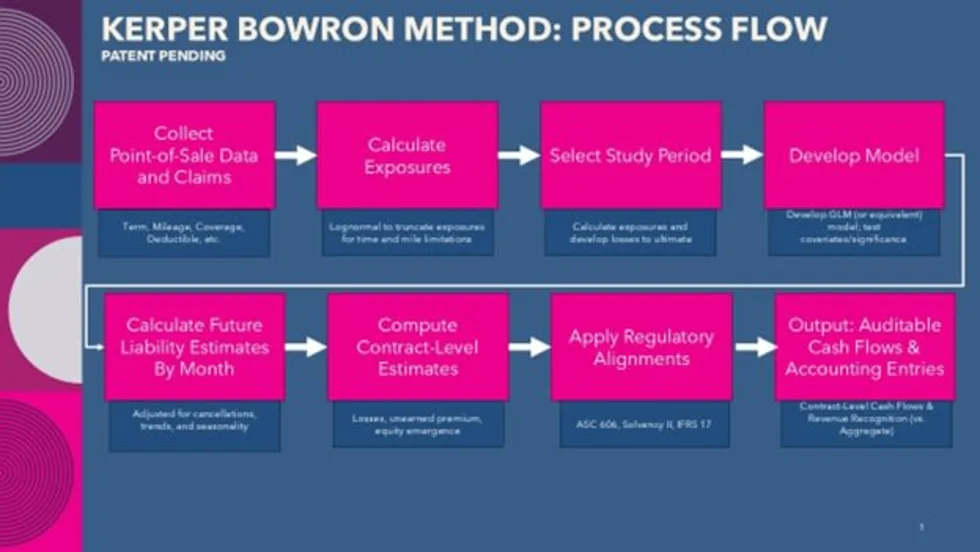
The Future of Service Contract Accounting
The Kerper Bowron Method is a patent-pending approach that builds on established actuarial principles but applies them at the individual contract level.
Read More →
Tougher Standards Mean Fewer IIHS Safety Awards
Fewer vehicles earned the honor in 2023 than last year as group toughens safety evaluation standards.
Read More →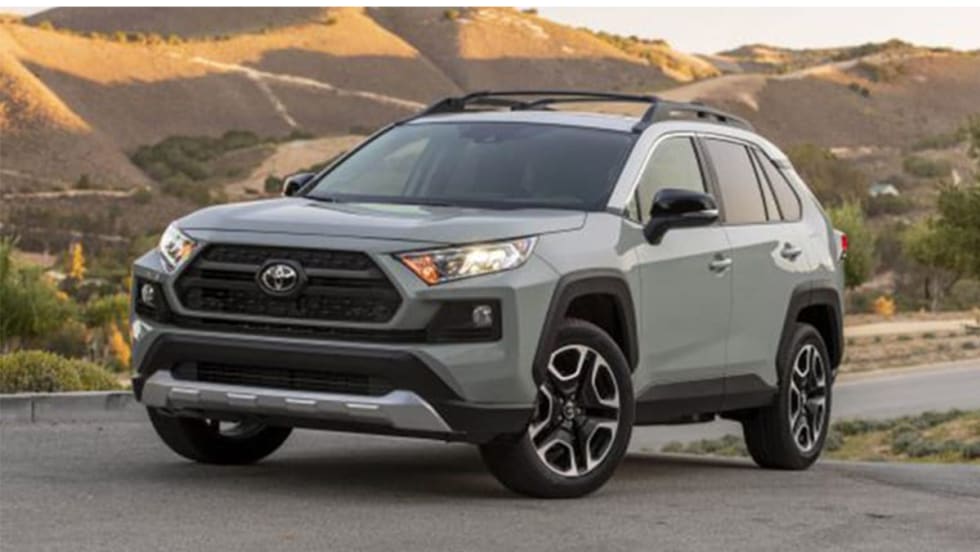
Kelley Blue Book Names 2021 Best Resale Value Award Winners
An average 2021 model-year vehicle will only retain about 40% of its original value after a five-year ownership period.
Read More →
Autotrader Names 10 Best Car Interiors Under $50,000 for 2020
To help car buyers look beyond a new car’s outward appearance and focus more on the beauty within, the experts at Autotrader recently named the 10 Best Car Interiors Under $50,000 for 2020.
Read More →
Will ASC 606 Impact Me?
Released in 2014 and in effect private companies as of this year, the FASB’s ASC 606 will have a significant impact on the P&A segment. Actuarial experts break down the new standard and answer your FAQs.
Read More →
Spireon Wins IoT Breakthrough Award
Spireon’s GoldStar GPS solution earned the company Connected Car Product of the Year honors in the 2019 IoT Breakthrough Awards.
Read More →

Ziegler: They Said I Was a Crackpot
Jim Ziegler holds Uber responsible for the death of an Arizona woman who was run down by an autonomous SUV in March, but he doubts executives will face criminal charges. In They Finally Killed Somebody , the Alpha Dawg traces the so-called demand for driverless vehicles to the handful of businesses that stand to gain the most — including some of your closest partners. Click here to read the story.
Read More →
Ziegler to GMs: Don’t Sell Yourself Short
If you are an executive general manager making $500,000 a year, this video is not for you. If not, listen up, because Jim Ziegler is here to help. In an exclusive to Auto Dealer Today , the Alpha Dawg lists the 20 Things a GM Must Do Every Week to become an executive GM, take your dealership to new heights, and maximize your personal income. Click here to read the story.
Read More →