


ACERTUS Delivers Record Number of Vehicles
ACERTUS increased home deliveries by 53% in 2019 via their last mile delivery service.

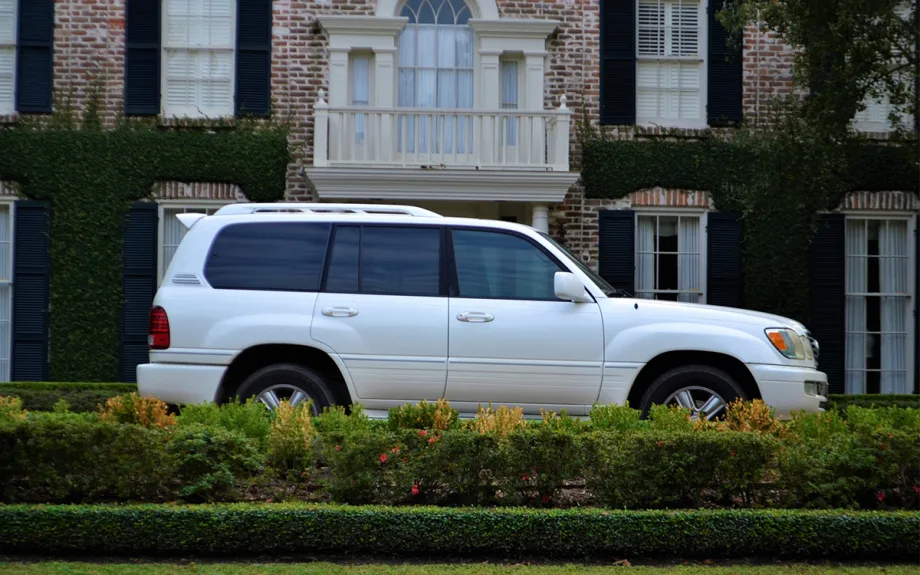
ACERTUS increased home deliveries by 53% in 2019, via their last mile delivery service.
Photo by F. Muhammad via Pixabay
ST. LOUIS, Mo. – ACERTUS, a tech-enabled automotive logistics and services company, today announced that 2019 was a record year for vehicles delivered via their Last-Mile Delivery service, resulting in a 53% increase over the prior year.
“The increased demand for our home delivery service is evidence that automotive retailing is in the midst of a paradigm shift,” says William Billiter, ACERTUS Co-Founder and CEO. “Digitization is revolutionizing car sales and service: consumers have unparalleled access to inventory, more transactions are happening online, and there is an expectation for faster fulfillment. Dealers are then left with the challenge of how to move more product faster and upshift customer experience. ACERUTS helps meet this demand of speed and service through our last mile offering.”
“Digitization is revolutionizing car sales and service: consumers have unparalleled access to inventory, more transactions are happening online, and there is an expectation for faster fulfillment."
This announcement comes at the start of a year when online car sales are anticipated to surpass one million and grow to more than six million by 2025 according to research conducted by Frost & Sullivan. Consequently, last mile logistics will continue to be a focus of change for the automotive industry in the coming year and decade.
“We are proud to serve as the logistics arm for our dealer customers, empowering them to provide a seamless omnichannel sales experience and grow their e-commerce business,” said Michael Malakhov, executive vice president. “ACERTUS’ unique multimodal infrastructure combined with our ability to execute a hub and spoke model increases speed, efficiency and cost savings all while delivering vehicles in road ready condition. With more than two decades of residential delivery experience, we are well positioned to support the increasing need for digital retail and mobility.”
Read: Will Auto Sales Top 17 Million Vehicles for Fifth Year Running?
Originally posted on Auto Dealer Today
More Industry
Badger State Dealership Gets New Owner
The longtime southern Wisconsin store moved from one area auto group to another, keeping the business in Dairyland.
Read More →
The Cycle of Negative Equity
Third-quarter data shows consumers still rolling over debt and stretching loan terms, raising their risk of remaining underwater.
Read More →
Charger Network Growth Slows
Despite a projected increase in public EV chargers in 2026, charging infrastructure remains a top concern for consumers as the gap between the most and least EV-friendly places remains substantial.
Read More →
Lenders, Consumers Take on More Auto Loan Risk
September records loosened credit access the most in over a decade as buyers took advantage of the conditions to afford trading, though loan applications fell.
Read More →
Next-Gen Hybrids in Sight
Dealerships can expect to see revamped hybrids from Honda next year as the company rolls out a new system and model lineup.
Read More →
Gem State Stores Change Hands
A larger auto group founded in the industry’s early years sold two franchises to a neighbor group that's on a growth spurt.
Read More →
Charging In Motion
Honda has been researching wireless in-motion charging for electric vehicles since 2025, and new technology developments have put it a step closer to a final product.
Read More →
Twin Cities Stores Sell
Minnesota-based Walser Automotive Group made what it called the most significant acquisition in its history with a three-rooftop deal in Minneapolis.
Read More →
U.S. Auto Sales Still Below Prepandemic Levels
Mobility Global industry observers don’t expect the market to return to the higher volumes that became routine before Covid but to stay well below its potential.
Read More →
The Powertrain Shift
Electric-vehicle owners are backpedaling, according to new data, with product availability driving many to shift back to gas-powered engines.
Read More →