


AEB Systems More Common But Could Be Better
Safety groups says many automakers now include such systems in most light vehicles.

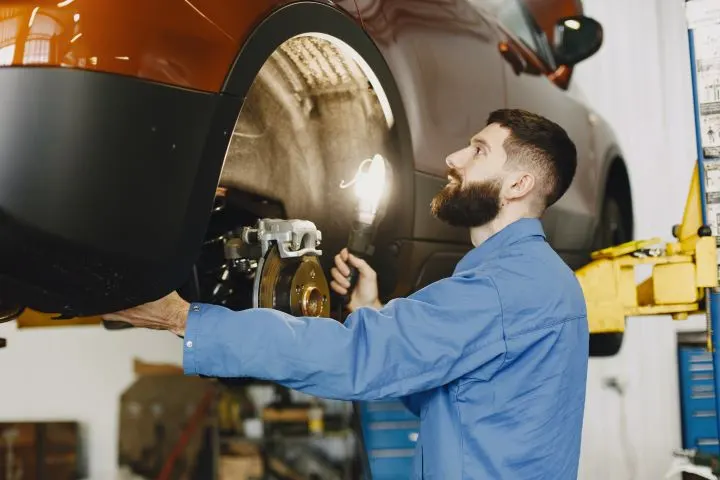
IIHS says front crash-prevention systems aren’t as effective in collisions with motorcycles and large trucks as with cars.
IMAGE: Pexels/Gustavo Fring
Nearly two dozen automakers have started to include automatic emergency braking in most light vehicles they make for U.S. consumers, though a safety group that helped forge the agreement says front crash-prevention systems could be improved.
The nonprofit Insurance Institute for Highway Safety said 20 vehicle producers met a voluntary commitment to equip new vehicles with the technology, installing it in 95% of the light vehicles they made by the year ended Aug. 31.
The fulfillment met the deadline of an agreement made in 2016 by the automakers that was brokered by the institute and federal safety regulator the National Highway Traffic Safety Administration. Consumer Reports monitored progress.
“Car buyers today will find that almost any new vehicle they buy comes standard with a city-speed AEB system, typically with pedestrian detection. This is significant progress, and it sets the stage for the strong federal safety standards that have been proposed,” said Consumer Reports Associate Director of Safety Policy William Wallace in a statement.
The pledge required automakers to install AEB on 95% of their light vehicles up to 8,500 pounds that slows the vehicle in low-speed tests that determine whether a model meets the institute’s advanced rating in a front crash-prevention evaluation.
This year, the NHTSA proposed that all new passenger vehicles with gross weight of 10,000 pounds or less have AEB that can avoid crashes at up to 50 mph.
The institute, meanwhile, says front crash-prevention systems aren’t as effective in collisions with motorcycles and large trucks as with cars. It says they cut rear-end crashes with the former vehicle types by 41% and 38%, respectively, but by 53% with cars.
“These reductions are impressive for all vehicle types, but the safety benefits could be even larger if front crash prevention systems were as good at mitigating and preventing crashes with big trucks and motorcycles as they are with cars,” said institute Vice President of Research Jessica Cicchino.
Originally posted on Auto Dealer Today
More Industry
Charger Network Growth Slows
Despite a projected increase in public EV chargers in 2026, charging infrastructure remains a top concern for consumers as the gap between the most and least EV-friendly places remains substantial.
Read More →
Lenders, Consumers Take on More Auto Loan Risk
September records loosened credit access the most in over a decade as buyers took advantage of the conditions to afford trading, though loan applications fell.
Read More →
Next-Gen Hybrids in Sight
Dealerships can expect to see revamped hybrids from Honda next year as the company rolls out a new system and model lineup.
Read More →
Gem State Stores Change Hands
A larger auto group founded in the industry’s early years sold two franchises to a neighbor group that's on a growth spurt.
Read More →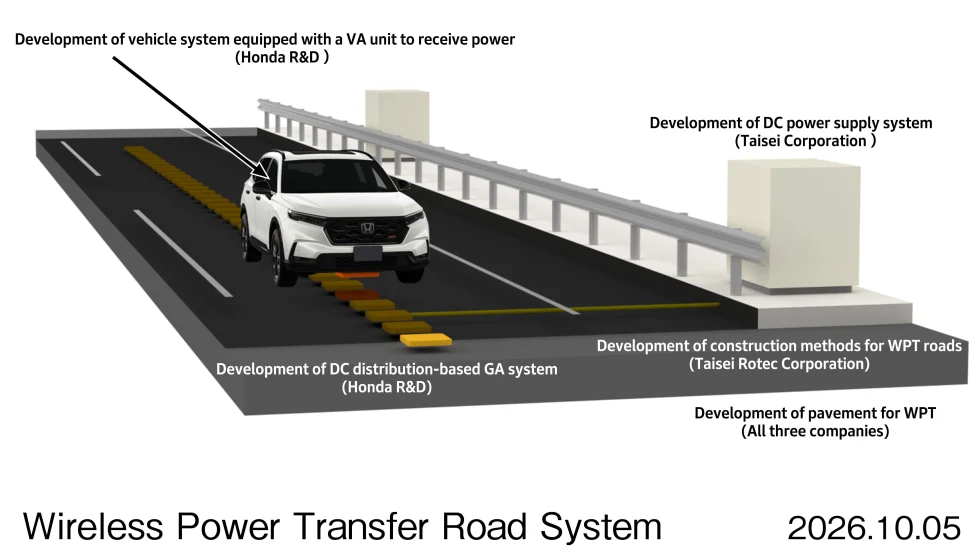
Charging In Motion
Honda has been researching wireless in-motion charging for electric vehicles since 2025, and new technology developments have put it a step closer to a final product.
Read More →
Twin Cities Stores Sell
Minnesota-based Walser Automotive Group made what it called the most significant acquisition in its history with a three-rooftop deal in Minneapolis.
Read More →
U.S. Auto Sales Still Below Prepandemic Levels
Mobility Global industry observers don’t expect the market to return to the higher volumes that became routine before Covid but to stay well below its potential.
Read More →
The Powertrain Shift
Electric-vehicle owners are backpedaling, according to new data, with product availability driving many to shift back to gas-powered engines.
Read More →
Achromatic Autos
The shades that dominate the U.S. car market don’t call attention to themselves, though grayscale may have plateaued after a 30-year upswing, research shows.
Read More →
Used-Vehicle Affordability Worsens
Listing prices in August defied seasonal trends, rising above $27,000 for the second time this year.
Read More →