


Auto Loan Defaults On the Rise

NEW YORK – Monthly default rates for auto loans and second mortgages have increased through July, while rates decreased for first mortgages and bank car loans, according to new data released today by Standard & Poor’s and Experian.
Defaulting balances were 8.2 percent in July, down from 8.8 percent in June for the bank card loans, and 3.2 percent, down from June's 3.3 percent, for first mortgages. Auto and second mortgage default rates increased to 1.9 percent and 2.8 percent, respectively, from 1.6 percent and 2.4 percent in June.
"After seeing consumer credit defaults decline in recent months, this data shows rising defaults in four of the five highlighted cities and nationally in second mortgages and auto loans,” said David Blitzer, managing director of the Index Committee at S&P. “While it is too soon to tell if this is a momentary aberration or a major shift, combined with some economic news, this data does raise concerns.
Blitzer added that while the largest category, first mortgages, continues to see improvement in default patters, auto loans saw defaults rise after six straight months of declines. Among the highlighted cities in the report, only Los Angeles saw lower consumer defaults in July compared to the first half of the year, when, at most, one of the five cities saw worsening defaults in any month.
Consumer credit defaults vary across major cities and regions of the United States. Among the five major Metropolitan Statistical Areas reported each month in this release, New York had the largest increase in defaults in the last month at 6.99 percent. Los Angeles was the only one of the five MSAs to experience a decrease this month of 3.46 percent. The sharpest decline in the last 12 months continues to be in Miami with 46.21 percent.
More Industry
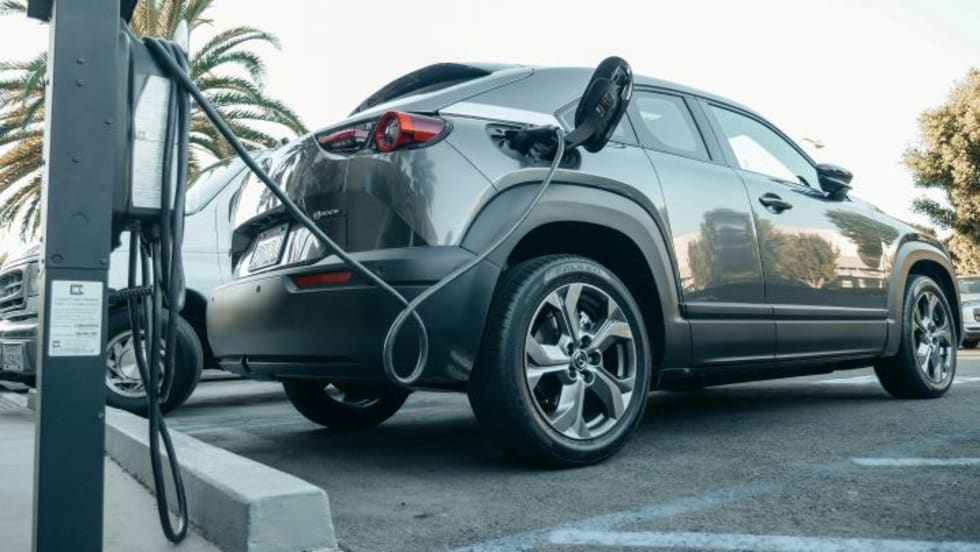
World EV Adoption Set to Grow
A new report says the segment, despite recent setbacks in some regions, is poised for acceleration as many countries look to reduce pollution.
Read More →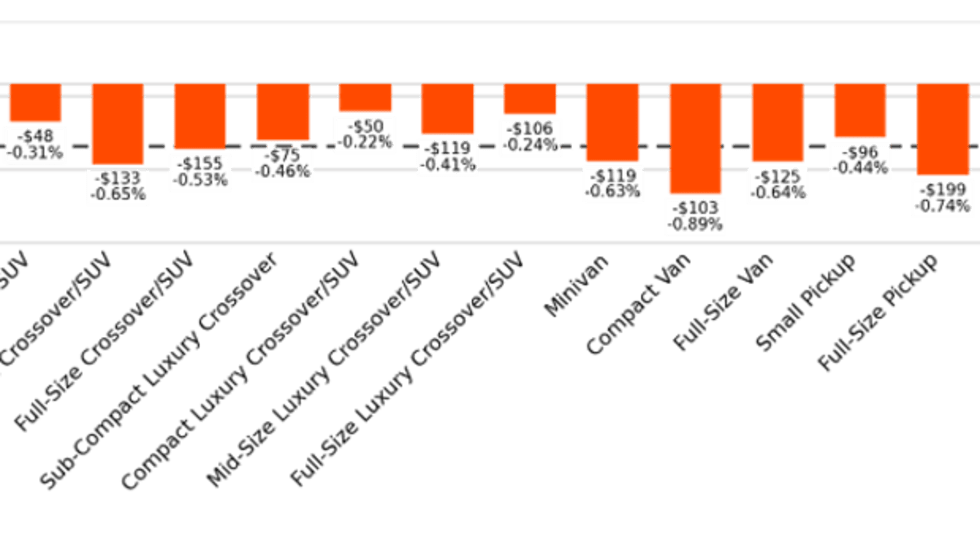
Black Book: Weekly Market Update
Wholesale automotive auction business stayed steady last week as bidders encountered lower prices, analysts observed.
Read More →
Pricing Transparency Drives Purchase Consideration
An annual study by JD Power found that clear pricing matters to consumers on automaker websites, so much so that it increases their purchase consideration.
Read More →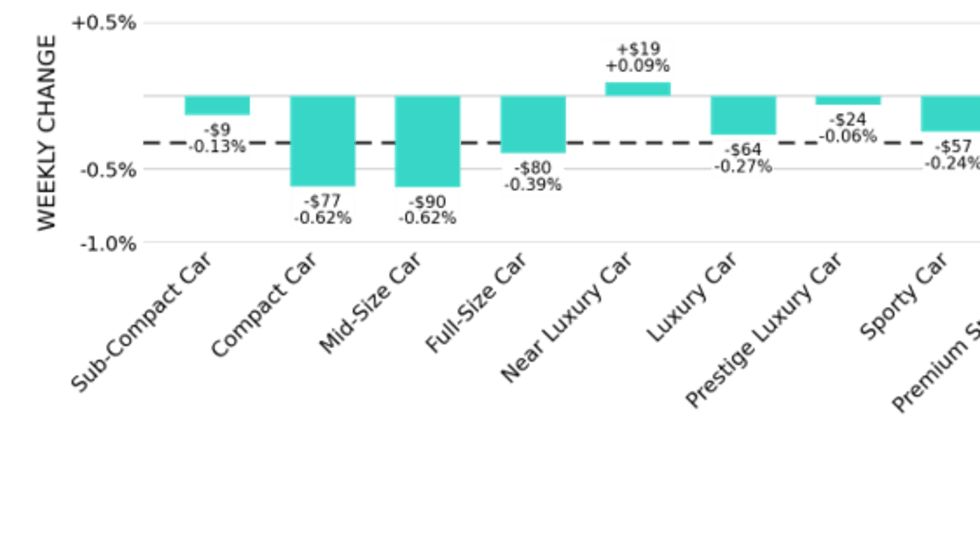
Black Book: Weekly Market Update
Used-vehicle market depreciation was the prevailing story in the wholesale market last week.
Read More →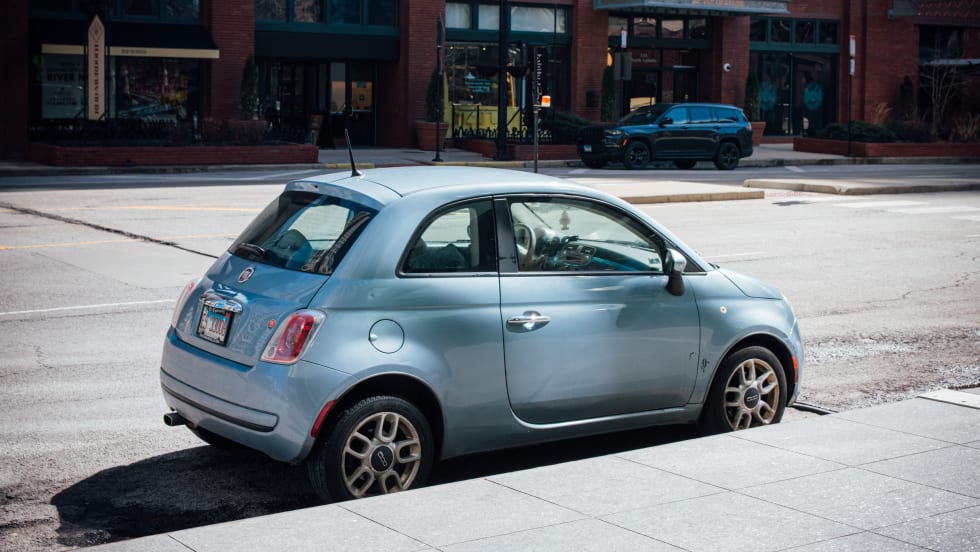
Smaller Is Looking Better
A growing number of Americans in the market for a new vehicle are opting for more affordable options, not waiting for market stability to bite the bullet.
Read More →
U.S. EV Market Slowly Stabilizes
U.S. electric-vehicle interest is slowly stabilizing since a major dip in sales after last year's end of the federal EV tax credit, and hybrids remain the leading electrified power train.
Read More →
Global EV Market Entering New Phase
Automakers are making investments to lower battery costs and optimize production to meet changing consumer needs.
Read More →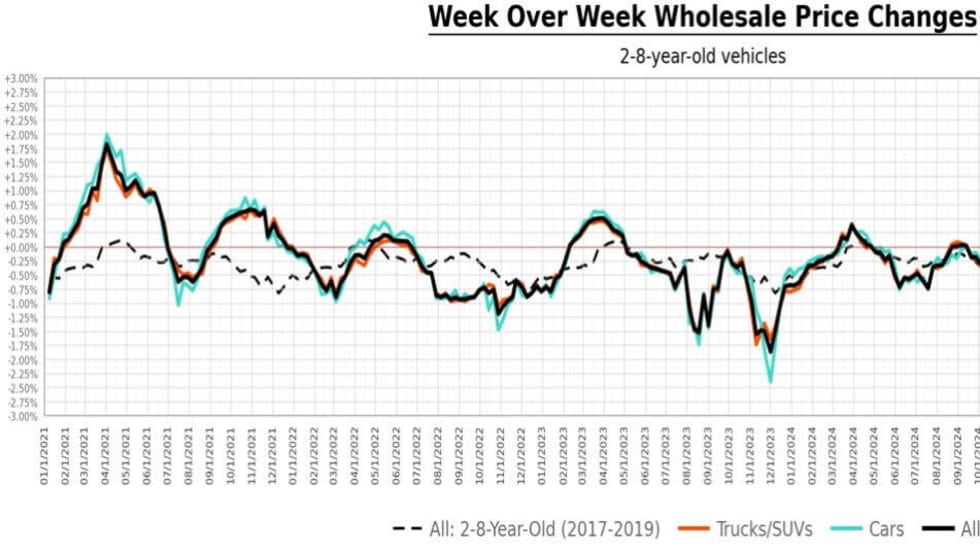
Black Book Weekly Market Update
The holiday weekend, not surprisingly, put a drag on wholesale automotive activity last week, analysts observed.
Read More →
Auto Affordability in Context
Cox Automotive points out the complex circumstances that have led to eye-popping vehicle prices.
Read More →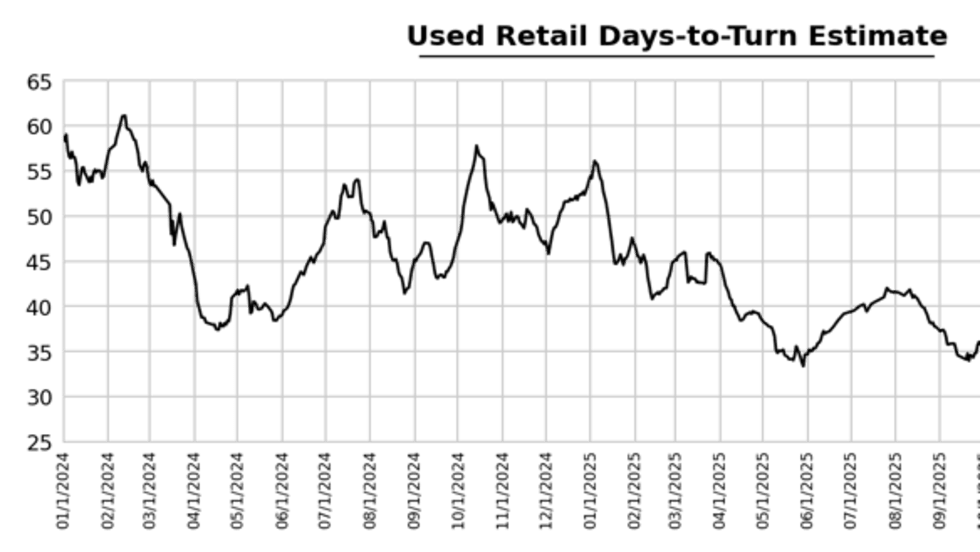
Black Book: Weekly Market Update
Automotive auction inventory increased last week, giving choosy bidders even more leeway.
Read More →