


Buy-Sell Market Momentum Continues
Q3 activity points to prospect of a record year in dealership trading.


This year’s conditions and others point to continued robust buy-sell activity next year.
Pexels/Antoni Shkraba
The U.S. dealership buy-sell market is proving to be super-charged this year, as activity in the first nine months is almost double prepandemic volume, according to Kerrigan Advisors data.
The sell-side firm said 330 transactions took place during the period representing 544 franchises. That’s up from 313 deals over 528 franchises during the same stretch last year and on track for a record year.
In 2019, the last full year before the pandemic, there were 161 transactions totaling 233 franchises, Kerrigan said.
The dealership deals pipeline is being filled from a confluence of factors, the firm said: moderating industry profits creating clearer valuations; more sellers emerging due to pandemic-era profits moving dealers to retire earlier; dealer groups selling weaker franchises; and large auto groups’ focus on scaling.
“Most now believe a ‘new normal’ has arrived and are comfortable basing their valuations on current earnings,” Kerrigan’s third-quarter Blue Sky Report says.
The firm estimates that auto dealer profits ballooned between 2020 and 2024 to three times the level reached in the previous four years to $278 billion pretax. The flush conditions inspire more dealers to sell their businesses, especially those with no succession plans, said Kerrigan, which estimates that blue-sky values for most franchises are healthy, though 19% off their historical peak.
This year’s conditions point to continued robust buy-sell activity next year, Kerrigan foresees, due to the fact that much of the accumulated earnings haven’t been leveraged, along with moderating interest rates, increased incentive spending, normalizing new-vehicle gross profits, and industry growth prospects during a second Trump administration.
The firm said franchises with the highest buy-sell market share in their segments for the period were CDJR, with 32% domestic market share, Nissan, with 20% import nonluxury share, and Infiniti, with 13% import luxury market share.
Originally posted on F&I and Showroom
More Industry

Charger Network Growth Slows
Despite a projected increase in public EV chargers in 2026, charging infrastructure remains a top concern for consumers as the gap between the most and least EV-friendly places remains substantial.
Read More →
Lenders, Consumers Take on More Auto Loan Risk
September records loosened credit access the most in over a decade as buyers took advantage of the conditions to afford trading, though loan applications fell.
Read More →
Next-Gen Hybrids in Sight
Dealerships can expect to see revamped hybrids from Honda next year as the company rolls out a new system and model lineup.
Read More →
Gem State Stores Change Hands
A larger auto group founded in the industry’s early years sold two franchises to a neighbor group that's on a growth spurt.
Read More →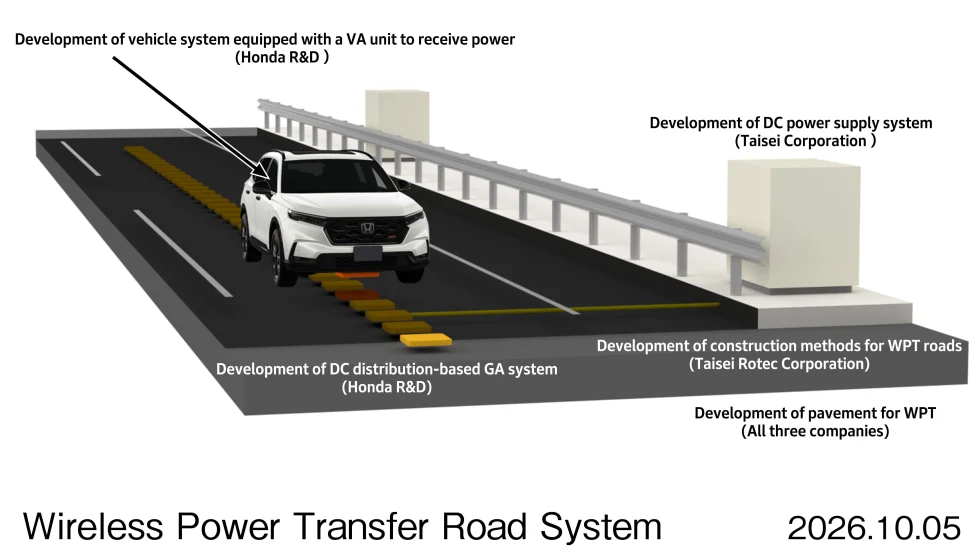
Charging In Motion
Honda has been researching wireless in-motion charging for electric vehicles since 2025, and new technology developments have put it a step closer to a final product.
Read More →
Twin Cities Stores Sell
Minnesota-based Walser Automotive Group made what it called the most significant acquisition in its history with a three-rooftop deal in Minneapolis.
Read More →
U.S. Auto Sales Still Below Prepandemic Levels
Mobility Global industry observers don’t expect the market to return to the higher volumes that became routine before Covid but to stay well below its potential.
Read More →
The Powertrain Shift
Electric-vehicle owners are backpedaling, according to new data, with product availability driving many to shift back to gas-powered engines.
Read More →
Achromatic Autos
The shades that dominate the U.S. car market don’t call attention to themselves, though grayscale may have plateaued after a 30-year upswing, research shows.
Read More →
Used-Vehicle Affordability Worsens
Listing prices in August defied seasonal trends, rising above $27,000 for the second time this year.
Read More →