


Carmakers Embrace Sustainability
Growing use of recycled materials, parts in vehicle manufacturing could bring a significant market shift, report says.

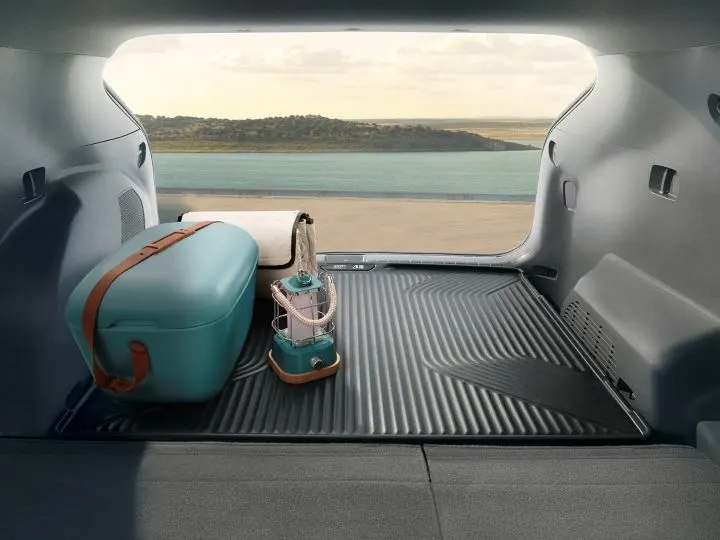
Kia introduced a matt for its EV3 last fall that's made from plastic from the Great Pacific Garbage Patch.
Kia
Automakers are increasingly incorporating recycled materials into their vehicle manufacturing in response to consumer interest, a new report shows.
The trend stands to reshape market competition, according to the analysis by GlobalData, a London-based data analytics provider and consultant.
A “considerable shift” is taking place in the industry when it comes to materials sourcing and production processes as automakers prioritize recycled and sustainable materials, the report says.
Incorporating such changes, in addition to reducing environmental impacts, can reduce production costs and make operations more efficient, says GlobalData, which adds that for the consumer lighter-weight materials, including recycled plastics, improve fuel efficiency.
It points out efforts by multiple major automakers:
Toyota, Mazda and Honda programs to use recycled plastics in vehicle manufacturing
Ford’s seat cushions that incorporate plastic recycled from water bottles
Volvo’s use of recycled material from fishing nets and ropes in one model’s interior components
Jaguar’s application of vehicle fabric made from ocean debris plastics
Toyota announced a new program this month to recycle vehicles and their parts to make new ones. The Toyota Circular Factory starts its first operation this fall at a Corolla plant in England.
Automakers are collaborating with recycling companies to source materials, says GlobalData, which expects the efforts to influence auto consumer buying habits and bring a “significant” shift to the industry.
“As manufacturers adapt to these sustainable practices, we may observe a transformation in consumer preferences, with buyers increasingly favoring brands that prioritize environmental responsibility,” said company Automotive Analyst Madhuchhanda Palit.
Increased demand for recycled material for auto manufacturing could also increase demand for more electric and hybrid vehicles, feeding industry growth, Palit says.
Originally posted on Auto Dealer Today
More Industry

Charger Network Growth Slows
Despite a projected increase in public EV chargers in 2026, charging infrastructure remains a top concern for consumers as the gap between the most and least EV-friendly places remains substantial.
Read More →
Lenders, Consumers Take on More Auto Loan Risk
September records loosened credit access the most in over a decade as buyers took advantage of the conditions to afford trading, though loan applications fell.
Read More →
Next-Gen Hybrids in Sight
Dealerships can expect to see revamped hybrids from Honda next year as the company rolls out a new system and model lineup.
Read More →
Gem State Stores Change Hands
A larger auto group founded in the industry’s early years sold two franchises to a neighbor group that's on a growth spurt.
Read More →
Charging In Motion
Honda has been researching wireless in-motion charging for electric vehicles since 2025, and new technology developments have put it a step closer to a final product.
Read More →
Twin Cities Stores Sell
Minnesota-based Walser Automotive Group made what it called the most significant acquisition in its history with a three-rooftop deal in Minneapolis.
Read More →
U.S. Auto Sales Still Below Prepandemic Levels
Mobility Global industry observers don’t expect the market to return to the higher volumes that became routine before Covid but to stay well below its potential.
Read More →
The Powertrain Shift
Electric-vehicle owners are backpedaling, according to new data, with product availability driving many to shift back to gas-powered engines.
Read More →
Achromatic Autos
The shades that dominate the U.S. car market don’t call attention to themselves, though grayscale may have plateaued after a 30-year upswing, research shows.
Read More →
Used-Vehicle Affordability Worsens
Listing prices in August defied seasonal trends, rising above $27,000 for the second time this year.
Read More →