


Charges Filed in Porsche Credit Fraud Case

FRANKFURT - Porsche Automobil Holding SE said Tuesday that former finance chief Holger Härter and two other managers have been charged with credit fraud in the auto maker's attempted takeover of Volkswagen AG.
The Stuttgart prosecutors' office said the three are accused of providing inaccurate information when negotiating follow-up financing for a €10 billion ($13.22 billion) loan maturing in March 2009 in connection with the takeover attempt, reported The Wall Street Journal.
Mr. Härter's lawyer couldn't immediately be reached for comment, but news agency DAPD reported that his lawyer said Mr. Härter rejected the allegations.
Porsche said the other two people didn't hold executive titles. The prosecutors' office didn't disclose their names but said they worked for Porsche's finance department and at least one still works for the German car company.
In a written statement to one bank, the three managers claimed the liquidity requirement for the exercise of call options for Volkswagen shares would be about €1.4 billion lower than it actually was, according to the prosecutors' office. They are also accused of concealing that Porsche had sold put options for about 45 million ordinary Volkswagen shares.
At the same time, investigations into accusations of market manipulation and embezzlement against former executive-board members are continuing. The investigations are very complex and time-consuming and won't be finished before midyear, the prosecutors' office said.
Porsche initially tried to take over its much-larger peer, spending about €23 billion over three years to build up a 51 percent stake in Volkswagen. But the bold plan backfired when credit markets dried up and the company's debt ballooned.
In October 2008, Porsche disclosed it had a nearly 75 percent stake in Volkswagen using so-called cash-settled options to build up its stake. Cash-settled options, which are settled in cash instead of shares, didn't need to be disclosed to regulators under German law at the time.
The news of its stake triggered a huge run-up in Volkswagen shares, making the German auto maker the world's most valuable publicly traded company for a two-day period that month.
Porsche's goal was to raise its stake to 75 percent, which would have allowed the Stuttgart-based company to get its hands on Volkswagen's large cash reserves to help it pay for the cost of the takeover.
But by May 2009, the global recession and slumping car sales put Porsche's bid on the ropes. The sports-car maker's plan to raise its stake above 75 percent was thwarted and it was forced to seek a rescue by Volkswagen.
Its effort also triggered a legal backlash. Several international investment funds accused Porsche of cornering the market in 2008 during its ill-fated takeover attempt of Volkswagen.
In August 2009, Volkswagen had the upper hand in negotiations. It signed a complex agreement to forge a joint company. Legal and tax considerations since have stalled integration. Earlier this week, Volkswagen Chief Financial Officer Hans Dieter Poetsch said that talks on integrating Porsche's sports-car unit into its brands continue, but the timing of a deal was still uncertain.
A key aspect of the current evaluation is a potential tax payment of about €1 billion if Volkswagen and Porsche go ahead with the deal before mid-2014.
Volkswagen can exercise the respective call option to buy the remaining 50.1 percent stake in the sports-car unit between March 1, 2013, and April 30, 2013, or between Aug. 1, 2014, and Sept. 30, 2014. An earlier deal, however, would enable Volkswagen and Porsche to reap more cost synergies from joint operation.
More Industry
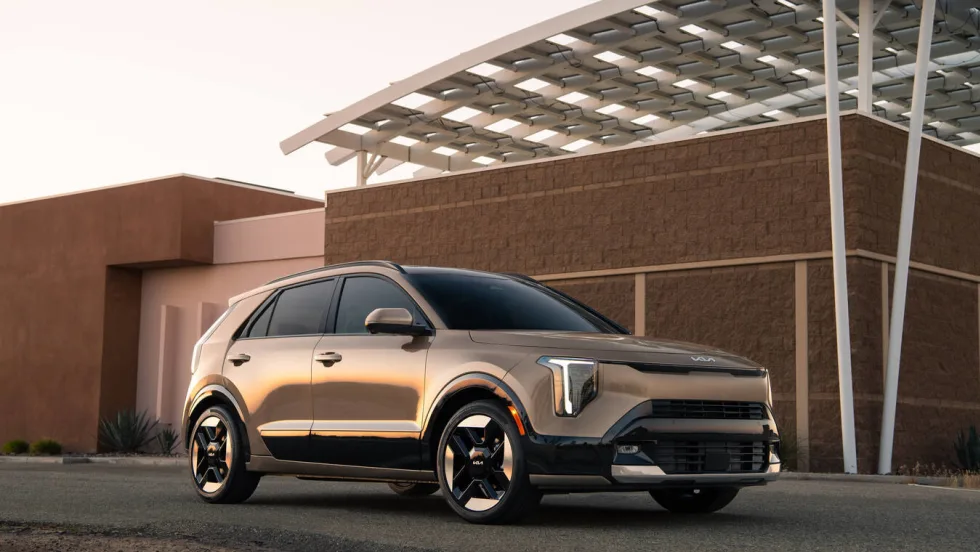
Kia Closes Out Summer With a Bang
Its U.S. subsidiary broke multiple records in August, in part due to a surge of demand for hybrids models.
Read More →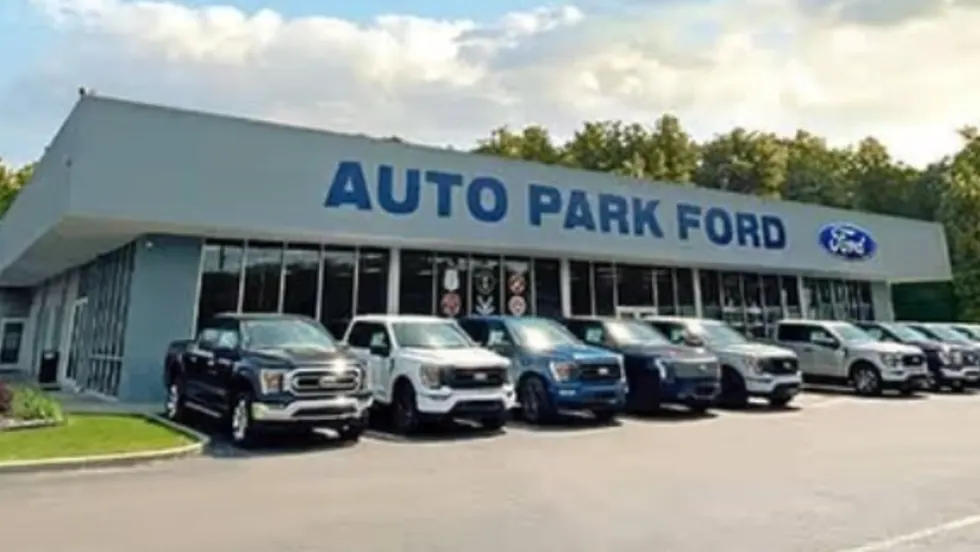
Indiana Dealership Changes Hands
A 30-year-old Ford dealership in Indiana has a new owner and will soon be undergoing renovations to meet manufacturer requirements.
Read More →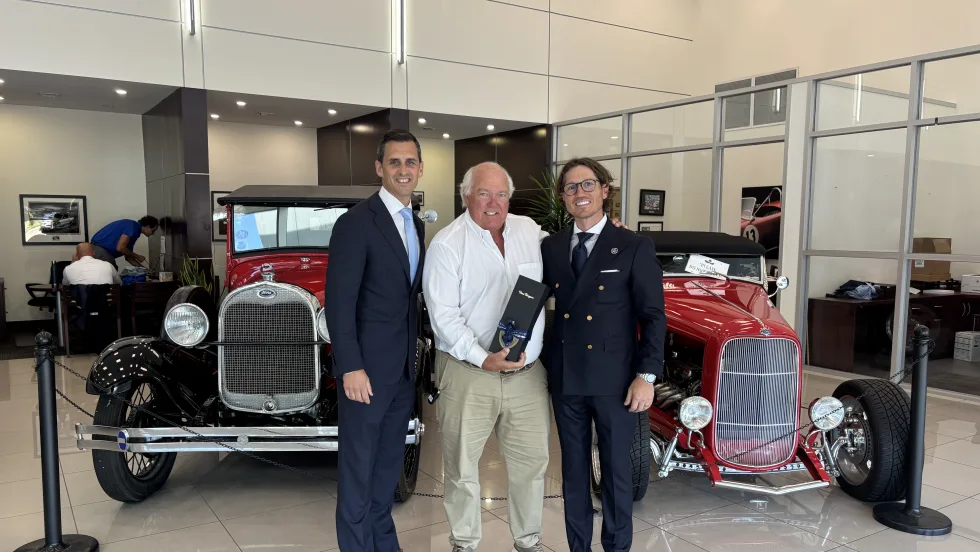
Texas Dealership No Longer in the Family
The Ford store, a longtime cornerstone of the Houston market, is now part of one of the fastest-growing U.S. auto groups.
Read More →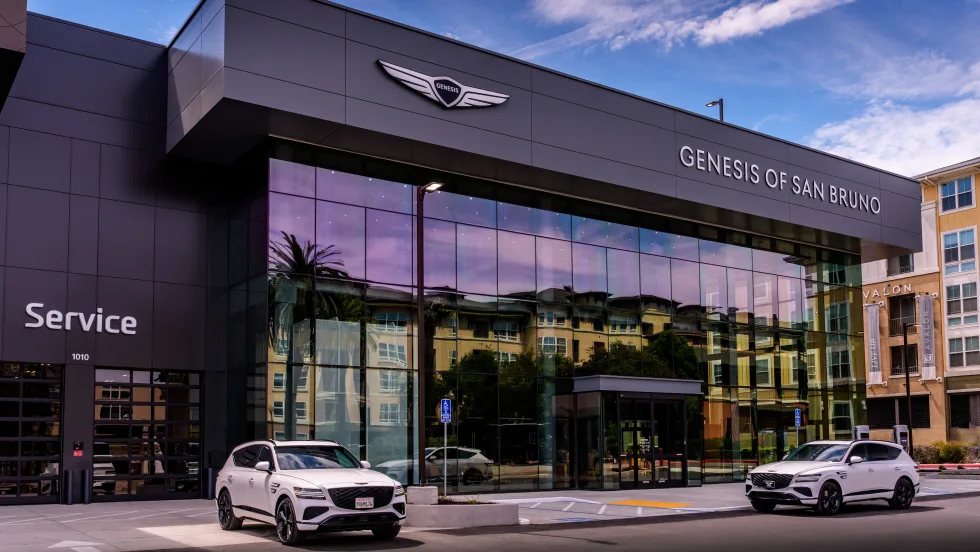
Genesis Grows California Presence
The Cardinale Automotive Group opened its third Genesis rooftop in the Golden State, Genesis of San Bruno, a stand-alone dealership serving the San Francisco Bay Area.
Read More →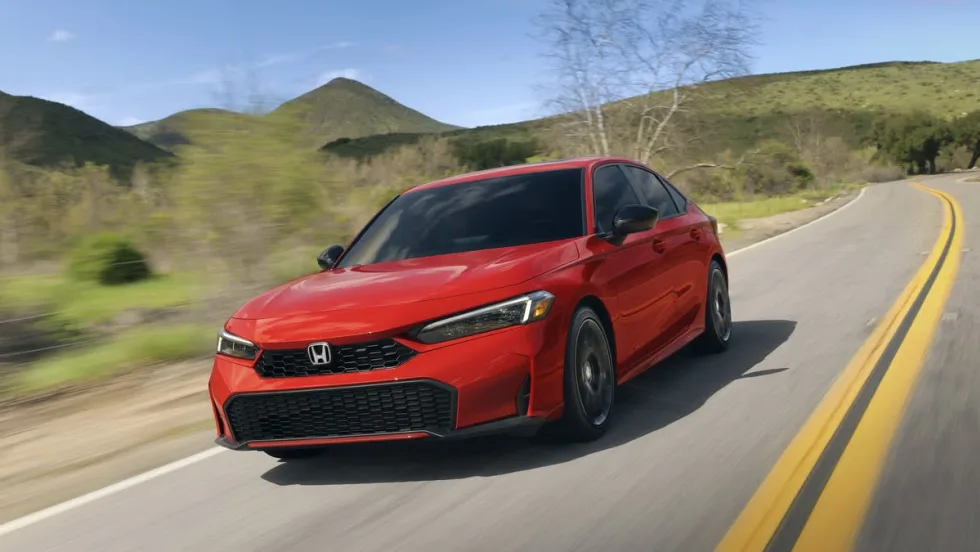
August Auto Sales a Mixed Bag
An early forecast shows strong business despite consumer hurdles, and hybrids are a big piece of their affordability coping strategy.
Read More →
EV Market Humming Along
July sales show steady growth as the segment stabilizes from last year’s artificial surge following pullback of federal support.
Read More →
Auto Loan Delinquency Rates Stabilize
Auto loans are a main driver of nonmortgage consumer debt, but delinquency rates stabilized in the second quarter across all credit risk tiers.
Read More →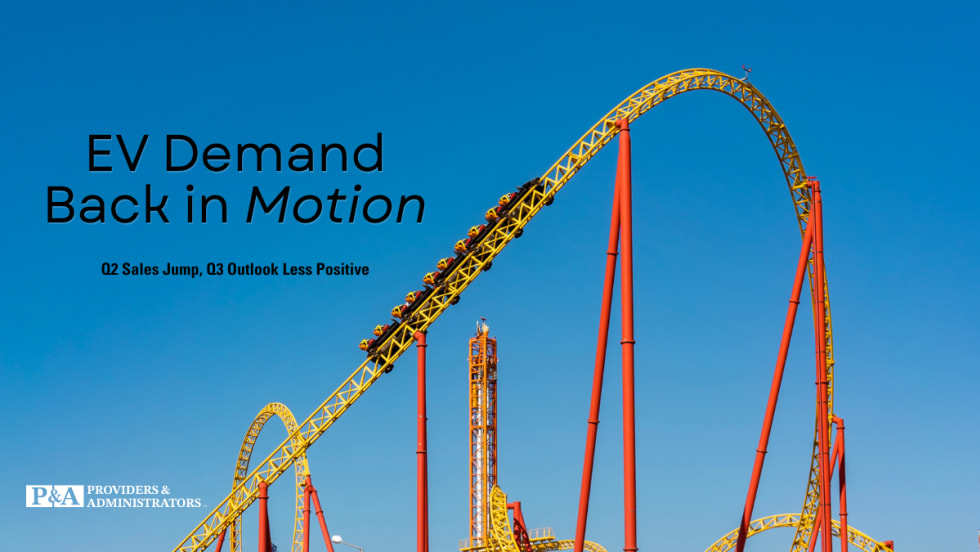
EV Sales Recover in Q2
The EV sales roller coaster continues as numbers show improvement, but industry experts predict a year-over-year third-quarter decline and fourth-quarter jump.
Read More →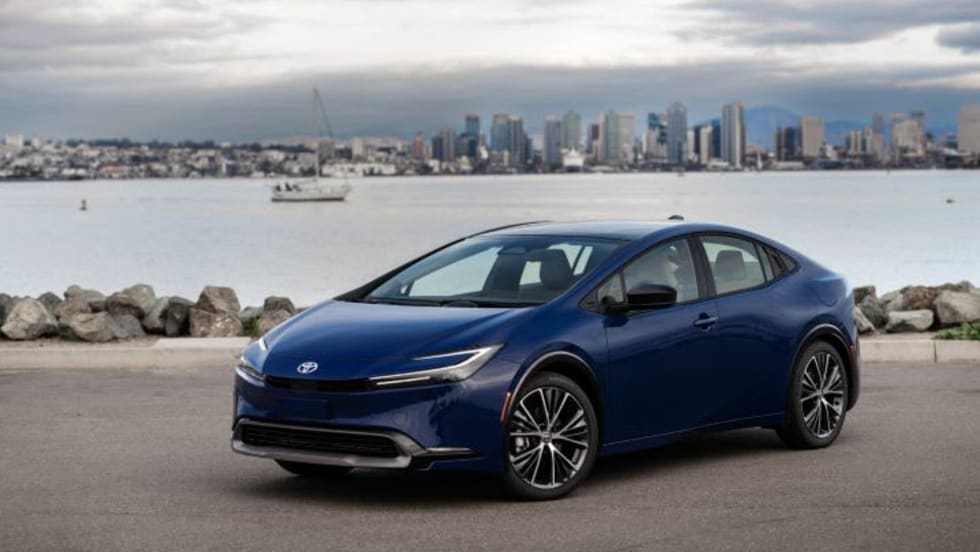
The Cheapest Hybrids to Fuel
The powertrain is increasing in popularity, in no small part due to its fuel economy. A new report lists the most efficient hybrids on the market.
Read More →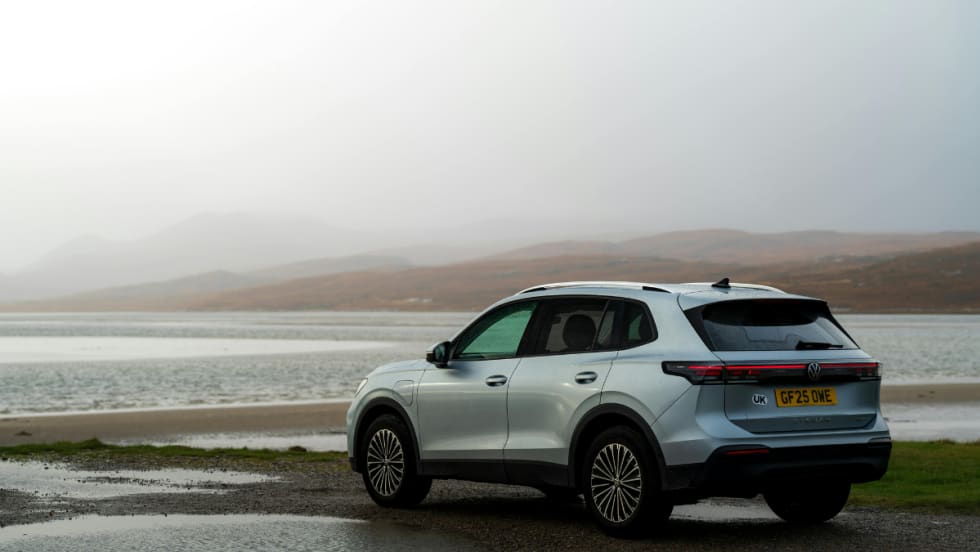
Hybrids and SUVs Gaining Ground
The most recent Kelley Blue Book Brand Watch found that only two nonluxury brands increased in shopper consideration, buoyed by their hybrid and SUV offerings.
Read More →