


Chrysler's PT Cruiser Hits End of the Road

A decade ago, the PT Cruiser roared onto the road with trendsetting looks and Al Capone swagger. In a sea of bland Honda Civics and Toyota Camrys, it was a retro hit. Chrysler could barely keep up with demand.
On Friday morning, the last Cruiser rolled off the assembly line in Mexico, finally killed off after years of declining popularity. Chrysler sold just 18,000 last year, compared with nearly 145,000 in 2001, MSNBC reported.
What happened in between is symbolic of the larger problems that helped drive Chrysler into bankruptcy — and a cautionary tale for its new owners, who are planning to release a similarly stylish car later this year.
Love it or hate it, the Cruiser was a head-turner. With flared fenders, a sloping hood and tall doors, the Cruiser was a cross between an old-time milk truck and luxurious sedans of the 1930s. Its looks were different from anything on the road.
It spawned imitators like the retro Chevrolet HHR, and appreciation for the historical American design embodied by cars like the Ford Mustang and Chevrolet Camaro.
"I remember the first time I saw one at an auto show. It was jaw-dropping," said John McEleney, an Iowa car dealer who sold Chryslers at the time.
The Cruiser was a demographic-buster: It appealed to everyone from retirees to customizers to young people looking for something spacious and inexpensive, said Aaron Bragman, an analyst with IHS Automotive who owned a turbocharged PT Cruiser GT.
But Chrysler failed to invest in the car or think of ways to expand its appeal beyond new paint colors or a convertible top. Although fans clamored for two-door and panel van versions, Chrysler never made a significant update.
"If Chrysler had invested money in a major restyling, there could have been a positive payback on that," McEleney said.
While the Cruiser was waning, Chrysler was starved for resources. After a nine-year partnership with Daimler AG, the company was sold in 2007 to private equity firm Cerberus Capital Management, which led it into bankruptcy last summer.
Other Chrysler cars languished in the chaos, including the Sebring sedan, which was panned for its cheap materials and mediocre performance even after a 2007 update.
While Chrysler's new owner, Fiat Group SpA, plans to revamp most of its lineup, and new vehicles like the 2011 Jeep Grand Cherokee have gotten positive reviews, Chrysler still isn't updating models as quickly as its competitors are.
Between 2011 and 2014, the average Chrysler model will be on the market for 3.1 years, compared with an industry average of 2.5 years or Honda's 1.9 years, said Merrill Lynch analyst John Murphy.
That means Chrysler will have to fight harder to get noticed.
McEleney said the PT Cruiser is a product of a different time. Increasingly, automakers are building cars that will have appeal around the world to make sure they can recoup their significant research and development costs.
He doubts something as distinctly American as the Cruiser would be desirable outside the U.S.
Chrysler has about 5,700 PT Cruisers left for sale and has been selling about 1,000 per month. Prices start at about $19,000, and the company is offering end-of-the-model-year deals like $2,000 cash or no-interest financing for five years.
Because Chrysler made so many Cruisers, the car is unlikely to attract collectors, so its price will probably depreciate just like most other cars, said Dave Kinney, publisher of "Hagerty's Cars That Matter," a guidebook of classic car prices.
When first introduced, the roomy Cruisers were in high demand, but recently they became common in rental car fleets and were used widely to deliver pizzas and office supplies, Kinney said.
"They went from being the cool kids to everybody on the block," he said.
The Fiat 500, which is smaller than the Cruiser, is the company's next hope, with better fuel economy and a European look. Jack Nerad, editorial director of Kelley Blue Book, said it has the potential to be a new head-turner for Chrysler.
But Chrysler has to be careful not to let the 500 become another one-hit wonder. When the PT Cruiser first came out, it was so desirable that dealers were fetching well over the sticker price, Nerad said. Chrysler responded by producing as many as it could, quickly turning the car into a commodity.
Chrysler didn't want to comment on the Cruiser's demise, other than to confirm that production had ceased.
By contrast, BMW has tightly managed production of a similar niche car, the Mini Cooper, and has invested in a full redesign and rolled out the elongated Clubman version since the Mini was introduced eight years ago.
That's a pattern Chrysler may be following with the 500. To create an exclusive aura around the car, Chrysler is requiring dealers who want to sell it to have separate Fiat showrooms and staffs. BMW did the same thing with Mini.
More Industry
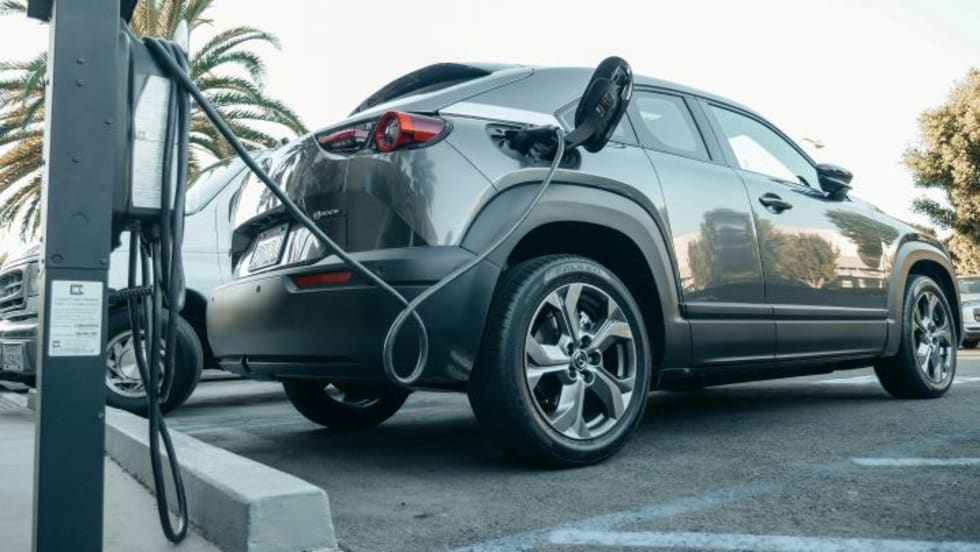
World EV Adoption Set to Grow
A new report says the segment, despite recent setbacks in some regions, is poised for acceleration as many countries look to reduce pollution.
Read More →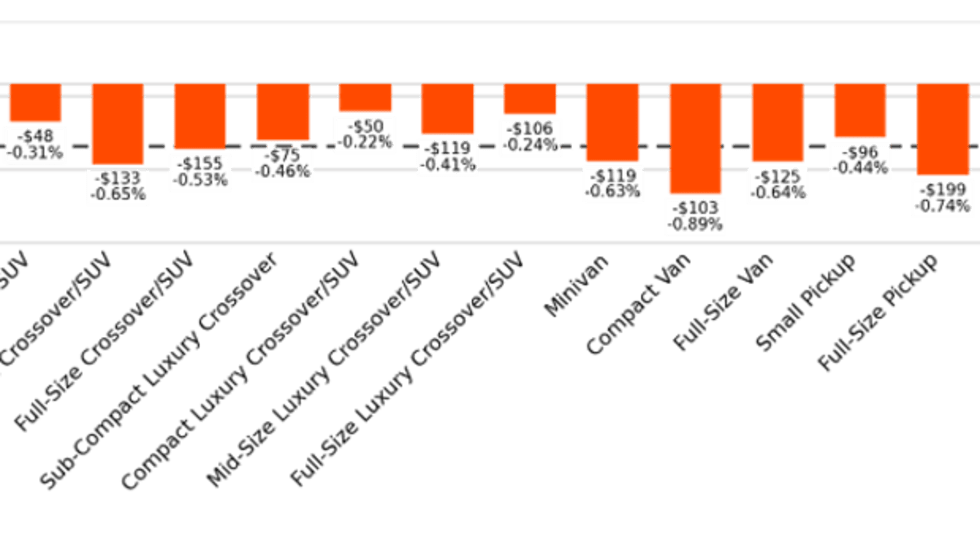
Black Book: Weekly Market Update
Wholesale automotive auction business stayed steady last week as bidders encountered lower prices, analysts observed.
Read More →
Pricing Transparency Drives Purchase Consideration
An annual study by JD Power found that clear pricing matters to consumers on automaker websites, so much so that it increases their purchase consideration.
Read More →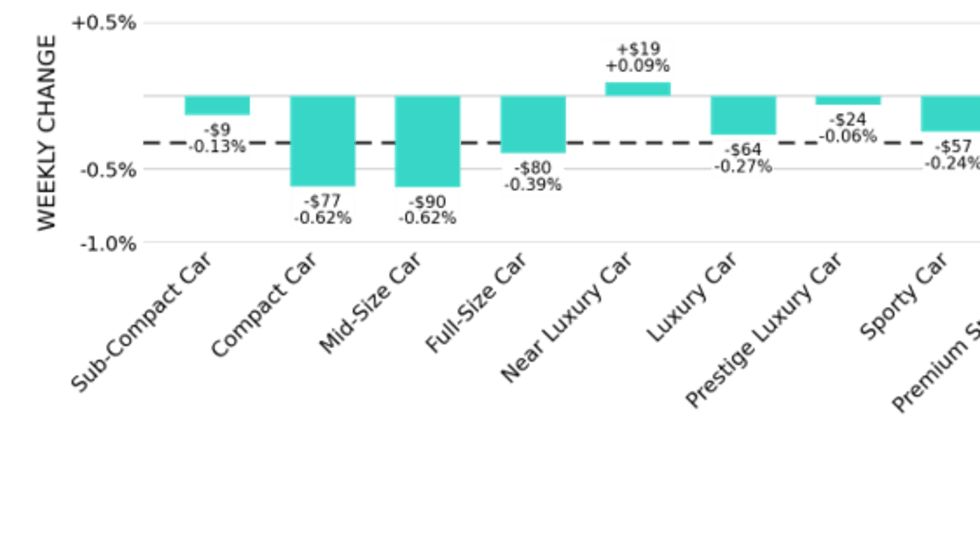
Black Book: Weekly Market Update
Used-vehicle market depreciation was the prevailing story in the wholesale market last week.
Read More →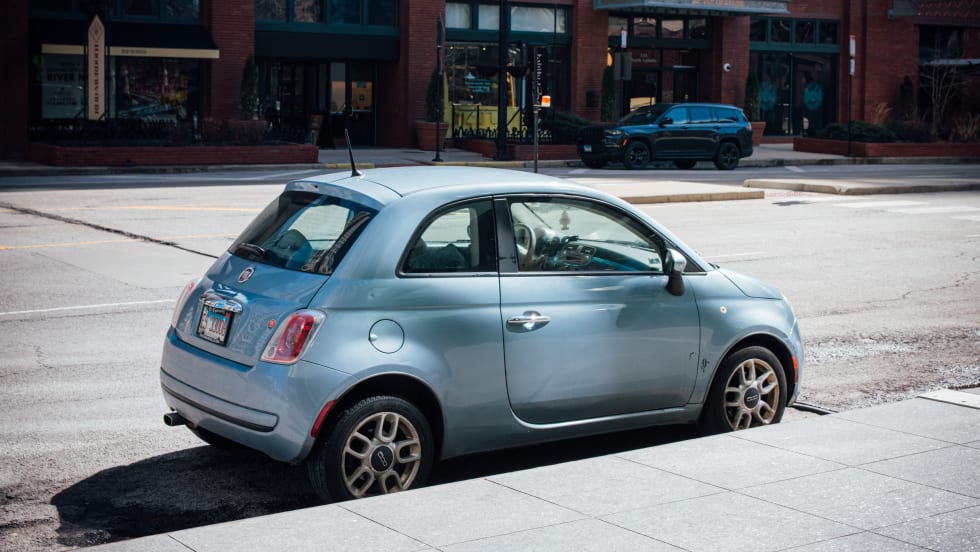
Smaller Is Looking Better
A growing number of Americans in the market for a new vehicle are opting for more affordable options, not waiting for market stability to bite the bullet.
Read More →
U.S. EV Market Slowly Stabilizes
U.S. electric-vehicle interest is slowly stabilizing since a major dip in sales after last year's end of the federal EV tax credit, and hybrids remain the leading electrified power train.
Read More →
Global EV Market Entering New Phase
Automakers are making investments to lower battery costs and optimize production to meet changing consumer needs.
Read More →
Black Book Weekly Market Update
The holiday weekend, not surprisingly, put a drag on wholesale automotive activity last week, analysts observed.
Read More →
Auto Affordability in Context
Cox Automotive points out the complex circumstances that have led to eye-popping vehicle prices.
Read More →
Black Book: Weekly Market Update
Automotive auction inventory increased last week, giving choosy bidders even more leeway.
Read More →