


Democrats Signal Defeat on EV Tax Credit
The federal spending bill being negotiated by House and Senate leaders is not likely to include an extension of the $7,500 tax credit for buyers of electric vehicles.

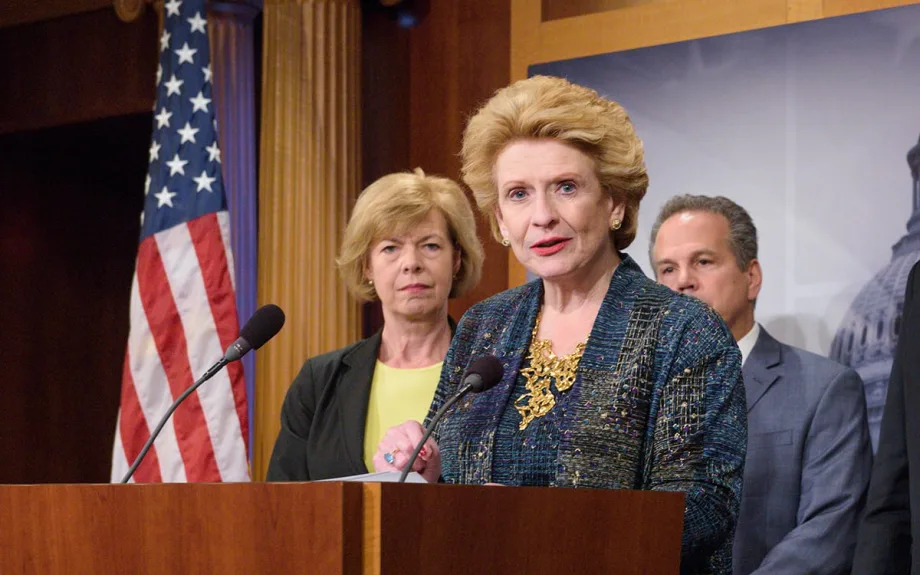
Sen. Debbie Stabenow (D-Mich.) told Bloomberg the federal electric vehicle tax credit would be difficult to extend in the face of “extreme resistance” from the Trump administration.
Photo courtesy Sen. Debbie Stabenow via Flickr
WASHINGTON — An Obama era tax credit for buyers and lessees of new electric vehicles will not likely be extended as part of a new federal spending bill, Reuters reports. A campaign led by manufacturers and Democratic legislators failed to sway Republican leaders, including President Donald Trump, who have denounced the credit as a tax break for wealthy car buyers.
“There has been extreme resistance from the president. It’s going to be difficult,” Sen. Debbie Stabenow (D-Mich.) told Bloomberg this week.
Read: Trump Budget Kills EV Tax Credit
The $7,500 income tax deduction was introduced in 2009 and applied to the first 200,000 electric units built by any manufacturer in the U.S. market. The nation’s EV leaders, General Motors and Tesla, exceeded that mark in 2018 but have since benefited from credits of diminishing amounts. The current federal tax credit of $1,875 for GM and Tesla units will expire Dec. 31 and March 1, respectively.
Opponents of the extension frequently referenced a 2014 IRS report that found 79% of electric vehicle tax credits went to households earning $100,000 or more. Only 1% were claimed by households earning less than $50,000.
Proponents countered the IRS figures set aside the fact that dealers were able to apply the credit to leases, which accounted for a majority of the EV market as recently as 2017, according to Bloomberg Intelligence.
“The tax credit quickly became another example of the government’s solicitousness for those who are comfortable and who are skillful in defense of their comforts.”
Columnist George Will summarized the conservative viewpoint in an April column for The Washington Post.
“The tax credit quickly became another example of the government’s solicitousness for those who are comfortable and who are skillful in defense of their comforts,” he wrote. “Today, demand for electric cars is still insufficient to produce manufacturing economies of scale (after a decade of production, moral exhortations and subsidies, electric cars are a fraction of 1% of all vehicle sales), and batteries are expensive.”
Originally posted on Auto Dealer Today
More Industry
Charger Network Growth Slows
Despite a projected increase in public EV chargers in 2026, charging infrastructure remains a top concern for consumers as the gap between the most and least EV-friendly places remains substantial.
Read More →
Lenders, Consumers Take on More Auto Loan Risk
September records loosened credit access the most in over a decade as buyers took advantage of the conditions to afford trading, though loan applications fell.
Read More →
Next-Gen Hybrids in Sight
Dealerships can expect to see revamped hybrids from Honda next year as the company rolls out a new system and model lineup.
Read More →
Gem State Stores Change Hands
A larger auto group founded in the industry’s early years sold two franchises to a neighbor group that's on a growth spurt.
Read More →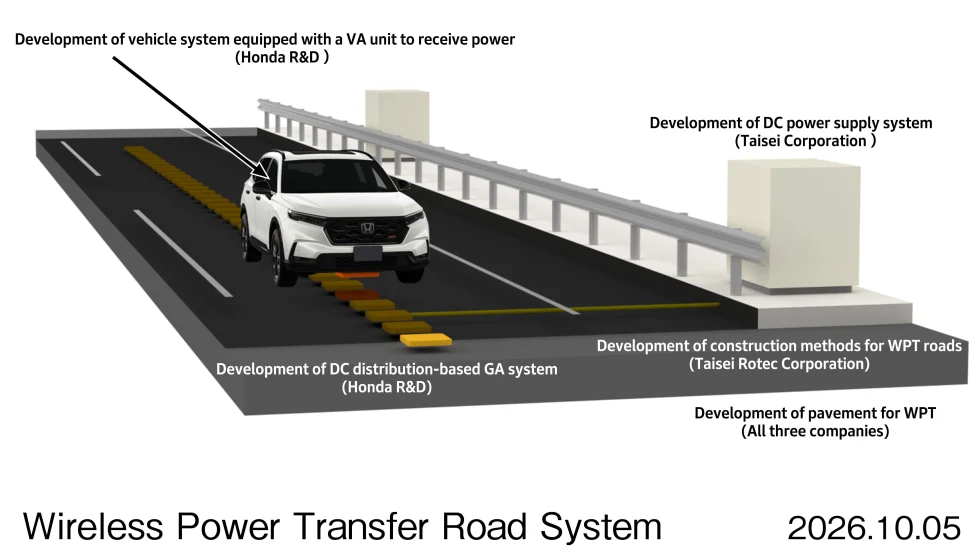
Charging In Motion
Honda has been researching wireless in-motion charging for electric vehicles since 2025, and new technology developments have put it a step closer to a final product.
Read More →
Twin Cities Stores Sell
Minnesota-based Walser Automotive Group made what it called the most significant acquisition in its history with a three-rooftop deal in Minneapolis.
Read More →
U.S. Auto Sales Still Below Prepandemic Levels
Mobility Global industry observers don’t expect the market to return to the higher volumes that became routine before Covid but to stay well below its potential.
Read More →
The Powertrain Shift
Electric-vehicle owners are backpedaling, according to new data, with product availability driving many to shift back to gas-powered engines.
Read More →
Achromatic Autos
The shades that dominate the U.S. car market don’t call attention to themselves, though grayscale may have plateaued after a 30-year upswing, research shows.
Read More →
Used-Vehicle Affordability Worsens
Listing prices in August defied seasonal trends, rising above $27,000 for the second time this year.
Read More →