


EV Makers Pressed to Keep AM Radio in Models
Ex-FEMA heads say it’s a public safety issue.

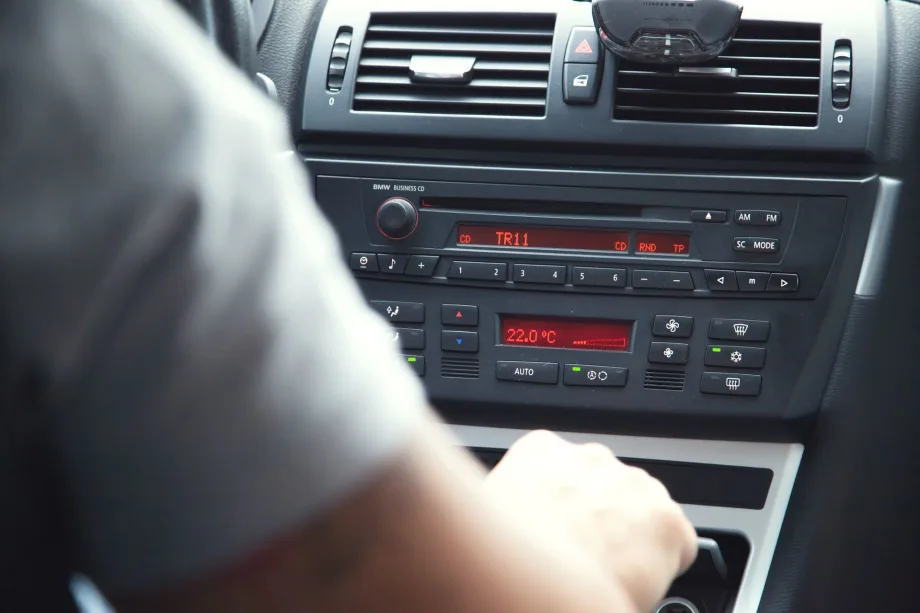
Some EV makers continue to install AM in their models, including Toyota, which said it’s a “challenge” to maintain in EVs.
IMAGE: SplitShire
Former administrators of the Federal Emergency Management Agency are imploring carmakers to restore AM radio in their electric models for emergency purposes, according to a Wall Street Journal report.
Brands have eliminated the formerly standard feature from later models because they say the vehicles’ motors produce electromagnetic frequencies on the same wavelength as AM signals, creating interference that leads to signal fading and buzzing sounds.
But ex-FEMA heads say AM is needed in case of emergency so occupants can hear broadcasted safety alerts.
The former executives wrote a letter to Transportation Secretary Pete Buttigieg and some congressional committees, pressing them to obtain assurances from carmakers that they’ll include AM radio in EVs.
They said AM is foundational in the federal National Public Warning System that keeps the public informed during natural disasters and extreme weather, continuing to operate when other systems can fail. Cellphone and other internet technology isn’t as reliable, the ex-executives said in the letter.
FEMA said that more than 75 radio stations, most on the AM band and reaching at least 90% of the U.S. population, have backup equipment allowing them to continue broadcasting in an emergency.
Some EV makers continue to install AM in their models, including Toyota, which said it’s a “challenge” to maintain in EVs, the Wall Street Journal said. Others, including Ford, have eliminated it from at least some models.
Industry group the Alliance for Automotive Innovation said it’s committed to protecting access to safety alerts, according to a letter to Sen. Ed Markey, D-Mass., who wrote EV makers late last year to ask about their plans for AM in EVs, the report indicated.
Originally posted on Auto Dealer Today
More Industry

Badger State Dealership Gets New Owner
The longtime southern Wisconsin store moved from one area auto group to another, keeping the business in Dairyland.
Read More →
The Cycle of Negative Equity
Third-quarter data shows consumers still rolling over debt and stretching loan terms, raising their risk of remaining underwater.
Read More →
Charger Network Growth Slows
Despite a projected increase in public EV chargers in 2026, charging infrastructure remains a top concern for consumers as the gap between the most and least EV-friendly places remains substantial.
Read More →
Lenders, Consumers Take on More Auto Loan Risk
September records loosened credit access the most in over a decade as buyers took advantage of the conditions to afford trading, though loan applications fell.
Read More →
Next-Gen Hybrids in Sight
Dealerships can expect to see revamped hybrids from Honda next year as the company rolls out a new system and model lineup.
Read More →
Gem State Stores Change Hands
A larger auto group founded in the industry’s early years sold two franchises to a neighbor group that's on a growth spurt.
Read More →
Charging In Motion
Honda has been researching wireless in-motion charging for electric vehicles since 2025, and new technology developments have put it a step closer to a final product.
Read More →
Twin Cities Stores Sell
Minnesota-based Walser Automotive Group made what it called the most significant acquisition in its history with a three-rooftop deal in Minneapolis.
Read More →
U.S. Auto Sales Still Below Prepandemic Levels
Mobility Global industry observers don’t expect the market to return to the higher volumes that became routine before Covid but to stay well below its potential.
Read More →
The Powertrain Shift
Electric-vehicle owners are backpedaling, according to new data, with product availability driving many to shift back to gas-powered engines.
Read More →