


EV Tax Credit Rules to Tighten
Restrictions taking effect next month will eliminate some models from eligibility due to battery material sourcing outside the new parameters.

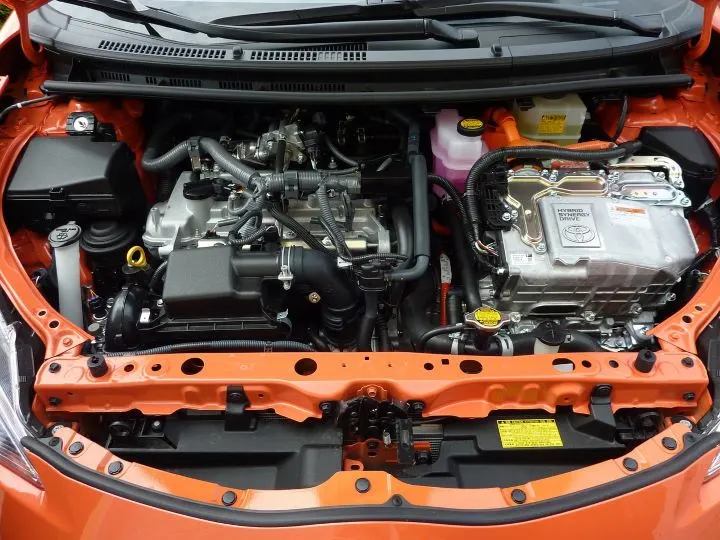
Once new battery-sourcing rules take effect next month, some previously eligible EV models will no longer comply.
IMAGE: Pixabay/Photoman
Federal tax credits for new electric-vehicle purchases will soon tighten, eliminating many models from eligibility.
Starting April 18, the credits will shrink or be eliminated for some models.
Treasury Department guidance introduced on Friday lays out specific requirements for vehicles to be eligible for up to $7,500 in tax credits that have already spurred consumers to buy electric.
The credits were authorized in the Inflation Reduction Act passed last year and are aimed at greater EV adoption in an effort to reduce environmentally harmful emissions.
Tightening the rules around qualification for the credits is intended to steer carmakers away from EV battery supply chains in China, which has a significant share of the market for minerals needed for the batteries’ manufacture.
Under the act’s foundational requirements already in place, EVs must undergo final assembly in North America, and be under certain price levels per vehicle category, while buyers’ income is capped for tax credit eligibility.
Now battery material sourcing limits will be added next month, essentially determining which EV models qualify for the credits based on where their materials were sourced.
Depending on the material, the new restrictions get tighter each year. By 2027, 80% of “critical” minerals in EVs batteries must be sourced, processed or recycled in the U.S. or in a free-trade partner of the U.S. And by 2028, 90% of the value of a battery’s components must be made or assembled in North America.
Until now, credit eligibility has been determined using the requirements not involving battery components. Meanwhile, the Treasury Department was hammering out the parameters of the latter. So once those take effect next month, some previously eligible EV models will no longer comply.
Originally posted on Auto Dealer Today
More Industry
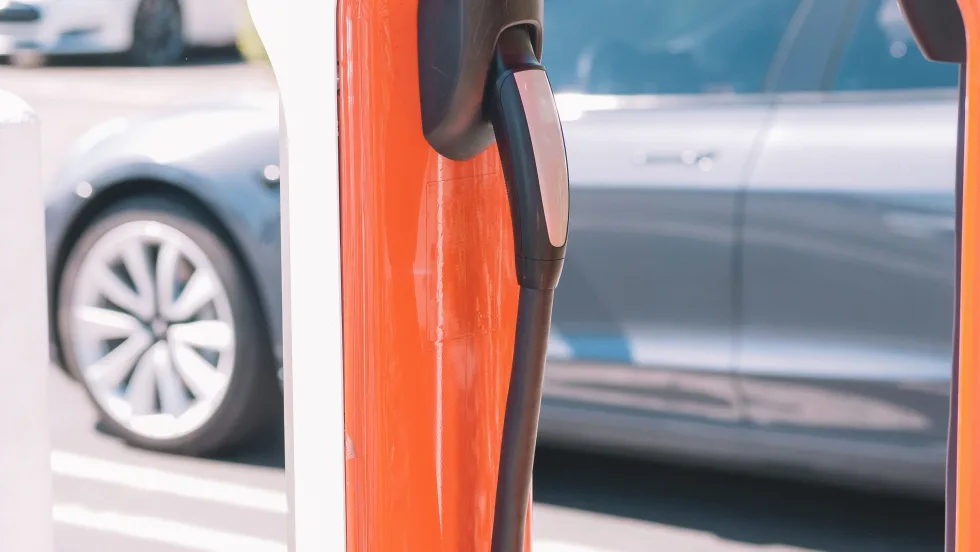
Charger Network Growth Slows
Despite a projected increase in public EV chargers in 2026, charging infrastructure remains a top concern for consumers as the gap between the most and least EV-friendly places remains substantial.
Read More →
Lenders, Consumers Take on More Auto Loan Risk
September records loosened credit access the most in over a decade as buyers took advantage of the conditions to afford trading, though loan applications fell.
Read More →
Next-Gen Hybrids in Sight
Dealerships can expect to see revamped hybrids from Honda next year as the company rolls out a new system and model lineup.
Read More →
Gem State Stores Change Hands
A larger auto group founded in the industry’s early years sold two franchises to a neighbor group that's on a growth spurt.
Read More →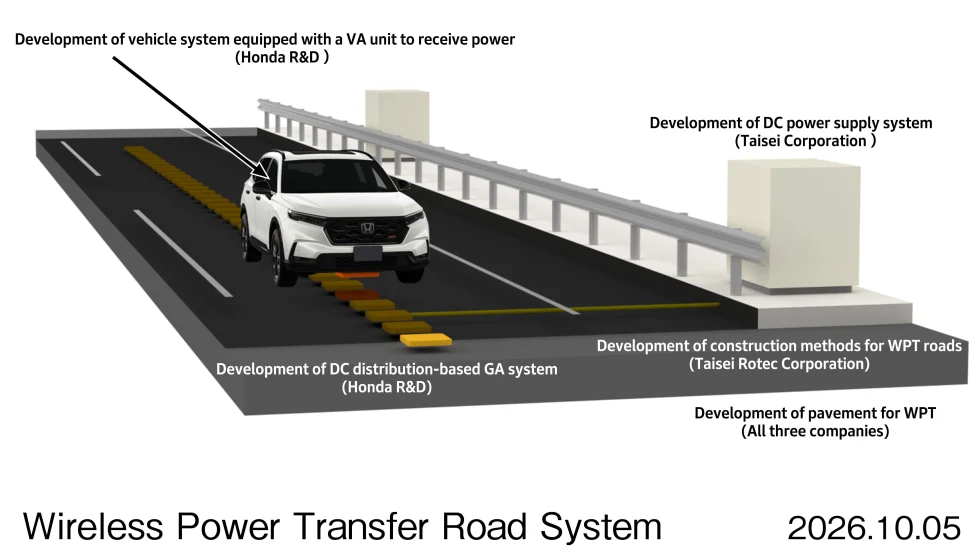
Charging In Motion
Honda has been researching wireless in-motion charging for electric vehicles since 2025, and new technology developments have put it a step closer to a final product.
Read More →
Twin Cities Stores Sell
Minnesota-based Walser Automotive Group made what it called the most significant acquisition in its history with a three-rooftop deal in Minneapolis.
Read More →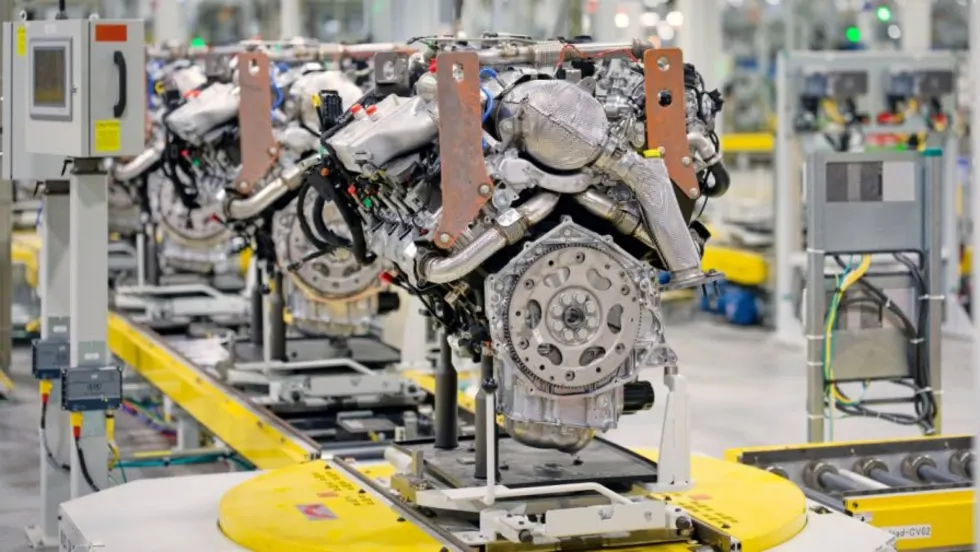
U.S. Auto Sales Still Below Prepandemic Levels
Mobility Global industry observers don’t expect the market to return to the higher volumes that became routine before Covid but to stay well below its potential.
Read More →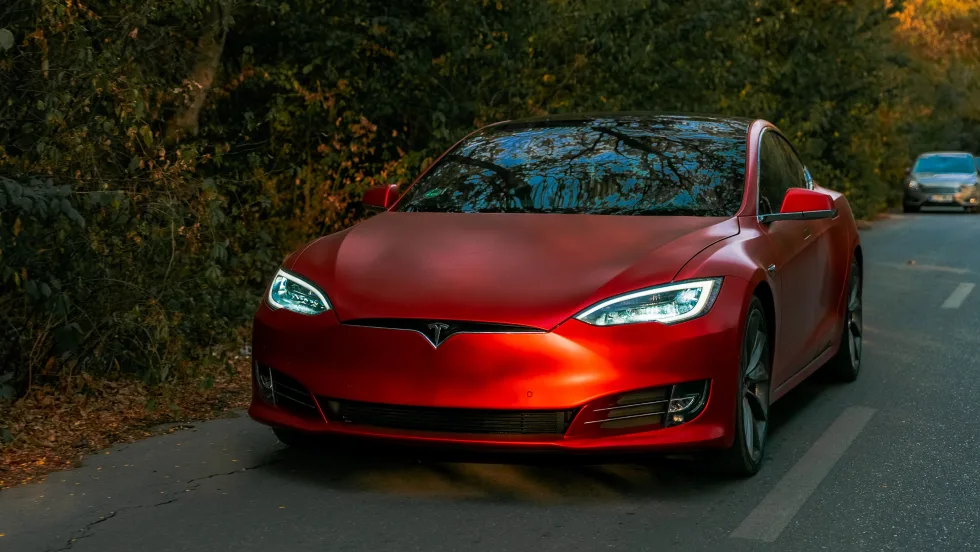
The Powertrain Shift
Electric-vehicle owners are backpedaling, according to new data, with product availability driving many to shift back to gas-powered engines.
Read More →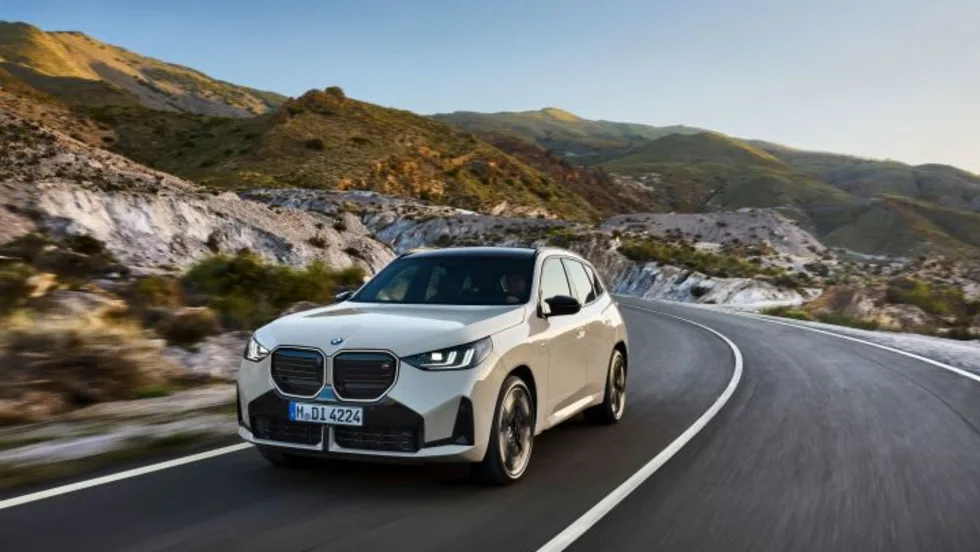
Achromatic Autos
The shades that dominate the U.S. car market don’t call attention to themselves, though grayscale may have plateaued after a 30-year upswing, research shows.
Read More →
Used-Vehicle Affordability Worsens
Listing prices in August defied seasonal trends, rising above $27,000 for the second time this year.
Read More →