


Experts Weigh the Pros and Cons of Biden’s EV Grants
Some say the grants will provide a needed boost to EV adoption while others warn it will fail as previous policies did during the Obama Administration.

Creative Commons
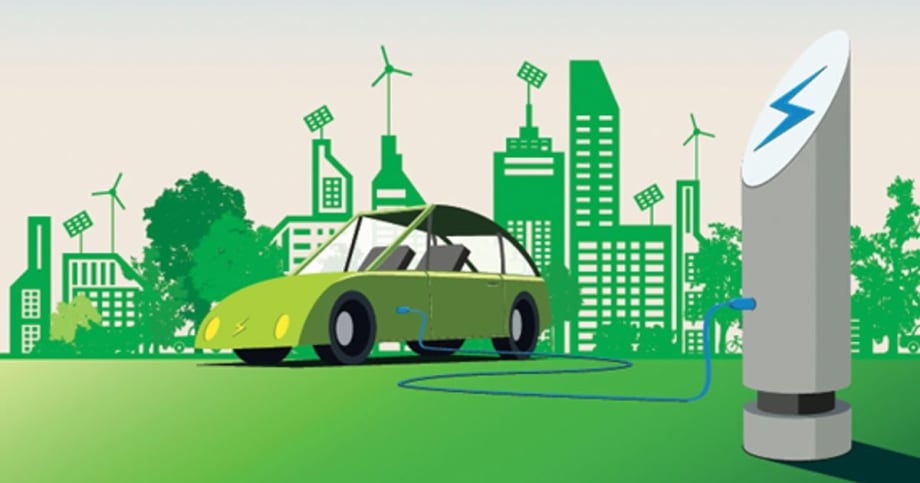
The $550 billion bipartisan infrastructure bill signed into law last week includes $6 billion in federal grants for companies making batteries or processing materials for the components they use.
The legislation will allow the Energy Department to dole out $50 million or $100 million matching grants to applicants over five years, giving priority to companies owned and operated in the U.S., with North American intellectual property. Companies that create jobs in low-income areas, or reduce greenhouse gas emissions, get preference too.
These provisions are designed to address the fact that the U.S. doesn’t produce the materials needed to make batteries and lacks the capacity to process them. China controls over half the global capacity to refine battery metals, and 80% of cell manufacturing, according to BloombergNEF.
The $6 billion will not close this gap, but the grants will lower risks of investing in the EV supply chain. The financing will help companies add capacity before they have the customers to justify it.
This harkens President Obama policy in 2009. In this case the president earmarked $90 billion for clean energy investments and tax breaks to pull the U.S. out of the Great Recession. Tesla received a $465 million loan from the DOE to develop a plant in Fremont, California. A123 Systems also received funds. This battery manufacturer eventually went bankrupt and was acquired by a Chinese company.
Today, one startup, Imperium3 New York, uses equipment purchased from A123 and transported from Michigan to a factory in upstate New York. It plans to start battery production next year.
Peter Adriaens, a professor of entrepreneurship at the University of Michigan, criticized the DOE loans in 2012 but is in favor of today’s loans, even if some firms are bound to fail. “What we do have now that we didn’t have in 2009 is a lot more market demand,” he told Bloomberg.
But for many, the infrastructure bill feels a resurrection of Obama’s failed policy. Mike McKenna, who served as an adviser to President Trump on energy issues, told Bloomberg that Biden’s initiative will fail because its scale is woefully inadequate, and predicts the push toward EVs will increase the country’s dependence on China.
Still, the bill’s advocates say the U.S. must engage in this policy if it wants to avoid battery shortages, price spikes, and manipulation by China.
“If we don’t try and we don’t put this investment in, we won’t have an industry here period,” Ben Steinberg, a DOE veteran-turned-lobbyist who pushed for the battery provisions in the bill, told Bloomberg. “This is a long road, and we need to be able to have a little bit of grit here as a nation, and determination that even if things don’t go as planned, we still continue on the course to building a sustainable North American industry.”
Originally posted on Auto Dealer Today
More Industry

Achromatic Autos
The shades that dominate the U.S. car market don’t call attention to themselves, though grayscale may have plateaued after a 30-year upswing, research shows.
Read More →
Used-Vehicle Affordability Worsens
Listing prices in August defied seasonal trends, rising above $27,000 for the second time this year.
Read More →
First-Half Dealership Deals Up
Buy-sell activity shows that acquirers are looking for value and scale as many retailers seek to leave an increasingly competitive and complex market, Kerrigan Advisors reports.
Read More →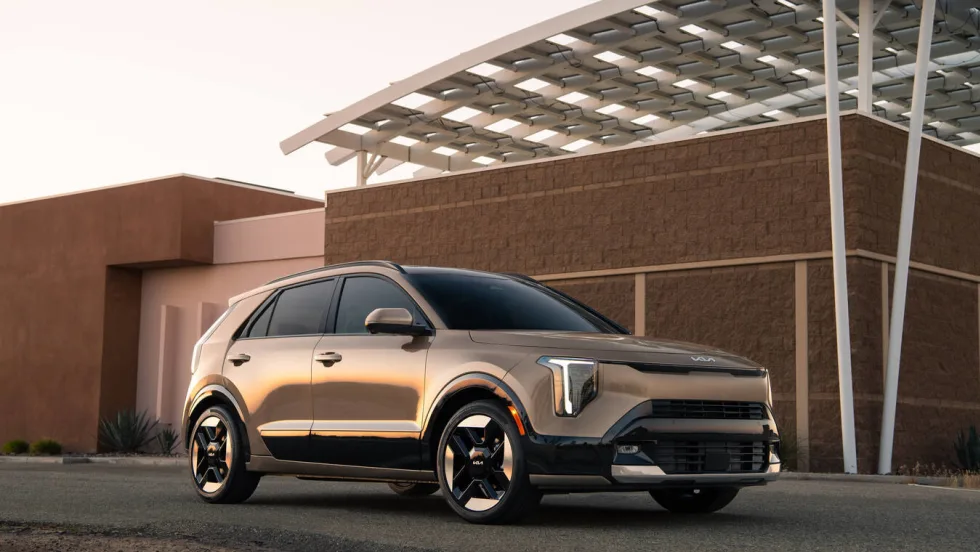
Kia Closes Out Summer With a Bang
Its U.S. subsidiary broke multiple records in August, in part due to a surge of demand for hybrids models.
Read More →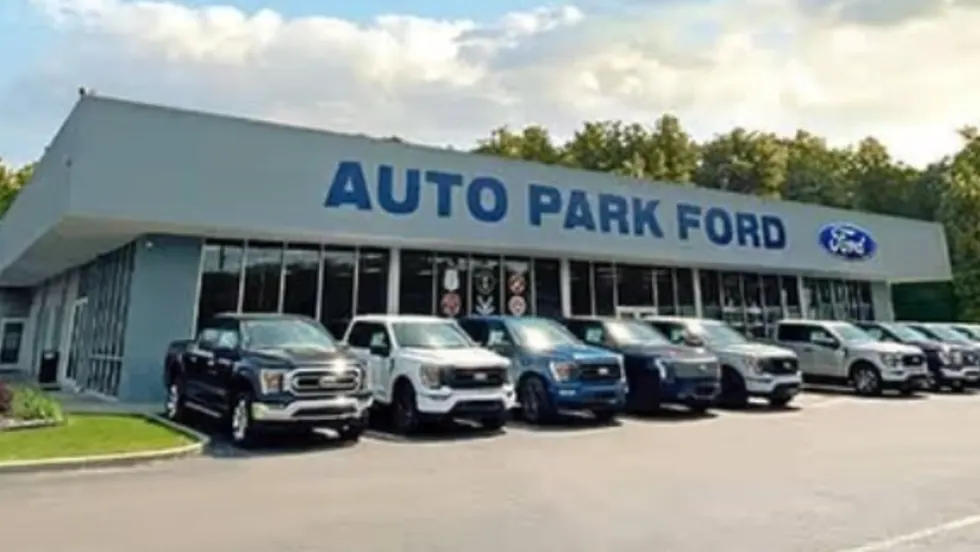
Indiana Dealership Changes Hands
A 30-year-old Ford dealership in Indiana has a new owner and will soon be undergoing renovations to meet manufacturer requirements.
Read More →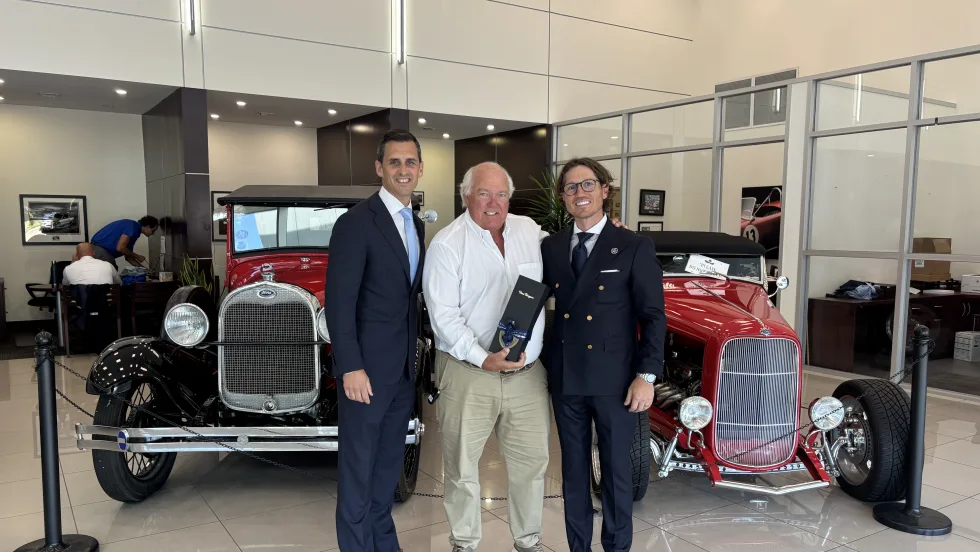
Texas Dealership No Longer in the Family
The Ford store, a longtime cornerstone of the Houston market, is now part of one of the fastest-growing U.S. auto groups.
Read More →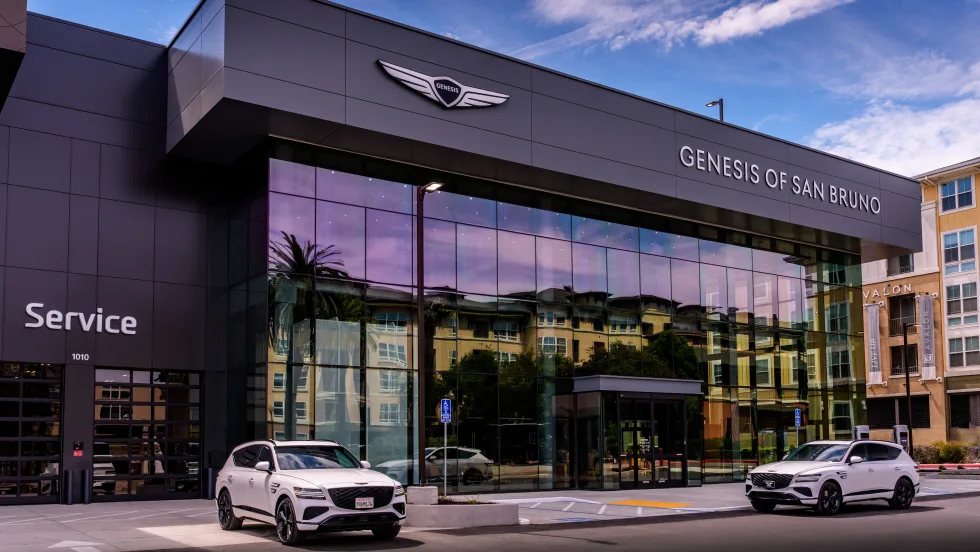
Genesis Grows California Presence
The Cardinale Automotive Group opened its third Genesis rooftop in the Golden State, Genesis of San Bruno, a stand-alone dealership serving the San Francisco Bay Area.
Read More →
August Auto Sales a Mixed Bag
An early forecast shows strong business despite consumer hurdles, and hybrids are a big piece of their affordability coping strategy.
Read More →
EV Market Humming Along
July sales show steady growth as the segment stabilizes from last year’s artificial surge following pullback of federal support.
Read More →
Auto Loan Delinquency Rates Stabilize
Auto loans are a main driver of nonmortgage consumer debt, but delinquency rates stabilized in the second quarter across all credit risk tiers.
Read More →