


Fed Cuts Interest Rates Again, Stock Market Responds
Stock are on the rise following the second quarter-point reduction to the federal funds rate in less than two months. No further cuts are planned for this year or next, guaranteeing further pressure from the White House.

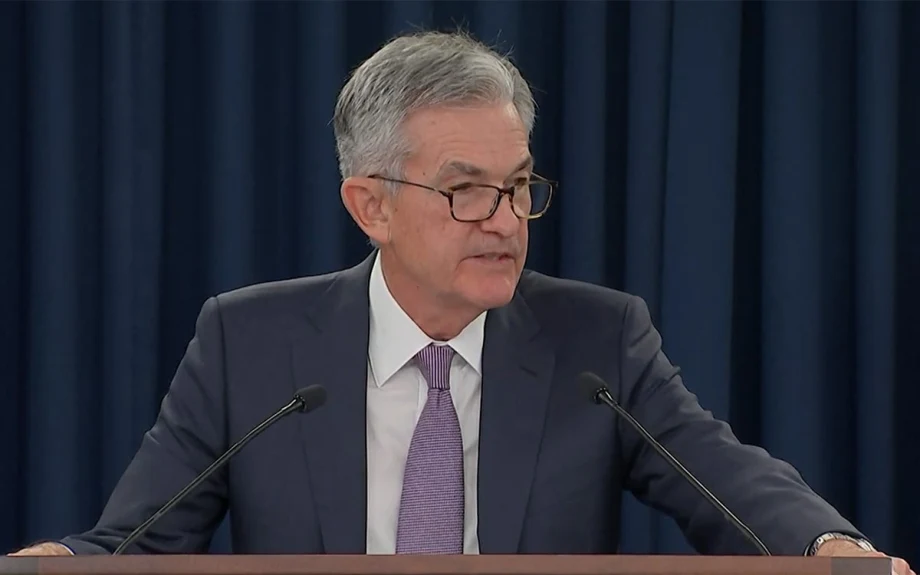
Federal Reserve Board Chairman Jerome Powell announced a quarter-point reduction to the federal funds rate Wednesday.
WASHINGTON — The Federal Reserve reduced the target federal funds rate to 1.75% Wednesday, its second quarter-point reduction since late July. The July cut was the first since 2008, but neither was unexpected. The Fed and its chairman, Jerome Powell, have pledged to take all appropriate steps to maintain consumer confidence in the face of economic uncertainty.
“There may come a time when the economy weakens and we would then have to cut more aggressively,” Powell said Wednesday. “We don’t know. We’re going to be watching things carefully, the incoming data and the evolving situation.”
Read: Cornered Fed Announces First Rate Cut Since 2008
President Donald Trump has pushed for a cut to zero or negative interest rates. In a tweet, he berated the chairman he appointed in 2017.
“Jay Powell and the Federal Reserve Fail Again,” Trump wrote. “No ‘guts,’ no sense, no vision! A terrible communicator!”
Stocks fell yesterday before rebounding to end slightly higher. Thursday morning, encouraging gains were reported by the Dow (0.3%), S&P 500 (0.3%), and Nasdaq Composite (0.5%) indices.
“We’re going to be highly independent; as always, our decisions are going to depend on the implications of incoming information.”
The official report that followed the announcement forecasted no further cuts in 2019 or 2020, but it is difficult to predict the Fed’s next move. Market watchers agree officials will likely hold further cuts in reserve as inflation remains below the central bank’s 2% target, global manufacturing rates continue to slide, and hot spots flare up in Britain (Brexit uncertainty), Germany (urgent recession fears), and China (trade war).
“We are committed to making the best decisions we can based on facts and objective analysis. Today, we decided to lower interest rates,” Powell said at a press conference. “… We’re going to be highly independent; as always, our decisions are going to depend on the implications of incoming information for the outlook. And I would also say, as we often do, that we’re not on a preset course.”
Read: Escalating Finance Costs Drive 24% Spike in TCO
Cox Automotive’s chief economist, Jonathan Smoke, said he didn’t expect the Fed’s latest move to match the impact of the July cut for auto manufacturers or dealers.
“Short-term rate policy does not directly impact longer-term rates on consumer loans like mortgages and vehicle loans,” Smoke wrote in a statement, noting a “risk premium” accounts for the divergence between auto finance and the mortgage and bond segments. “About 20% of auto finance is subprime. While the 10-year Treasury yield was dropping in August, subprime auto loan rates increased on average by more than 20 basis points.”
Originally posted on F&I and Showroom
More Industry

Charger Network Growth Slows
Despite a projected increase in public EV chargers in 2026, charging infrastructure remains a top concern for consumers as the gap between the most and least EV-friendly places remains substantial.
Read More →
Lenders, Consumers Take on More Auto Loan Risk
September records loosened credit access the most in over a decade as buyers took advantage of the conditions to afford trading, though loan applications fell.
Read More →
Next-Gen Hybrids in Sight
Dealerships can expect to see revamped hybrids from Honda next year as the company rolls out a new system and model lineup.
Read More →
Gem State Stores Change Hands
A larger auto group founded in the industry’s early years sold two franchises to a neighbor group that's on a growth spurt.
Read More →
Charging In Motion
Honda has been researching wireless in-motion charging for electric vehicles since 2025, and new technology developments have put it a step closer to a final product.
Read More →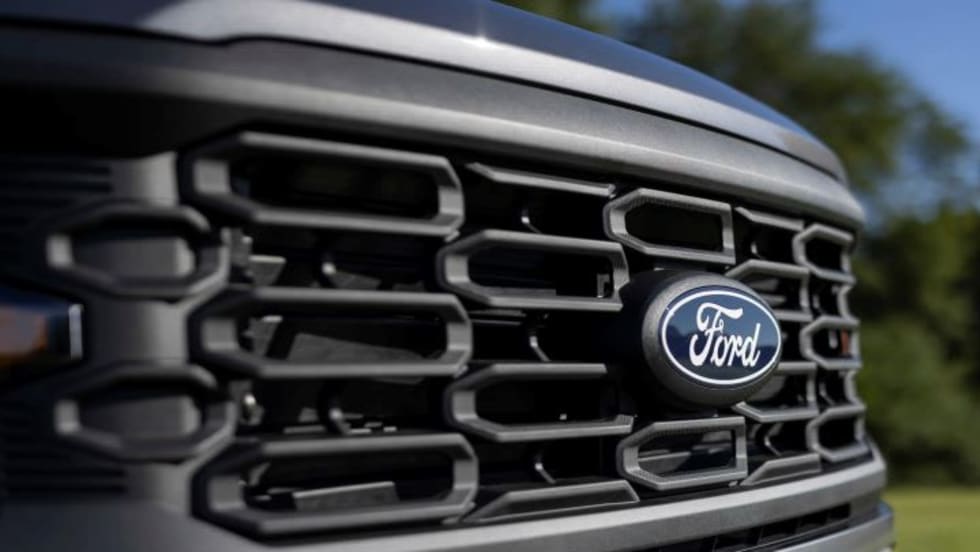
Twin Cities Stores Sell
Minnesota-based Walser Automotive Group made what it called the most significant acquisition in its history with a three-rooftop deal in Minneapolis.
Read More →
U.S. Auto Sales Still Below Prepandemic Levels
Mobility Global industry observers don’t expect the market to return to the higher volumes that became routine before Covid but to stay well below its potential.
Read More →
The Powertrain Shift
Electric-vehicle owners are backpedaling, according to new data, with product availability driving many to shift back to gas-powered engines.
Read More →
Achromatic Autos
The shades that dominate the U.S. car market don’t call attention to themselves, though grayscale may have plateaued after a 30-year upswing, research shows.
Read More →
Used-Vehicle Affordability Worsens
Listing prices in August defied seasonal trends, rising above $27,000 for the second time this year.
Read More →