


Federal Rule Pushes States to Cut Highway Pollution
States aren’t tied to particular numbers but will get funds to make strides.


There are $27 billion in federal funds to support pollution-cutting programs.
IMAGE: Pexels/Pixabay
The Biden administration finalized a rule requiring states to cut transportation-generated greenhouse gas emissions with the leeway to set their own target reductions.
The Federal Highway Administration will give states a performance measure to track emissions.
“Every state has its own unique climate challenges, and every state ought to have the data, funding, and flexibility it needs to meet those challenges head on,” said U.S. Transportation Secretary Buttigieg said in a press release on the new measure.
The rule comes without a stick – it includes no penalties for missing target reductions – but there is a carrot of $27 billion in federal funds to support pollution-cutting programs.
Funding examples include:
A $5 billion electric-vehicle infrastructure program to help states build a national charging network.
Another $5 billion to replace public buses with no-emissions electric and other low- or no-emissions models.
A Congestion Relief Program of $250 million in competitive money to develop “innovative, multimodal solutions” to reduce traffic congestion and “related economic and environmental costs” in major metropolitan areas.
States will be required to regularly report on their progress in cutting emissions.
The rule is a good step to protect the environment, said Natural Resources Defense Council Director of Federal Transportation Shruti Vaidyanathan.
“It’s way past time for officials to measure the impact of public spending and come up with ways to make it better. Just paving more, new lanes of highways is not the answer. The key is making sure the funds are spent on highway repairs and on alternatives such as charging stations, public transit, and bike lanes.”
Originally posted on Auto Dealer Today
More Industry
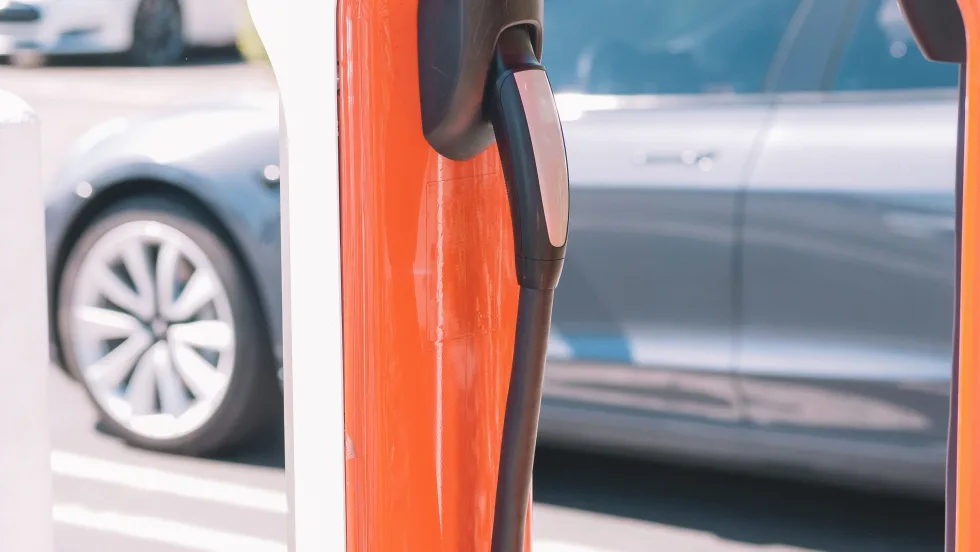
Charger Network Growth Slows
Despite a projected increase in public EV chargers in 2026, charging infrastructure remains a top concern for consumers as the gap between the most and least EV-friendly places remains substantial.
Read More →
Lenders, Consumers Take on More Auto Loan Risk
September records loosened credit access the most in over a decade as buyers took advantage of the conditions to afford trading, though loan applications fell.
Read More →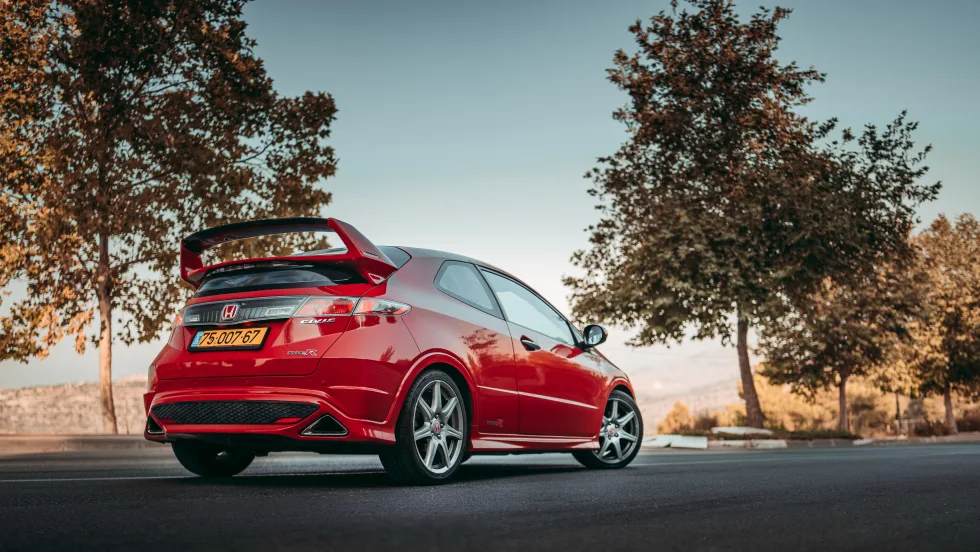
Next-Gen Hybrids in Sight
Dealerships can expect to see revamped hybrids from Honda next year as the company rolls out a new system and model lineup.
Read More →
Gem State Stores Change Hands
A larger auto group founded in the industry’s early years sold two franchises to a neighbor group that's on a growth spurt.
Read More →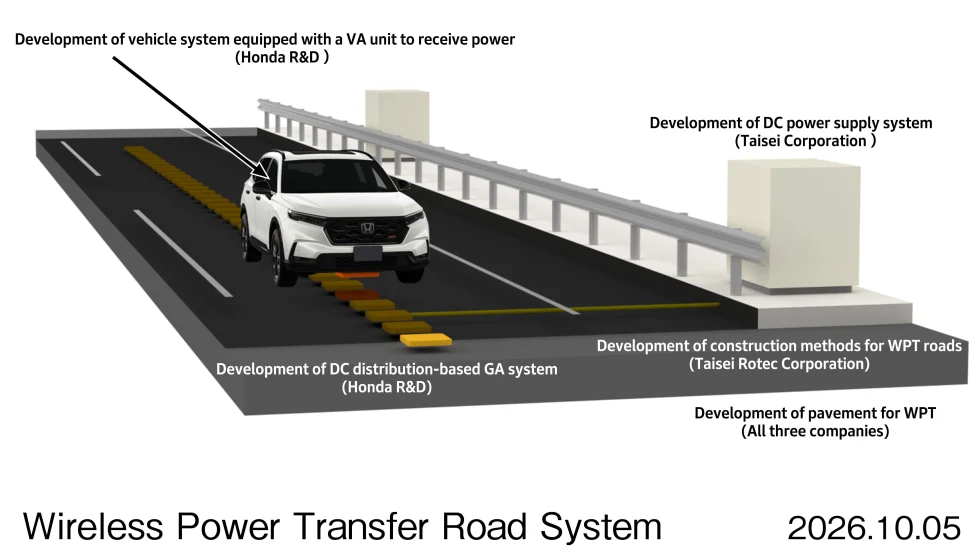
Charging In Motion
Honda has been researching wireless in-motion charging for electric vehicles since 2025, and new technology developments have put it a step closer to a final product.
Read More →
Twin Cities Stores Sell
Minnesota-based Walser Automotive Group made what it called the most significant acquisition in its history with a three-rooftop deal in Minneapolis.
Read More →
U.S. Auto Sales Still Below Prepandemic Levels
Mobility Global industry observers don’t expect the market to return to the higher volumes that became routine before Covid but to stay well below its potential.
Read More →
The Powertrain Shift
Electric-vehicle owners are backpedaling, according to new data, with product availability driving many to shift back to gas-powered engines.
Read More →
Achromatic Autos
The shades that dominate the U.S. car market don’t call attention to themselves, though grayscale may have plateaued after a 30-year upswing, research shows.
Read More →
Used-Vehicle Affordability Worsens
Listing prices in August defied seasonal trends, rising above $27,000 for the second time this year.
Read More →