


Feds: Traffic Crashes Cost U.S. $99 Billion Annually

ATLANTA - In a one-year period, the cost of medical care and productivity losses associated with injuries from motor vehicle crashes exceeded $99 billion – with the cost of direct medical care accounting for $17 billion, according to a study by the Centers for Disease Control and Prevention.
The total annual cost amounts to nearly $500 for each licensed driver in the United States, said the study in the journal Traffic Injury Prevention.
The one-year costs of fatal and non-fatal crash-related injuries totaled $70 billion (71 percent of total costs) for people riding in motor vehicles, such as cars and light trucks, $12 billion for motorcyclists, $10 billion for pedestrians, and $5 billion for bicyclists, the study said.
"Every 10 seconds, someone in the United States is treated in an emergency department for crash-related injuries, and nearly 40,000 people die from these injuries each year. This study highlights the magnitude of the problem of crash-related injuries from a cost perspective, and the numbers are staggering," said Dr. Grant Baldwin, director of CDC's Division of Unintentional Injury Prevention, National Center for Injury Prevention and Control.
The study also found:
More men were killed (70 percent) and injured (52 percent) in motor vehicle crashes than women. Injuries and deaths among men represented 74 percent ($74 billion) of all costs.
Teens and young adults made up 28 percent of all fatal and nonfatal motor vehicle injuries and 31 percent of the costs ($31 billion). These young people represented only 14 percent of the U.S. population.
Motorcyclists made up 6 percent of all fatalities and injuries but 12 percent of the costs, likely due to the severity of their injuries.
More Industry
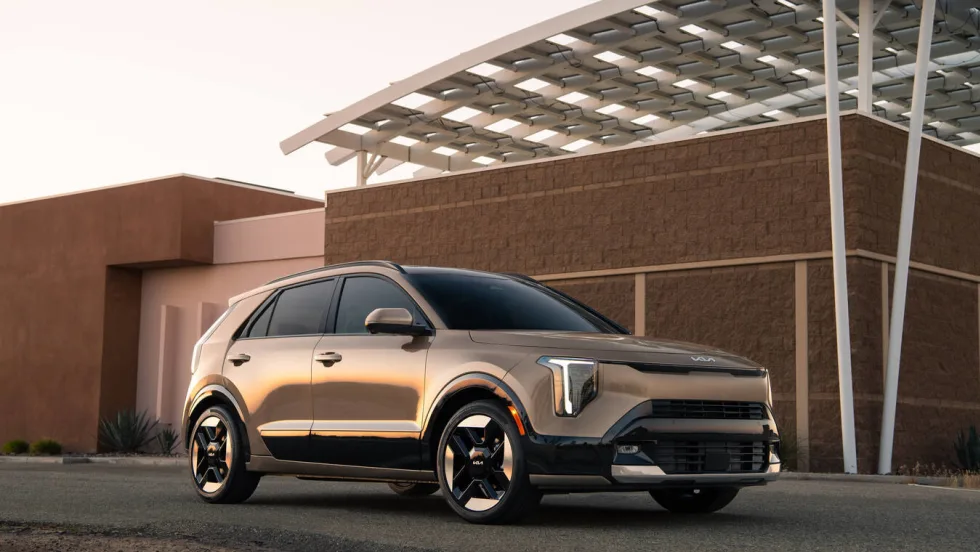
Kia Closes Out Summer With a Bang
Its U.S. subsidiary broke multiple records in August, in part due to a surge of demand for hybrids models.
Read More →
Indiana Dealership Changes Hands
A 30-year-old Ford dealership in Indiana has a new owner and will soon be undergoing renovations to meet manufacturer requirements.
Read More →
Texas Dealership No Longer in the Family
The Ford store, a longtime cornerstone of the Houston market, is now part of one of the fastest-growing U.S. auto groups.
Read More →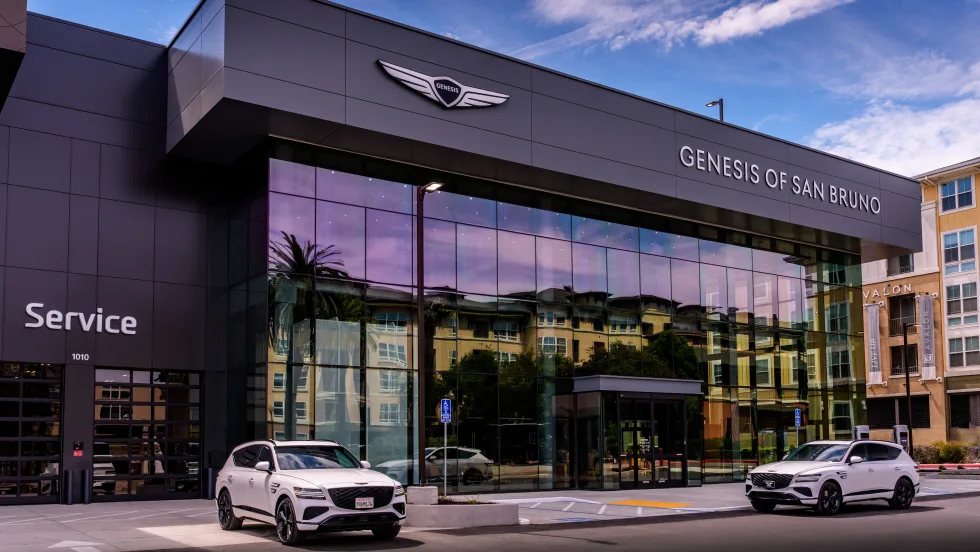
Genesis Grows California Presence
The Cardinale Automotive Group opened its third Genesis rooftop in the Golden State, Genesis of San Bruno, a stand-alone dealership serving the San Francisco Bay Area.
Read More →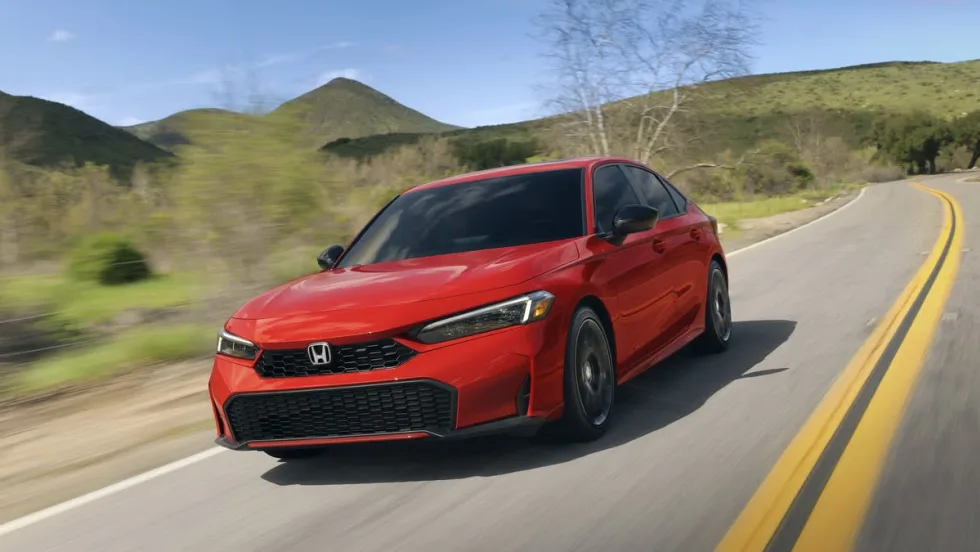
August Auto Sales a Mixed Bag
An early forecast shows strong business despite consumer hurdles, and hybrids are a big piece of their affordability coping strategy.
Read More →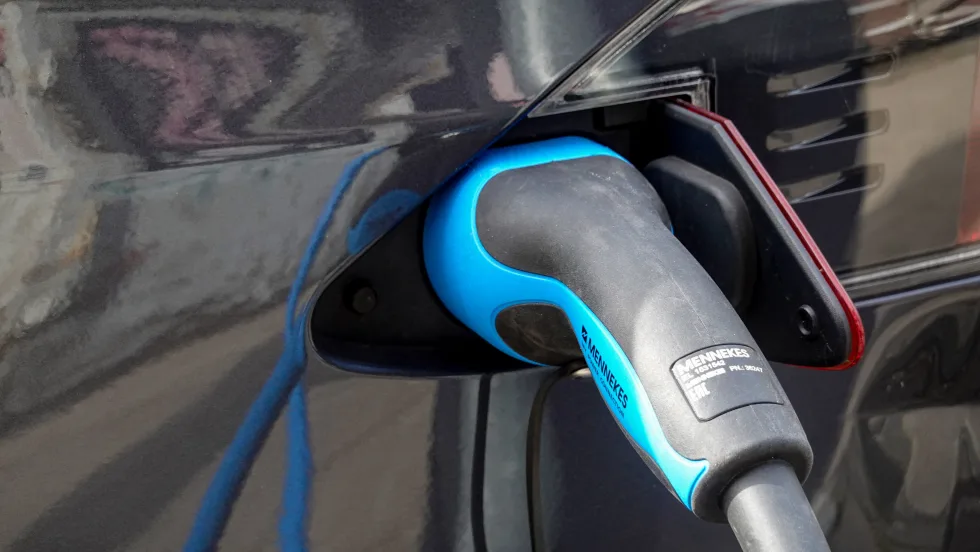
EV Market Humming Along
July sales show steady growth as the segment stabilizes from last year’s artificial surge following pullback of federal support.
Read More →
Auto Loan Delinquency Rates Stabilize
Auto loans are a main driver of nonmortgage consumer debt, but delinquency rates stabilized in the second quarter across all credit risk tiers.
Read More →
EV Sales Recover in Q2
The EV sales roller coaster continues as numbers show improvement, but industry experts predict a year-over-year third-quarter decline and fourth-quarter jump.
Read More →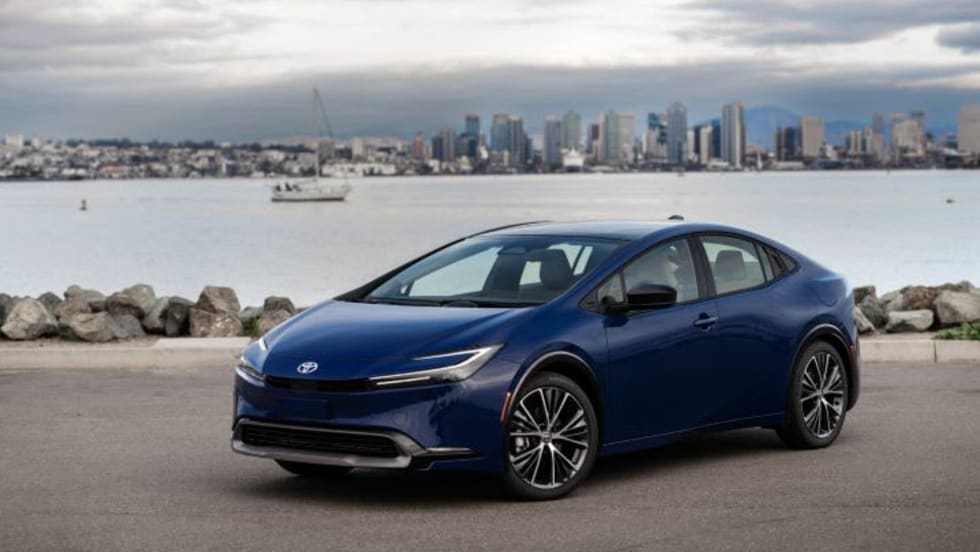
The Cheapest Hybrids to Fuel
The powertrain is increasing in popularity, in no small part due to its fuel economy. A new report lists the most efficient hybrids on the market.
Read More →
Hybrids and SUVs Gaining Ground
The most recent Kelley Blue Book Brand Watch found that only two nonluxury brands increased in shopper consideration, buoyed by their hybrid and SUV offerings.
Read More →