


Ford Has 'Options' to Improve Credit Rating, Mulally Says

DETROIT - Ford Motor Co. sees "great options" to improve its balance sheet and return to an investment-grade credit rating as its financial results continue to strengthen, CEO Alan Mulally said.
Mulally affirmed forecasts for a "solid profit" in 2010 and said cost savings from using common global platforms, growing market share and improving pricing would deliver greater profits in 2011 and beyond, Reuters reported.
"The No. 1 strategy we're pursuing is to continually improve operational performance. That allows us to accelerate [balance sheet] improvement. It gives great options to do that," Mulally told analysts in a meeting that was webcast.
"We are going to accelerate improvement to get back to investment grade, which is our intent, as quickly as we can," he said.
Ford was first lowered to junk status in 2005 by both Moody's Investors Service and Standard and Poor's. Earlier this month, Moody's raised Ford to B1, its fourth level below investment grade. Standard & Poor's last month kept its B-minus credit rating on Ford, six notches below investment grade, but revised its outlook to “positive” from “stable.” That indicates better than a one-in-three chance of upgrade during the next year.
The No. 2 U.S. automaker, which has divested Jaguar, Aston Martin and Land Rover and is completing the sale of Volvo, continues to evaluate its remaining brands, Mulally said, while declining to comment on the future of its struggling Mercury brand. Sources familiar with the matter said Thursday that Ford is considering a plan to drop Mercury, which Henry Ford's son, Edsel, created during the Great Depression. Mercury's product and marketing investment has decreased in recent years, and its sales have plunged 74 percent since 2000.
"We continue to look at our portfolio and brands as any good business does, but we have nothing new to add today," Mulally said.
More Industry

Charger Network Growth Slows
Despite a projected increase in public EV chargers in 2026, charging infrastructure remains a top concern for consumers as the gap between the most and least EV-friendly places remains substantial.
Read More →
Lenders, Consumers Take on More Auto Loan Risk
September records loosened credit access the most in over a decade as buyers took advantage of the conditions to afford trading, though loan applications fell.
Read More →
Next-Gen Hybrids in Sight
Dealerships can expect to see revamped hybrids from Honda next year as the company rolls out a new system and model lineup.
Read More →
Gem State Stores Change Hands
A larger auto group founded in the industry’s early years sold two franchises to a neighbor group that's on a growth spurt.
Read More →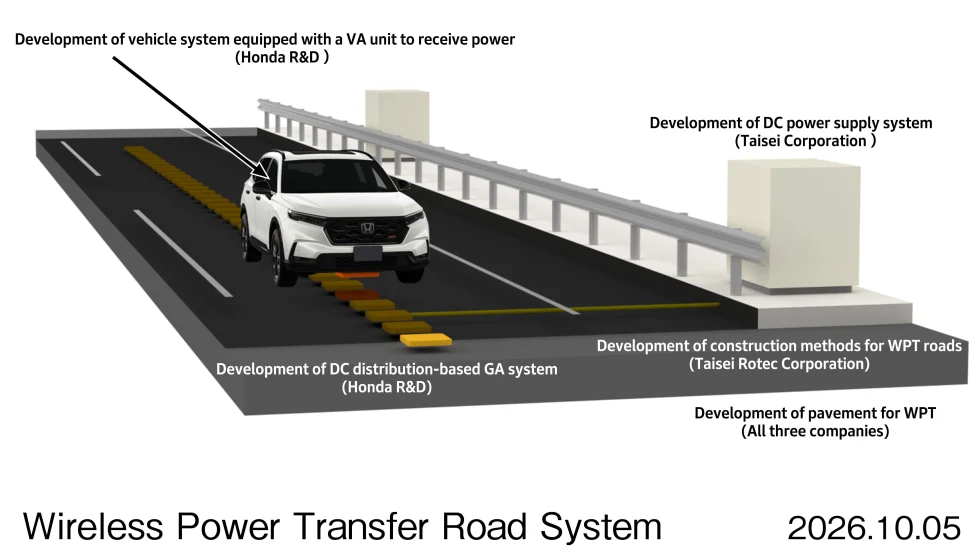
Charging In Motion
Honda has been researching wireless in-motion charging for electric vehicles since 2025, and new technology developments have put it a step closer to a final product.
Read More →
Twin Cities Stores Sell
Minnesota-based Walser Automotive Group made what it called the most significant acquisition in its history with a three-rooftop deal in Minneapolis.
Read More →
U.S. Auto Sales Still Below Prepandemic Levels
Mobility Global industry observers don’t expect the market to return to the higher volumes that became routine before Covid but to stay well below its potential.
Read More →
The Powertrain Shift
Electric-vehicle owners are backpedaling, according to new data, with product availability driving many to shift back to gas-powered engines.
Read More →
Achromatic Autos
The shades that dominate the U.S. car market don’t call attention to themselves, though grayscale may have plateaued after a 30-year upswing, research shows.
Read More →
Used-Vehicle Affordability Worsens
Listing prices in August defied seasonal trends, rising above $27,000 for the second time this year.
Read More →