


G.M. Chief Flatly Dismisses a Merger Overture From Fiat Chrysler

DETROIT — Mary T. Barra, the chief executive of General Motors, on Tuesday firmly rejected the idea that the company could benefit from a combination with a rival automaker like Fiat Chrysler Automobiles, which tried in March to start merger talks with G.M., reports The New York Times.
In remarks made before G.M.’s annual shareholders meeting here, Ms. Barra said the company was committed to remaining independent and continuing its comeback from bankruptcy and a government bailout in 2009.
Yet even as Ms. Barra tried to focus attention on G.M.’s new products and strategic goals, she was dogged by questions about an unwanted merger proposal, as well as probable criminal charges against the company over its long-delayed recall last year of defective small cars linked to at least 111 deaths.
In her strongest comments to date on a potential merger, Ms. Barra said G.M. had no interest in pursuing a deal with Fiat Chrysler, despite a personal appeal made by its chief executive, Sergio Marchionne.
“There was an email that was very much vetted by our management and our board,” Ms. Barra said. “After we reviewed that, we were committed to our plan.”
G.M.’s plan, she said, was to continue to build brands, market share and international operations on its own. Adding a partner is not necessary for one of the world’s biggest auto companies, she said.
“We have scale, and we’re leveraging that scale,” she said. “For the last couple of years, we have really been merging with ourselves.”
G.M. is also trying to move beyond a difficult 2014, in which it recalled about 30 million vehicles in the United States, including 2.6 million small cars with faulty ignition switches that can cause sudden loss in engine power and disable airbags.
Ms. Barra declined to say much about a Justice Department investigation, which is expected to result in a large fine and criminal charges for G.M., according to people with knowledge of the inquiry.
She said that she met with federal investigators last year, and that the company was cooperating fully with the government.
“It is their timeline,” Ms. Barra said. “We are going to continue to cooperate to the fullest extent we can, but beyond that I think anything else is pure speculation.”
As the nation’s biggest automaker, G.M. is accustomed to scrutiny. But last year’s safety crisis intensified the attention.
Now just as G.M. is beginning to regain momentum in the marketplace, its long-term prospects have been clouded by Mr. Marchionne’s outspoken call for industry consolidation.
While Mr. Marchionne has not spoken about G.M. publicly, he suggested in his email to Ms. Barra that a combination of their two companies would save billions of dollars in costs and provide better returns to shareholders.
Ms. Barra bluntly rejected that notion on Tuesday, saying G.M. would sell 10 million vehicles worldwide this year and did not need a partner to improve profits and become more efficient.
“The best thing we can do is to be totally focused on the G.M. shareholder and to execute our plan,” she said.
G.M.’s plan hinges on expanding the Chevrolet and Cadillac brands, and continuing to restructure its chronically unprofitable European operations. Ms. Barra also emphasized that G.M. was pouring more resources into new technology and increasing its commitment to vehicle safety.
Industry analysts are skeptical that a merger would help G.M. One analyst, Brian Johnson of Barclays Capital, said in a research note that a combination with Fiat Chrysler would be a “bad idea,” even though it could temporarily drive up G.M.’s stock price, which has languished despite the company’s commitment in March to a $5 billion stock buyback.
Mr. Johnson pointed out that automakers had had little success in big mergers and alliances, notwithstanding Fiat’s acquisition of Chrysler last year.
He also noted that G.M.’s brands and products overlapped with Fiat Chrysler’s, and that any savings on shared parts and vehicle platforms might take years to achieve. In addition, management of each company could struggle to integrate with the other, as happened when the German automaker Daimler-Benz acquired Chrysler in the late 1990s.
More Industry
Charger Network Growth Slows
Despite a projected increase in public EV chargers in 2026, charging infrastructure remains a top concern for consumers as the gap between the most and least EV-friendly places remains substantial.
Read More →
Lenders, Consumers Take on More Auto Loan Risk
September records loosened credit access the most in over a decade as buyers took advantage of the conditions to afford trading, though loan applications fell.
Read More →
Next-Gen Hybrids in Sight
Dealerships can expect to see revamped hybrids from Honda next year as the company rolls out a new system and model lineup.
Read More →
Gem State Stores Change Hands
A larger auto group founded in the industry’s early years sold two franchises to a neighbor group that's on a growth spurt.
Read More →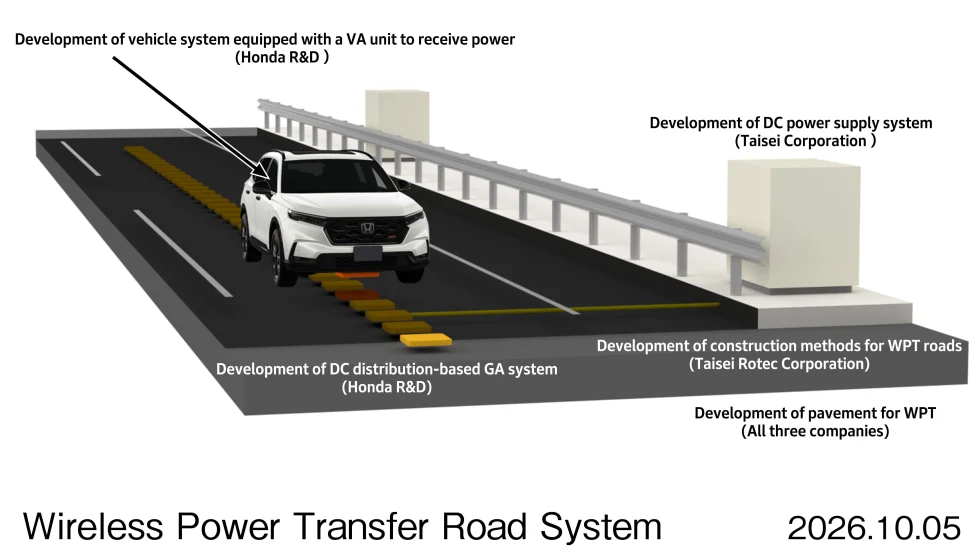
Charging In Motion
Honda has been researching wireless in-motion charging for electric vehicles since 2025, and new technology developments have put it a step closer to a final product.
Read More →
Twin Cities Stores Sell
Minnesota-based Walser Automotive Group made what it called the most significant acquisition in its history with a three-rooftop deal in Minneapolis.
Read More →
U.S. Auto Sales Still Below Prepandemic Levels
Mobility Global industry observers don’t expect the market to return to the higher volumes that became routine before Covid but to stay well below its potential.
Read More →
The Powertrain Shift
Electric-vehicle owners are backpedaling, according to new data, with product availability driving many to shift back to gas-powered engines.
Read More →
Achromatic Autos
The shades that dominate the U.S. car market don’t call attention to themselves, though grayscale may have plateaued after a 30-year upswing, research shows.
Read More →
Used-Vehicle Affordability Worsens
Listing prices in August defied seasonal trends, rising above $27,000 for the second time this year.
Read More →