


GM Wants to Sell to More Subprime Buyers

DETROIT - If your credit isn't good, General Motors Co. still wants to sell you a car.
The problem is, it can't. At least not in big numbers. That's why the automaker wants more control over its lending again, the Associated Press reported.
GM's top North American executive Mark Reuss, under pressure to quickly sell more cars and boost GM's value as it gets ready to sell stock to the public, said a shortage of subprime lending is holding back sales in the U.S.
But the automaker's main lender, Ally Financial Inc., has little appetite for risky loans, having spent the last few years cleaning up its own financial mess caused mainly by its failing mortgage lending business. Both companies are majority-owned by the U.S. government.
For decades, GM owned Ally, writing its own loans through the so-called captive finance arm. Nearly every automaker makes loans in such a fashion. But a cash-starved GM sold most of Ally — formerly known as GMAC — in 2006.
GM and Ally now have a loose partnership that gives Ally control over who gets a car loan. If GM returned to auto lending — either through buying Ally's auto business or starting its own in-house lending unit — it could set lending standards itself. That could benefit the automaker by allowing it to extend loans to people with weaker credit and to more lease customers.
"There's a real sense of urgency on GM's part to maximize its sales" as it gets closer to the stock offering, said Kirk Ludtke, senior vice president of CRT Capital Group in Stamford, Conn.
Subprime buyers make up a significant portion of the car buying market. About 16 percent of all new-vehicle loans written in the fourth quarter of 2009 were to customers with below prime credit, according to credit agency Experian. That means they went to customers with credit scores below 620 on a 300-to-850-point scale.
Reuss, president of GM North America, would not say outright if the automaker was looking to set up its own financing operation. But he said last week that one need only to look at auto loan data to find plenty of good reasons for GM to have control of its own financing.
For example, Honda Motor Co. gets 20 percent of its sales and leases from subprime buyers, he said. GM, on the other hand, gets only 1 percent because it can't access the money to loan to those customers.
"They're able to finance their cars at a much lower level than we are," Reuss said. "I'm not sure what the answer is. But it would sure help my sales, the company's sales in North America, if we were able to get access."
During the recession, lending to subprime customers tumbled as the credit markets froze and delinquencies spiked. Leasing also ground to a halt as the resale values of cars plunged.
Ally has been less than eager to resume lending to risky customers. After GM sold a majority stake in Ally, the lender became heavily involved in the subprime mortgage boom, a move that nearly bankrupted the company when the housing market collapsed. Ultimately, the federal government has spent $16.3 billion to bail out the lender, leaving taxpayers with a 56 percent stake in the former GMAC.
Ally has spent the last year trying to clean up its mess, diversifying its customer base beyond just GM buyers, launching a highly profitable online banking service and working to sell what remains of its mortgage lending business. Earlier in May, the company posted its first quarterly profit in more than a year and rebranded itself as Ally.
More Industry
Charger Network Growth Slows
Despite a projected increase in public EV chargers in 2026, charging infrastructure remains a top concern for consumers as the gap between the most and least EV-friendly places remains substantial.
Read More →
Lenders, Consumers Take on More Auto Loan Risk
September records loosened credit access the most in over a decade as buyers took advantage of the conditions to afford trading, though loan applications fell.
Read More →
Next-Gen Hybrids in Sight
Dealerships can expect to see revamped hybrids from Honda next year as the company rolls out a new system and model lineup.
Read More →
Gem State Stores Change Hands
A larger auto group founded in the industry’s early years sold two franchises to a neighbor group that's on a growth spurt.
Read More →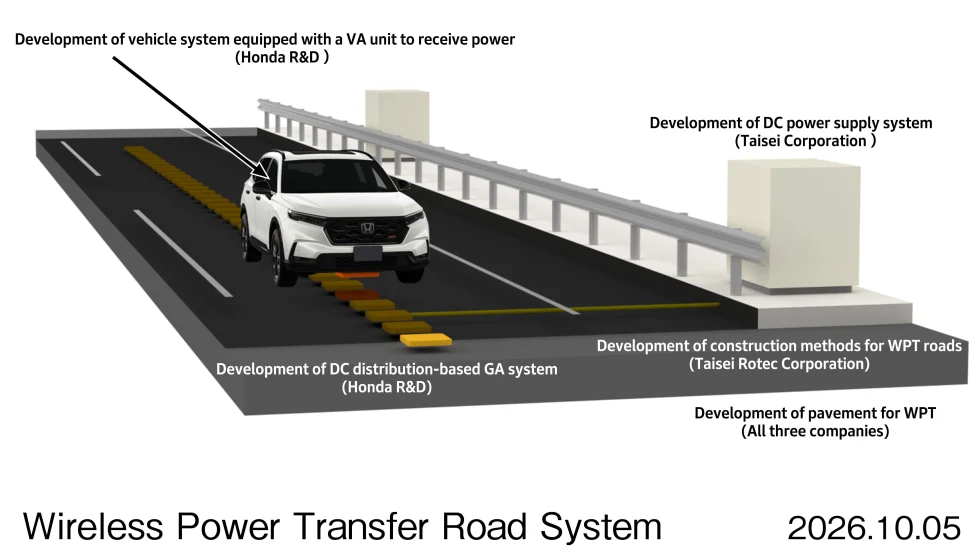
Charging In Motion
Honda has been researching wireless in-motion charging for electric vehicles since 2025, and new technology developments have put it a step closer to a final product.
Read More →
Twin Cities Stores Sell
Minnesota-based Walser Automotive Group made what it called the most significant acquisition in its history with a three-rooftop deal in Minneapolis.
Read More →
U.S. Auto Sales Still Below Prepandemic Levels
Mobility Global industry observers don’t expect the market to return to the higher volumes that became routine before Covid but to stay well below its potential.
Read More →
The Powertrain Shift
Electric-vehicle owners are backpedaling, according to new data, with product availability driving many to shift back to gas-powered engines.
Read More →
Achromatic Autos
The shades that dominate the U.S. car market don’t call attention to themselves, though grayscale may have plateaued after a 30-year upswing, research shows.
Read More →
Used-Vehicle Affordability Worsens
Listing prices in August defied seasonal trends, rising above $27,000 for the second time this year.
Read More →