


Home EV Chargers Get Higher Scores
J.D. Power study shows progress, though Level 1 portables have a ways to go.


All home-charger segments presented more problems for consumers, the most common of which were connection problems or difficulty of use.
IMAGE: Pexels/César Baciero
Home-charging of electric vehicles improved in consumers’ eyes over the past year in stark contrast with sentiment about the public charging experience, according to a J.D. Power study.
Level 1 and Level 2 portable chargers and mounted Level 2 home chargers all scored better this year, led by the first segment, which is up by 20 points.
Having adequate home-charging capability can go a long way in increasing EV ownership satisfaction, said J.D. Power Executive Director of the EV Practice Brent Gruber in a press release on the study findings.
“Incentives and programs are also available to offset the cost of charger installations, upgrades and management of ongoing charging costs, but too few EV shoppers are taking advantage of these offerings. The industry needs to do a much better job with consumer education and awareness, and dealers are certainly in the best position to fill that role at a local level.”
Satisfaction with Level 1 portable chargers, though it improved significantly, still significantly lags that for Level 2 portables and home mounted models, scoring just 581 on a 1,000-point scale compared to their 735 and 744 for them, respectively. The Level 1 portables’ charging speed contributed the most to its lower score.
Though satisfaction with all types improved this year, all presented more problems for consumers, the most common of which were connection problems or difficulty of use. Level 1 portables also has slower than normal charging speeds.
More than a third of study respondents who own premium EVs and 29% of mass-market owners said they’re interested in paying for bidirectional charging that allows EV battery energy to be used by other devices in their homes. Meanwhile, almost half of all EV owners said they were unaware of utility incentive programs for home chargers.
Originally posted on Auto Dealer Today
More Industry
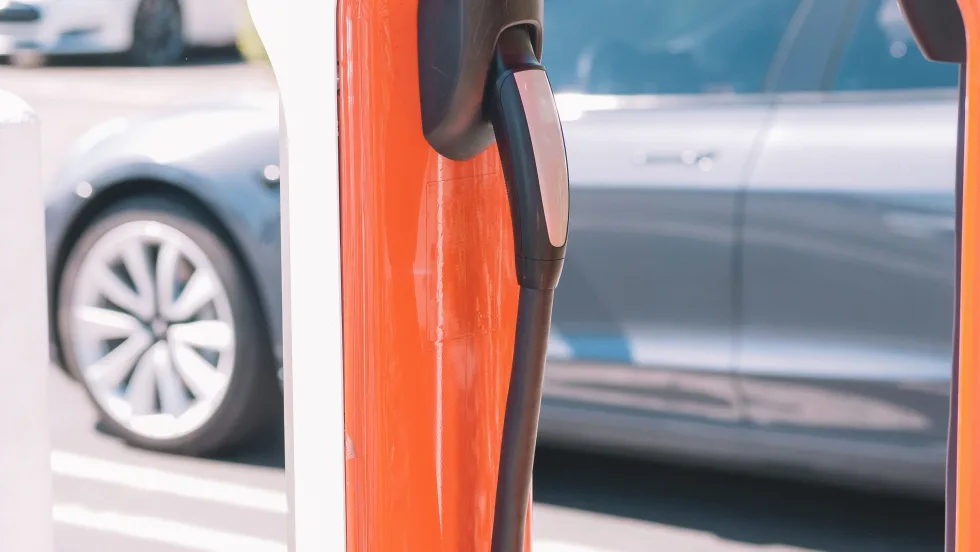
Charger Network Growth Slows
Despite a projected increase in public EV chargers in 2026, charging infrastructure remains a top concern for consumers as the gap between the most and least EV-friendly places remains substantial.
Read More →
Lenders, Consumers Take on More Auto Loan Risk
September records loosened credit access the most in over a decade as buyers took advantage of the conditions to afford trading, though loan applications fell.
Read More →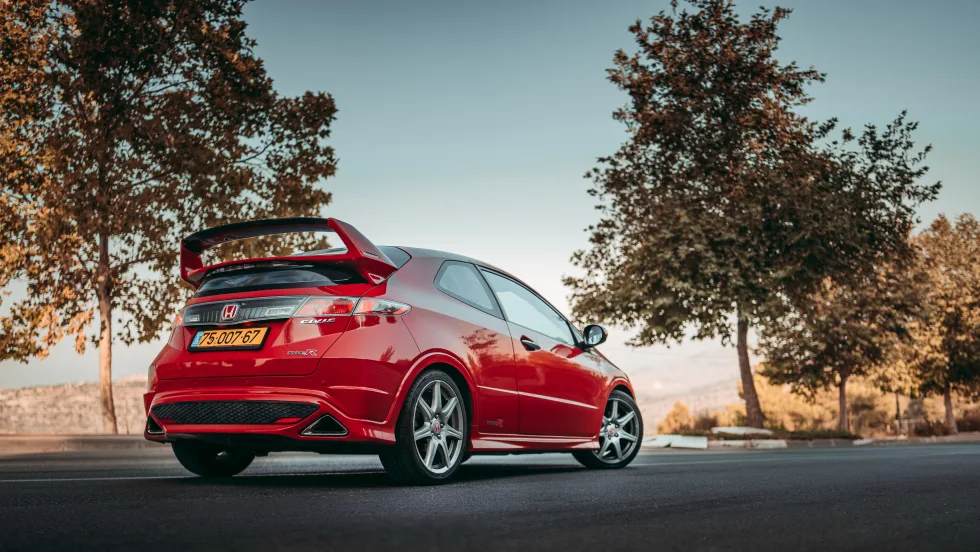
Next-Gen Hybrids in Sight
Dealerships can expect to see revamped hybrids from Honda next year as the company rolls out a new system and model lineup.
Read More →
Gem State Stores Change Hands
A larger auto group founded in the industry’s early years sold two franchises to a neighbor group that's on a growth spurt.
Read More →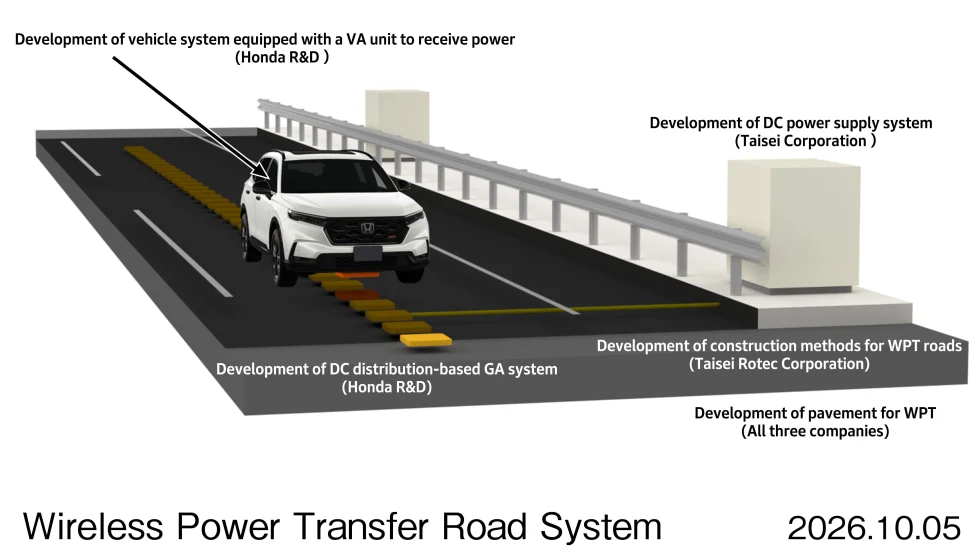
Charging In Motion
Honda has been researching wireless in-motion charging for electric vehicles since 2025, and new technology developments have put it a step closer to a final product.
Read More →
Twin Cities Stores Sell
Minnesota-based Walser Automotive Group made what it called the most significant acquisition in its history with a three-rooftop deal in Minneapolis.
Read More →
U.S. Auto Sales Still Below Prepandemic Levels
Mobility Global industry observers don’t expect the market to return to the higher volumes that became routine before Covid but to stay well below its potential.
Read More →
The Powertrain Shift
Electric-vehicle owners are backpedaling, according to new data, with product availability driving many to shift back to gas-powered engines.
Read More →
Achromatic Autos
The shades that dominate the U.S. car market don’t call attention to themselves, though grayscale may have plateaued after a 30-year upswing, research shows.
Read More →
Used-Vehicle Affordability Worsens
Listing prices in August defied seasonal trends, rising above $27,000 for the second time this year.
Read More →