


House May Vote on Pared Auto Safety Bill

WASHINGTON — The U.S. House may consider a slimmed-down auto safety bill this week, despite concerns raised by automakers.
A comprehensive overhaul of the nation's auto safety system, introduced in the wake of Toyota Motor Corp.'s sudden acceleration woes, has been stalled for months in Congress, reported The Detroit News.
A pared-back auto safety bill sponsored by Rep. Bobby Rush, D-Ill., was introduced in Congress on Monday and could be voted on as early as this week under so-called fast-track rules used for generally noncontroversial bills.
The fast-track rules require two-thirds of House members to vote in favor.
Automakers are bracing for a vote on the bill.
They have raised concerns about a provision to make more data available to the public from the government's Early Warning Database designed to help regulators stop safety threats earlier.
The Alliance of Automobile Manufacturers, a trade group representing Detroit's Big Three automakers, Toyota Motor Corp. and eight others, circulated a note on Capitol Hill urging lawmakers to oppose the measure.
The bill would "overturn a 10-year-old regulation regarding confidential business information that has been upheld by a federal court," the e-mail said. "If there are legitimate public policy reasons to overturn the federal court's verdict, they should be debated in the sunshine rather than inserted quietly into a bill in the final hours of the 111th Congress."
Mike Stanton, president and CEO of the Association of International Automakers, said his group has concerns about the early warning provision as well.
House Democratic leaders haven't committed to calling a vote on the bill. The concerns raised by automakers could force changes to the bill or lead the House to scrap a vote before it adjourns for the year in the coming week or so.
The rest of the bill is largely noncontroversial — a fact automakers noted.
"Even though automakers are on the record supporting some of the individual measures included in H.R. 6518, we have to acknowledge they do nothing to address issues related to unintended acceleration and therefore should be considered as part of a comprehensive reauthorization of highway safety programs," the e-mail from Alliance of Automobile Manufacturers said.
The bill would require the Transportation Department to study the feasibility of more widespread use of in-vehicle technology to prevent alcohol-impaired driving and would require the National Highway Traffic Safety Administration to set rules to prevent rollovers in the largest vehicles.
The aim of the in-vehicle detection system is to prevent drunken drivers from starting their cars. In some states, judges may require ignition interlocks for convicted drunk drivers.
Automakers have done research on more advanced systems that would sample a driver's breath without requiring them to blow into a device.
The bill would require NHTSA "to explore the feasibility and the potential benefits of, and the public policy challenges associated with, more widespread deployment of in-vehicle technology to prevent alcohol-impaired driving."
It also would create a hotline for employees of automakers, dealers and mechanics to contact NHTSA directly and confidentially regarding potential safety defects.
At the same time, Sen. Jay Rockefeller, D-W.Va., has been trying to overcome some objections to his stalled safety bill.
Today, a coalition of consumer, health and safety groups that includes the Consumers Union, the Consumer Federation of America and Public Citizen urged Congress to act in the wake of Toyota's latest recall — its 17th safety recall of the year. The automaker has now recalled 6.75 million vehicles this year. That is a record for the company.
The groups said passage is "an urgent national priority before any more needless deaths and injuries occur as a result of defective motor vehicles. The American public cannot wait any longer."
More Industry
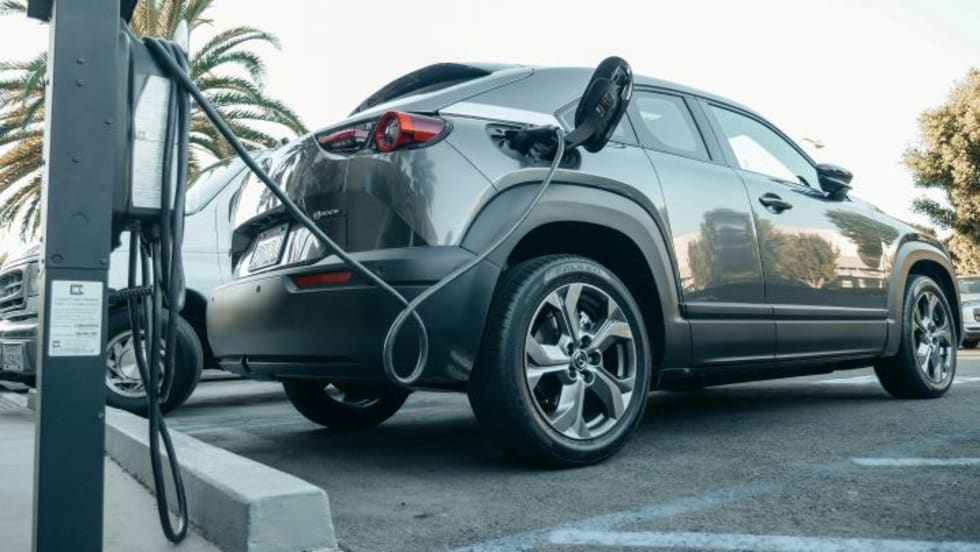
World EV Adoption Set to Grow
A new report says the segment, despite recent setbacks in some regions, is poised for acceleration as many countries look to reduce pollution.
Read More →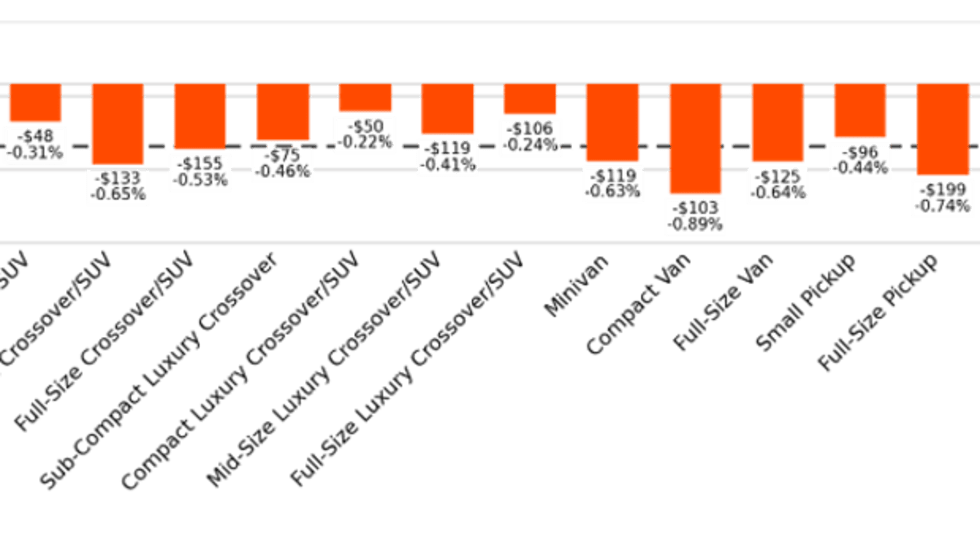
Black Book: Weekly Market Update
Wholesale automotive auction business stayed steady last week as bidders encountered lower prices, analysts observed.
Read More →
Pricing Transparency Drives Purchase Consideration
An annual study by JD Power found that clear pricing matters to consumers on automaker websites, so much so that it increases their purchase consideration.
Read More →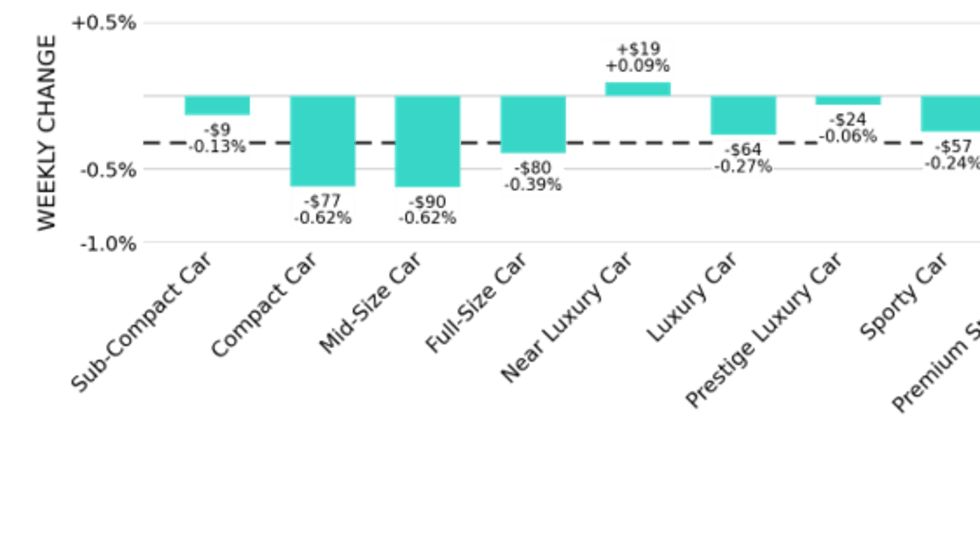
Black Book: Weekly Market Update
Used-vehicle market depreciation was the prevailing story in the wholesale market last week.
Read More →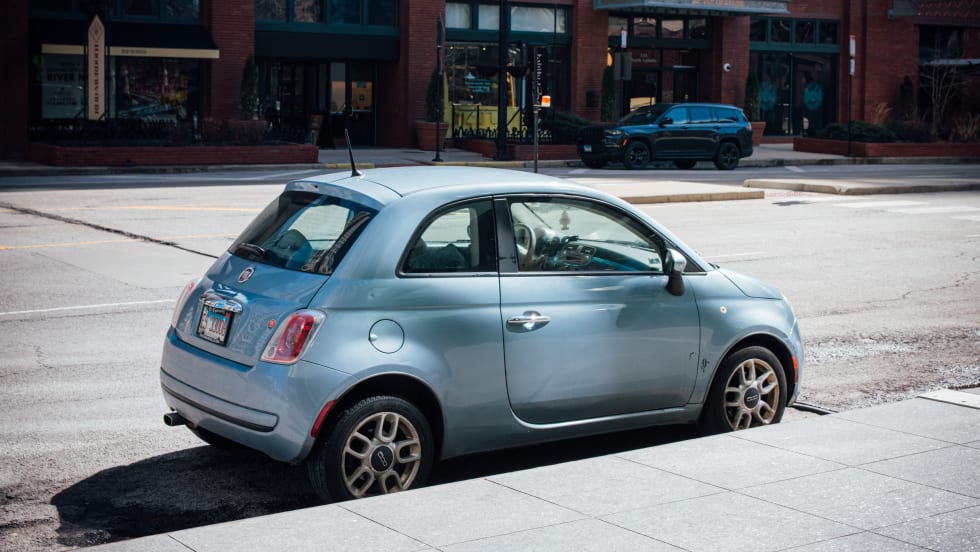
Smaller Is Looking Better
A growing number of Americans in the market for a new vehicle are opting for more affordable options, not waiting for market stability to bite the bullet.
Read More →
U.S. EV Market Slowly Stabilizes
U.S. electric-vehicle interest is slowly stabilizing since a major dip in sales after last year's end of the federal EV tax credit, and hybrids remain the leading electrified power train.
Read More →
Global EV Market Entering New Phase
Automakers are making investments to lower battery costs and optimize production to meet changing consumer needs.
Read More →
Black Book Weekly Market Update
The holiday weekend, not surprisingly, put a drag on wholesale automotive activity last week, analysts observed.
Read More →
Auto Affordability in Context
Cox Automotive points out the complex circumstances that have led to eye-popping vehicle prices.
Read More →
Black Book: Weekly Market Update
Automotive auction inventory increased last week, giving choosy bidders even more leeway.
Read More →