


Hyundai, Kia Settle Over Vehicle Thefts
Class-action payouts to total more than $200M among nine million owners.

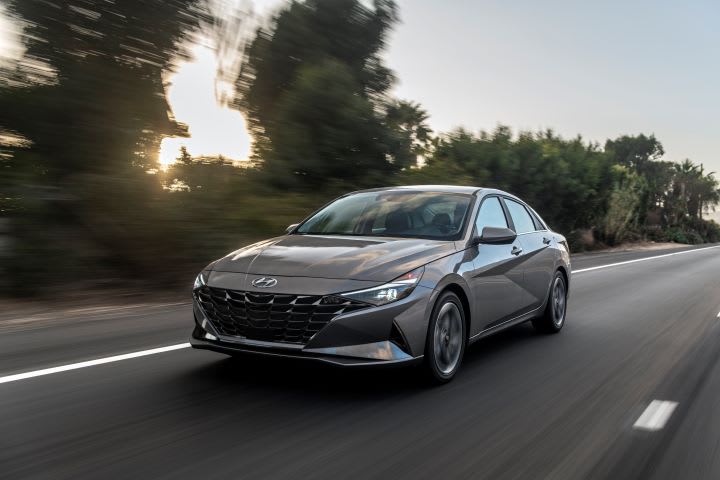
The companies have been under fire for months over a rash of thefts of 2011 to 2022 models that didn’t include antitheft technology as standard equipment.
IMAGE: Hyundai
Hyundai and Kia agreed to settle a class-action lawsuit over claims that lack of antitheft technology in many of its models make them prone to theft.
The South Korean automakers agreed to pay more than $200 million to settle the suit, which would cover some nine million vehicle owners between the two brands.
The companies have been under fire for months over a rash of thefts of 2011 to 2022 models that didn’t include antitheft technology as standard equipment.
Some thieves posted how-to videos on social media instructing others on how to steal the models.
The models in question lacked immobilizers, which prevent them from being started without transmission of a code from a “smart” key, said the law firm that represented the class in the suit, Hagens Berman. The firm said “design flaws” in the models also allow theft in less than 90 seconds.
Multiple major U.S. cities have sued the carmakers over the issue, 18 states sought a recall of the affected models, and about two dozen attorneys general urged the companies to take more action to stem the thefts.
The carmakers expedited a software upgrade for the models, worked with AAA to insure the vehicles, and reimbursed owners for steering wheel locks. But they continued to hear from the various parties that they weren’t doing enough.
The settlement covers payments of up to $6,125 for vehicle loss, and up to $3,375 for damage. Also included are funds to cover transportation costs not covered by insurance, such as taxis and car rentals.
LEARN MORE: States Seek Recall of Theft-Prone Hyundai, Kia Models
Originally posted on Auto Dealer Today
More Industry
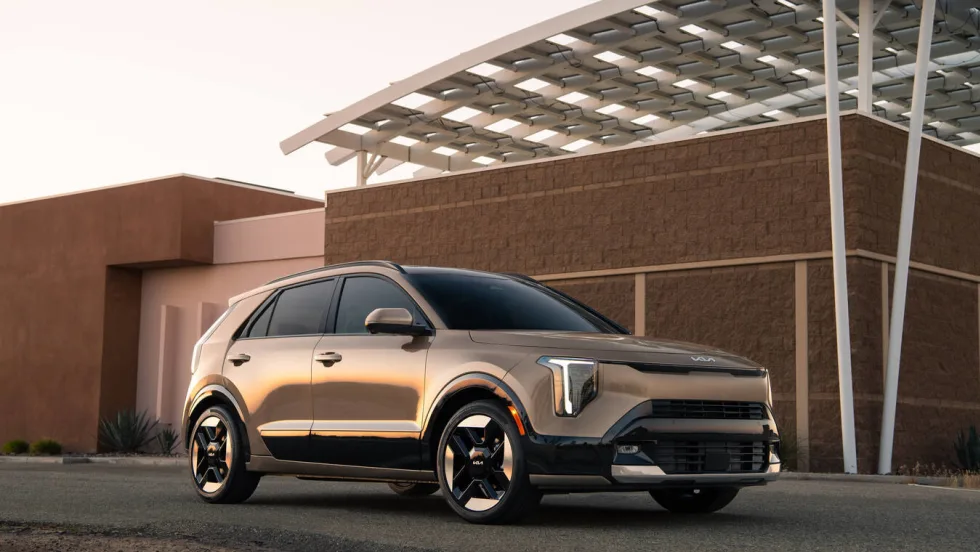
Kia Closes Out Summer With a Bang
Its U.S. subsidiary broke multiple records in August, in part due to a surge of demand for hybrids models.
Read More →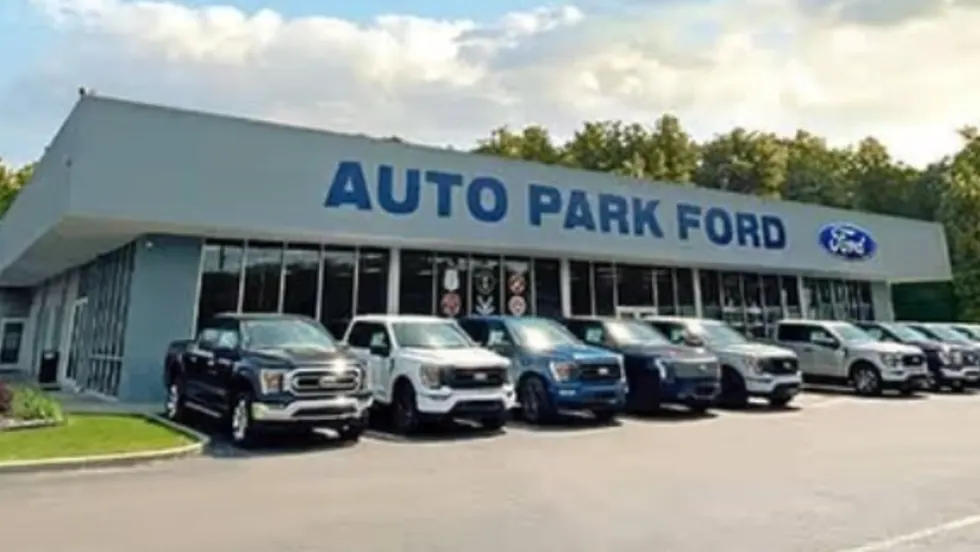
Indiana Dealership Changes Hands
A 30-year-old Ford dealership in Indiana has a new owner and will soon be undergoing renovations to meet manufacturer requirements.
Read More →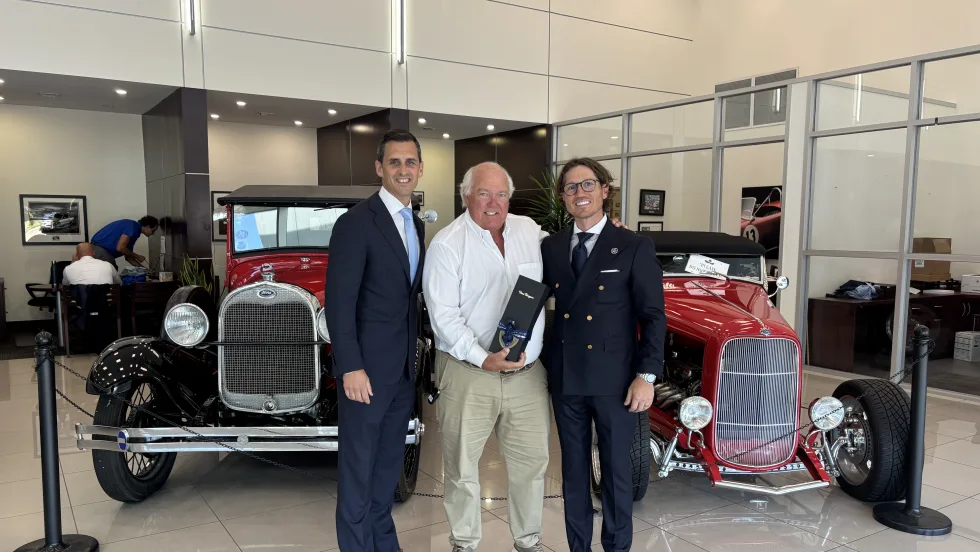
Texas Dealership No Longer in the Family
The Ford store, a longtime cornerstone of the Houston market, is now part of one of the fastest-growing U.S. auto groups.
Read More →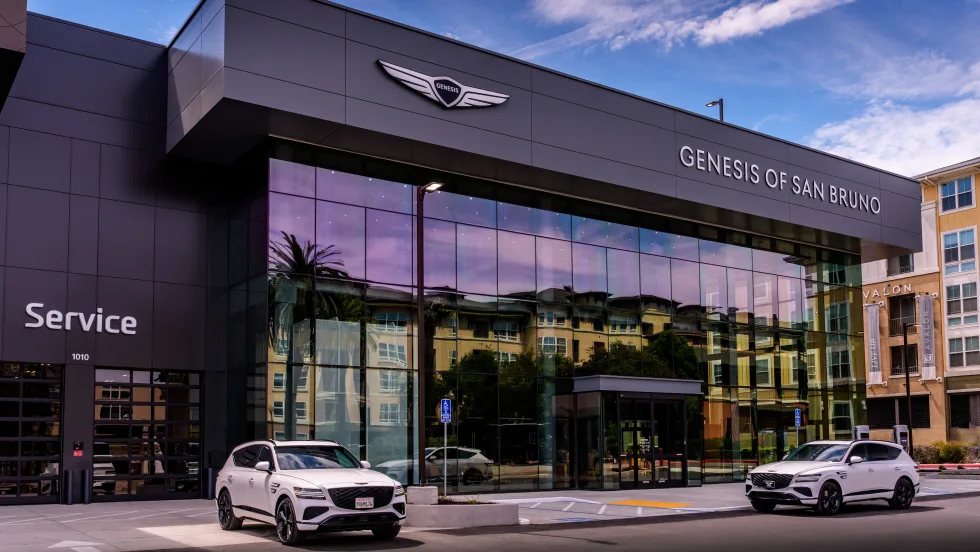
Genesis Grows California Presence
The Cardinale Automotive Group opened its third Genesis rooftop in the Golden State, Genesis of San Bruno, a stand-alone dealership serving the San Francisco Bay Area.
Read More →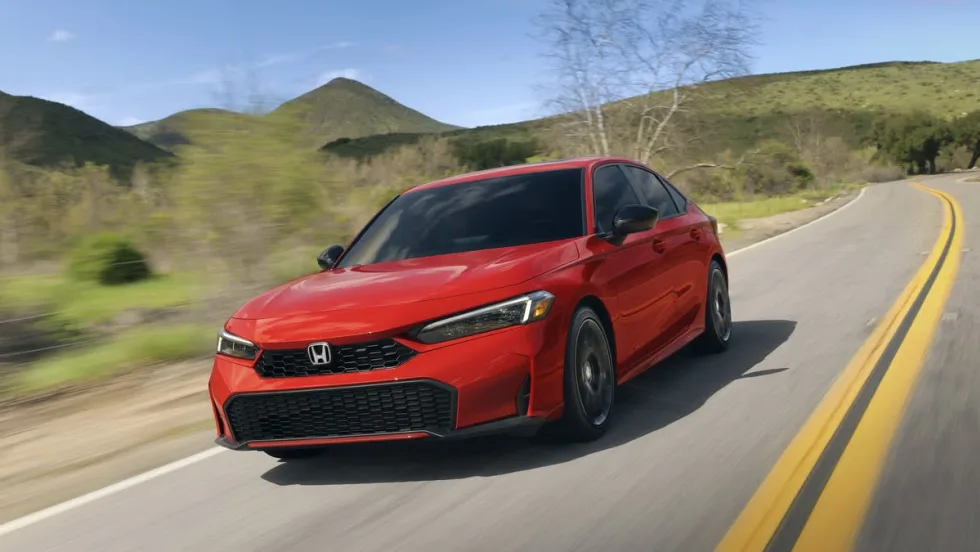
August Auto Sales a Mixed Bag
An early forecast shows strong business despite consumer hurdles, and hybrids are a big piece of their affordability coping strategy.
Read More →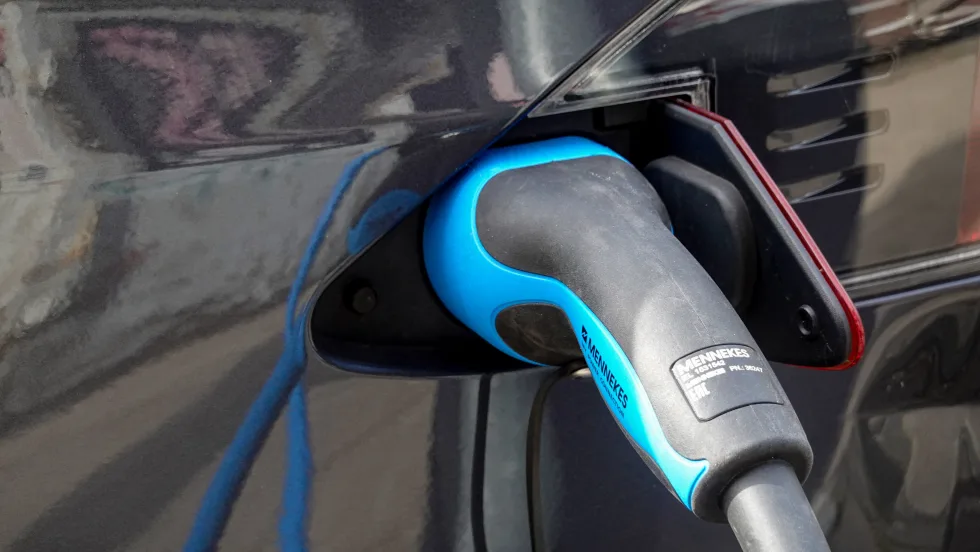
EV Market Humming Along
July sales show steady growth as the segment stabilizes from last year’s artificial surge following pullback of federal support.
Read More →
Auto Loan Delinquency Rates Stabilize
Auto loans are a main driver of nonmortgage consumer debt, but delinquency rates stabilized in the second quarter across all credit risk tiers.
Read More →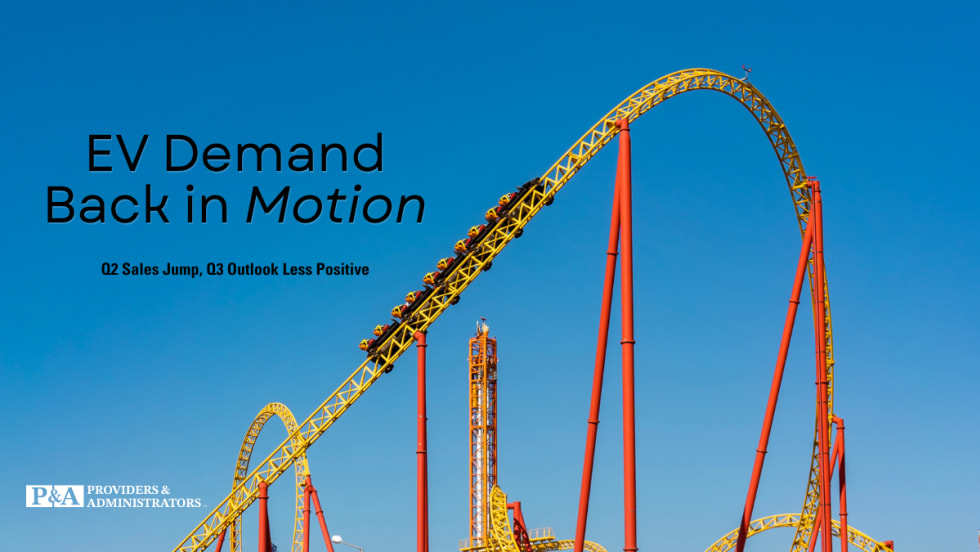
EV Sales Recover in Q2
The EV sales roller coaster continues as numbers show improvement, but industry experts predict a year-over-year third-quarter decline and fourth-quarter jump.
Read More →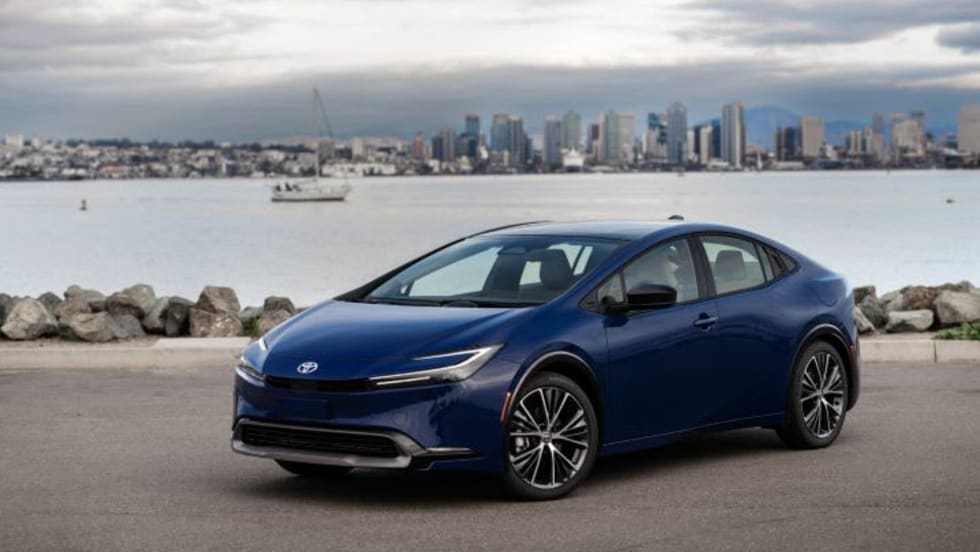
The Cheapest Hybrids to Fuel
The powertrain is increasing in popularity, in no small part due to its fuel economy. A new report lists the most efficient hybrids on the market.
Read More →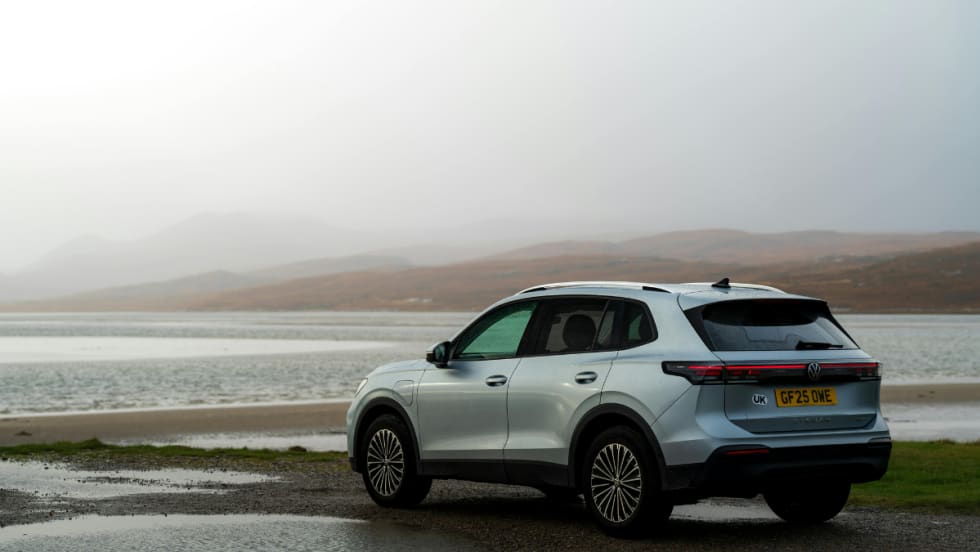
Hybrids and SUVs Gaining Ground
The most recent Kelley Blue Book Brand Watch found that only two nonluxury brands increased in shopper consideration, buoyed by their hybrid and SUV offerings.
Read More →