


IHS: Average Vehicle Age Remains Steady at 11.4 Years

Southfield, MI. — The combined average age of all light vehicles on the road in the U.S. remained steady at 11.4 years, based on a Jan. 1 snapshot taken by IHS Automotive.
Total light vehicles in operation (VIO) in the U.S. also reached a record level of more than 252 million vehicles — an increase of more than 3.7 million (1.5%) since last year, said the IHS Automotive analysis from July 2013. In addition, new-vehicle registrations outpaced scrappage by more than 24% for the first time in a decade.
The average age is in line with the trend shift first seen in 2013, in which the combined fleet of cars and light trucks on the road is older than ever before. New analysis, however, indicates the average age of light trucks has increased in the past year to the same age as passenger cars, both at 11.4 years. This milestone marks the first time this has happened since 1995, when the data was first reported.
“In our history of tracking, we have seen a gradual increase in the average age of vehicles on the road,” said Mark Seng, director of aftermarket solutions and global aftermarket practice leader at IHS Automotive. “This year, we’re seeing somewhat of a plateau in the market, and expect it to remain over the next few years, without a major change in either direction. We attribute this to a number of factors, including the economy and the increasing quality of today’s automobiles.”
Looking ahead, IHS said it predicts the average age of vehicles will likely remain at 11.4 years through 2015, then rise to 11.5 years by 2017 and 11.7 years by 2019. This rate of growth is slowing as compared to the last five years due to the substantial increase in new-vehicle sales.
The number of vehicles scrapped in 2013 was significantly fewer than in previous years, with slightly more than 11.5 million vehicles scrapped during the 12-month timeframe analyzed by IHS Automotive. In comparison, a record high of more than 14 million vehicles were scrapped in 2012. This while VIO is up 1.5%, a rate the auto industry hasn’t seen in the U.S. market since the 2004-2005 period.
With the shift in ownership comes shift in the age of vehicles within segments of the overall fleet, which is important to business planners in the aftermarket and service industries so they can manage inventories of parts required and plan for sales and service activity accordingly, officials said.
Based on the growth of new-vehicle registrations in the past few years, IHS Automotive forecasted that the volume of vehicles zero-to-five years old will increase by 32% over the next five years while vehicles in the six- to 11-year-old category will decline by 21%. Because of improved quality and consumers holding their cars and light trucks longer, vehicles 12-plus years old continue to grow and will increase by 15% by 2019.
More Industry

Charger Network Growth Slows
Despite a projected increase in public EV chargers in 2026, charging infrastructure remains a top concern for consumers as the gap between the most and least EV-friendly places remains substantial.
Read More →
Lenders, Consumers Take on More Auto Loan Risk
September records loosened credit access the most in over a decade as buyers took advantage of the conditions to afford trading, though loan applications fell.
Read More →
Next-Gen Hybrids in Sight
Dealerships can expect to see revamped hybrids from Honda next year as the company rolls out a new system and model lineup.
Read More →
Gem State Stores Change Hands
A larger auto group founded in the industry’s early years sold two franchises to a neighbor group that's on a growth spurt.
Read More →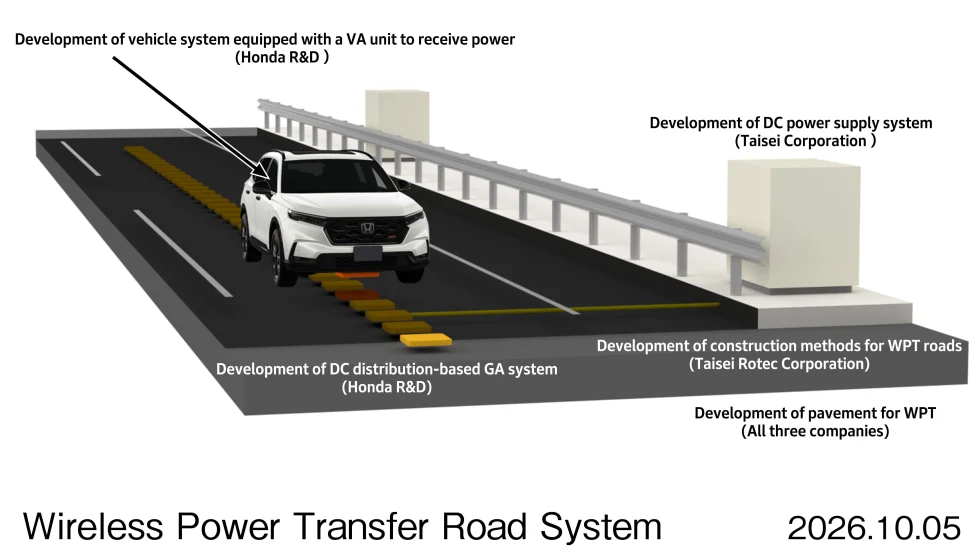
Charging In Motion
Honda has been researching wireless in-motion charging for electric vehicles since 2025, and new technology developments have put it a step closer to a final product.
Read More →
Twin Cities Stores Sell
Minnesota-based Walser Automotive Group made what it called the most significant acquisition in its history with a three-rooftop deal in Minneapolis.
Read More →
U.S. Auto Sales Still Below Prepandemic Levels
Mobility Global industry observers don’t expect the market to return to the higher volumes that became routine before Covid but to stay well below its potential.
Read More →
The Powertrain Shift
Electric-vehicle owners are backpedaling, according to new data, with product availability driving many to shift back to gas-powered engines.
Read More →
Achromatic Autos
The shades that dominate the U.S. car market don’t call attention to themselves, though grayscale may have plateaued after a 30-year upswing, research shows.
Read More →
Used-Vehicle Affordability Worsens
Listing prices in August defied seasonal trends, rising above $27,000 for the second time this year.
Read More →