


IHS Markit: Coronavirus Impact on Global Auto Demand
IHS Markit has been analyzing prevailing auto demand conditions in light of COVID-19.


IHS Markit has been analyzing prevailing auto demand conditions in light of COVID-19.
IHS Markit – The COVID-19 virus epidemic is spreading rapidly, with a growing number of countries around the world announcing drastic measures to slow down the infection rates. Key European countries are intensifying already-implemented restrictions, while the United States is starting to implement more aggressive measures in various areas. Over the last few weeks, IHS Markit has been evaluating and analyzing prevailing auto demand conditions in light of these containment directives, alongside incoming news on measures taken by individual OEMs, especially announced plant shutdowns and limitations on dealer activities.
The global spread of the coronavirus pandemic has emerged as the single biggest risk factor facing the autos industry for many years. The coronavirus crisis piles intense additional pressure on an already-stressed autos industry and the latest IHS Markit forecast release includes downgrades across virtually all regions. While Greater China is slowly bringing facilities back online, the focus shifts from an issue of supply (production) to demand as the broader impact of the coronavirus outbreak widens. Key forecast downgrades include Greater China, Europe and North America, although virtually every territory faces the prospect of some degree of demand distortion in the coming months.
The global auto industry is expected to witness an unprecedented and almost instant stalling of demand in 2020, with global auto sales forecast to plummet more than 12% from 2019, to 78.8 million units, according to the latest IHS Markit forecasts. This represents a downgrade of 10 million units compared to pre-coronavirus IHS Markit forecasts made in January 2020. A fall of 12% for 2020 would be considerably worse than the two-year peak-to-trough decline of 8.0% during the global recession in 2008/2009.
On a global basis, we project a sharp reduction in near-term growth followed by a slow recovery. Risks are heavily skewed to downside; especially how low the market could go and for assessing recovery prospects. Market prospects are mixed, with emerging glimmers of hope for China, though vulnerable to the risk that the virus flares up in the coming months. Government action is key to both controlling the virus and providing support and stimulus packages to help economies through the healing process.
IHS Markit expectations for Mainland China have been downgraded by 2.3 million units for 2020, with light vehicle sales forecast to post 22.4 million units for the year, down almost 10% year over year. China is expected to show signs of bottoming out through the second half of 2020, but we caution that the scale of the economic slowdown will likely lead to some destroyed demand.
Europe(1) is now gripped by a full-scale coronavirus crisis with demand conditions worsening by the day. The region faces months of rolling disruption as the conjoined health and economic crises play out across economies. Europe autos demand for 2020 is set at 15.6 million units, down by 13.6% over 2019. This represents a volume downgrade of 1.9 million units versus pre-coronavirus settings.
The IHS Markit forecast for the US market is reset on a sharp consumer-led recession for 2020, with announced monetary and planned fiscal policy measures probably not enough to save the auto market from a looming demand slump. IHS Markit forecasts 2020 US auto sales to be 14.4 million units, down by at least 15.3% year over year. For the US, our volume downgrade is 2.4 million units for 2020 from prior forecasts.
Our analysts are continuing to monitor the situation as it evolves, and we will provide further updates in the days and weeks to come.
Originally posted on Auto Dealer Today
More Industry

Kia Closes Out Summer With a Bang
Its U.S. subsidiary broke multiple records in August, in part due to a surge of demand for hybrids models.
Read More →
Indiana Dealership Changes Hands
A 30-year-old Ford dealership in Indiana has a new owner and will soon be undergoing renovations to meet manufacturer requirements.
Read More →
Texas Dealership No Longer in the Family
The Ford store, a longtime cornerstone of the Houston market, is now part of one of the fastest-growing U.S. auto groups.
Read More →
Genesis Grows California Presence
The Cardinale Automotive Group opened its third Genesis rooftop in the Golden State, Genesis of San Bruno, a stand-alone dealership serving the San Francisco Bay Area.
Read More →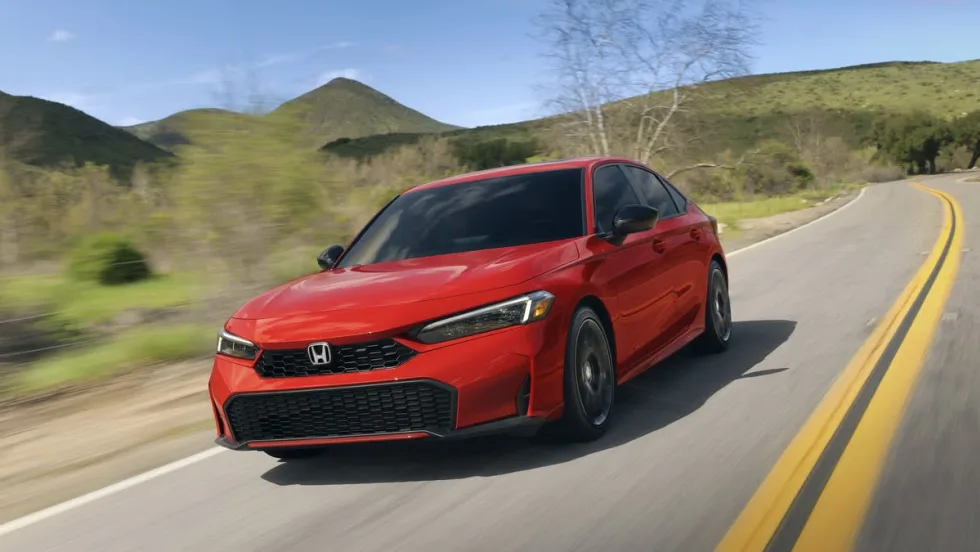
August Auto Sales a Mixed Bag
An early forecast shows strong business despite consumer hurdles, and hybrids are a big piece of their affordability coping strategy.
Read More →
EV Market Humming Along
July sales show steady growth as the segment stabilizes from last year’s artificial surge following pullback of federal support.
Read More →
Auto Loan Delinquency Rates Stabilize
Auto loans are a main driver of nonmortgage consumer debt, but delinquency rates stabilized in the second quarter across all credit risk tiers.
Read More →
EV Sales Recover in Q2
The EV sales roller coaster continues as numbers show improvement, but industry experts predict a year-over-year third-quarter decline and fourth-quarter jump.
Read More →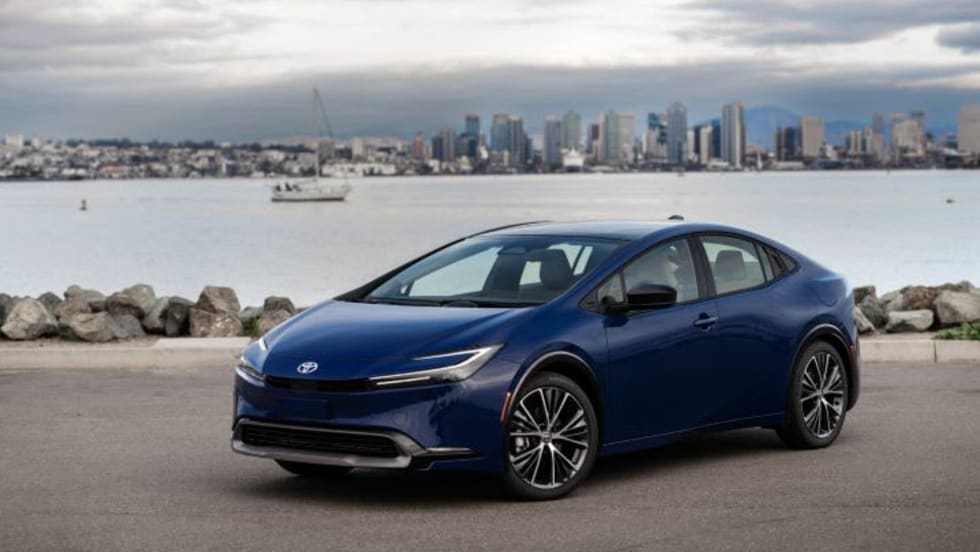
The Cheapest Hybrids to Fuel
The powertrain is increasing in popularity, in no small part due to its fuel economy. A new report lists the most efficient hybrids on the market.
Read More →
Hybrids and SUVs Gaining Ground
The most recent Kelley Blue Book Brand Watch found that only two nonluxury brands increased in shopper consideration, buoyed by their hybrid and SUV offerings.
Read More →