


Many Consumers Suspicious of Robotaxis
New study shows little trust, though many who ride think better of the experience.


Study found 47% of people who use the service gain more trust in the taxis.
IMAGE: Pexels/Andrea Piacquadio
Consumers in general don’t trust driverless taxis, whether they hail them or not, a new study found.
The first U.S. Robotaxi Experience Study by J.D. Power shows just 27% of people who don’t ride in driverless cabs are comfortable sharing roads with them and that only 20% of all consumers are OK with them being tested on nearby roadways.
J.D. Power conducted the nationwide study in July. Though the overall findings paint a dark picture of consumer views on the technology, the researcher actually calls robotaxi riders ambassadors of the automated technology. It found that 47% of people who use the service gain more trust in the taxis and that 51% of riders with an already high level of trust maintained that trust during a driverless ride. Just 2% of riders lost trust during a ride.
“These positive firsthand experiences can help educate other consumers, providing balance to news coverage that often focuses solely on the negative aspects of AVs,” J.D. Power said in a press release on the study.
Driverless taxis operating in San Francisco and a couple of other U.S. metropolitan areas have drawn news coverage when the deployments haven’t gone well.
In August, San Francisco became the first major U.S. city to allow them to operate round-the-clock. In short order, a line of them led to a traffic jam, blocking a city street. This month, the National Highway Traffic Safety Administration opened a preliminary probe into whether Cruise taxis are operating with necessary caution around pedestrians.
Most riders try self-driving cabs for the novelty of the experience rather than for practicality, J.D. Power said, pointing out that the technology must move beyond that stage to gain wide acceptance. It said almost 60% of riders and nonriders don’t think the cabs drive better than people, despite the idea that they improve road safety.
Originally posted on Auto Dealer Today
More Industry
Charger Network Growth Slows
Despite a projected increase in public EV chargers in 2026, charging infrastructure remains a top concern for consumers as the gap between the most and least EV-friendly places remains substantial.
Read More →
Lenders, Consumers Take on More Auto Loan Risk
September records loosened credit access the most in over a decade as buyers took advantage of the conditions to afford trading, though loan applications fell.
Read More →
Next-Gen Hybrids in Sight
Dealerships can expect to see revamped hybrids from Honda next year as the company rolls out a new system and model lineup.
Read More →
Gem State Stores Change Hands
A larger auto group founded in the industry’s early years sold two franchises to a neighbor group that's on a growth spurt.
Read More →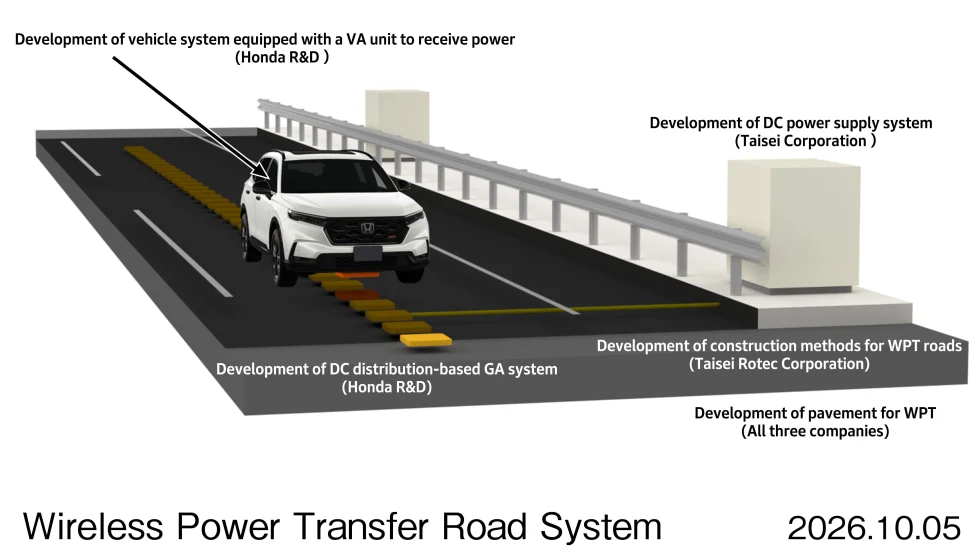
Charging In Motion
Honda has been researching wireless in-motion charging for electric vehicles since 2025, and new technology developments have put it a step closer to a final product.
Read More →
Twin Cities Stores Sell
Minnesota-based Walser Automotive Group made what it called the most significant acquisition in its history with a three-rooftop deal in Minneapolis.
Read More →
U.S. Auto Sales Still Below Prepandemic Levels
Mobility Global industry observers don’t expect the market to return to the higher volumes that became routine before Covid but to stay well below its potential.
Read More →
The Powertrain Shift
Electric-vehicle owners are backpedaling, according to new data, with product availability driving many to shift back to gas-powered engines.
Read More →
Achromatic Autos
The shades that dominate the U.S. car market don’t call attention to themselves, though grayscale may have plateaued after a 30-year upswing, research shows.
Read More →
Used-Vehicle Affordability Worsens
Listing prices in August defied seasonal trends, rising above $27,000 for the second time this year.
Read More →