


Mercedes-Benz and Microsoft Enter Partnership
The partnership will allow Mercedes-Benz to connect passenger car plants to the Microsoft Cloud to make vehicle production more efficient, resilient and sustainable.

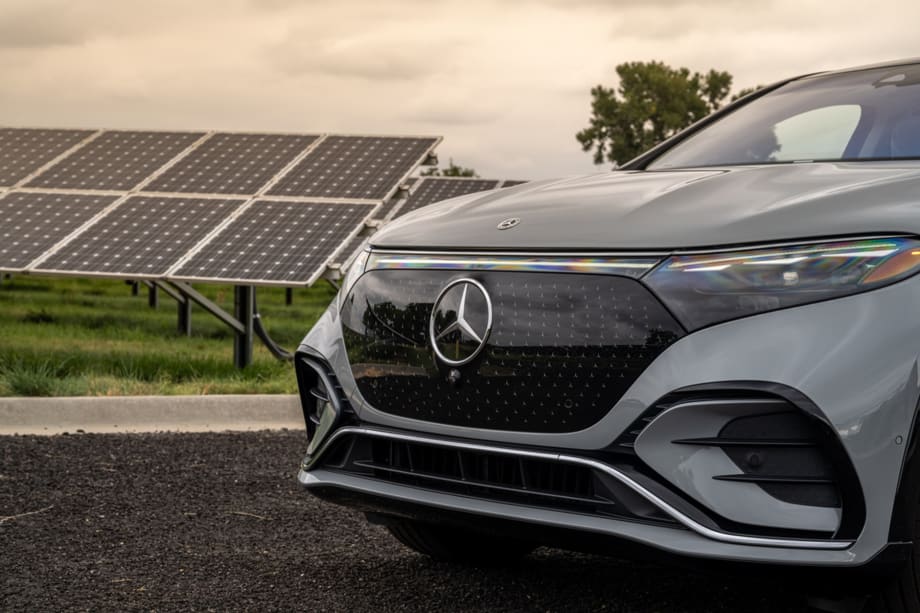
The partnership will allow Mercedes-Benz to connect passenger car plants to the Microsoft Cloud to make vehicle production more efficient, resilient and sustainable.
IMAGE: Mercedes-Benz
Mercedes-Benz AG and Microsoft Corp. have announced plans to collaborate to make vehicle production more efficient, resilient and sustainable.
The new MO360 Data Platform will allow Mercedes-Benz to connect around 30 passenger car plants worldwide to the Microsoft Cloud, enhancing transparency and predictability across the digital production and supply chain.
"This new partnership between Microsoft and Mercedes-Benz will make our global production network more intelligent, sustainable and resilient in an era of geopolitical and macroeconomic challenges. The ability to predict and prevent problems in production and logistics will become a key competitive advantage as we go all electric,” said Joerg Burzer, member of the Board of Management of Mercedes-Benz Group AG, responsible for Production & Supply Chain Management.
The MO360 Data Platform is an evolution of Mercedes-Benz’ digital production ecosystem MO360 and will allow teams to identify potential supply chain bottlenecks faster and enable a dynamic prioritization of production resources toward electric and Top-End vehicles.
The unified data platform is standardized on Microsoft Azure to provide Mercedes-Benz with flexibility and cloud computing power to run artificial intelligence (AI) and analytics at global scale. It will address cybersecurity and compliance standards across regions.
The platform is already available to teams in EMEA and will be deployed in the United States and China.
Originally posted on Auto Dealer Today
More Industry
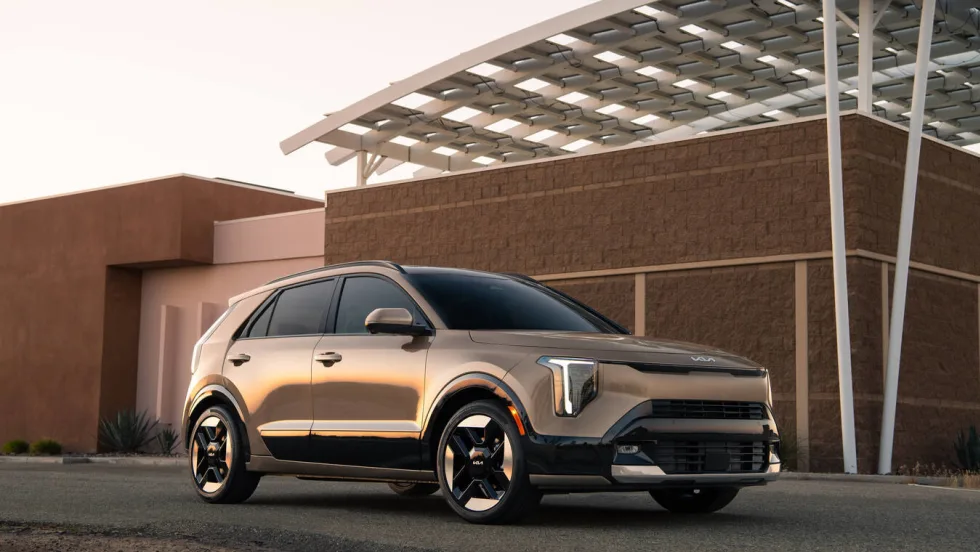
Kia Closes Out Summer With a Bang
Its U.S. subsidiary broke multiple records in August, in part due to a surge of demand for hybrids models.
Read More →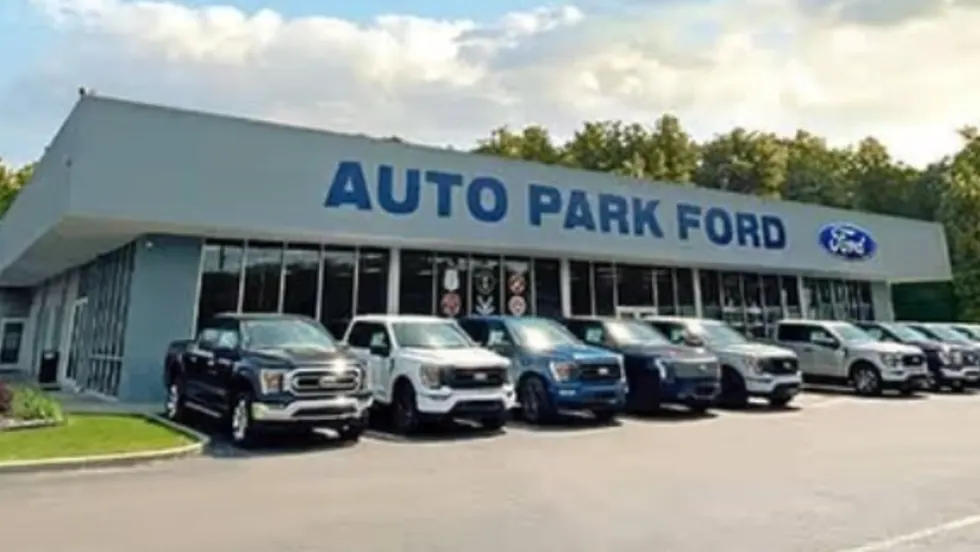
Indiana Dealership Changes Hands
A 30-year-old Ford dealership in Indiana has a new owner and will soon be undergoing renovations to meet manufacturer requirements.
Read More →
Texas Dealership No Longer in the Family
The Ford store, a longtime cornerstone of the Houston market, is now part of one of the fastest-growing U.S. auto groups.
Read More →
Genesis Grows California Presence
The Cardinale Automotive Group opened its third Genesis rooftop in the Golden State, Genesis of San Bruno, a stand-alone dealership serving the San Francisco Bay Area.
Read More →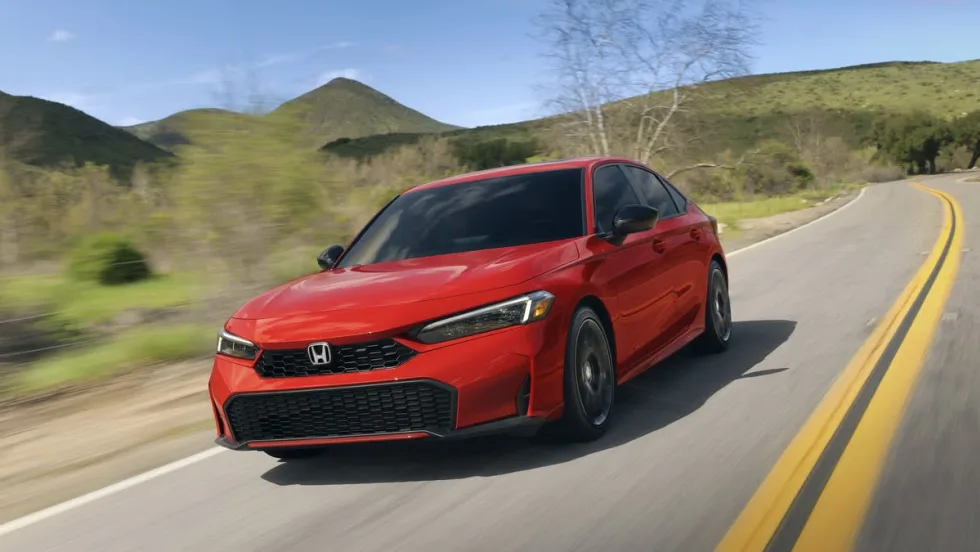
August Auto Sales a Mixed Bag
An early forecast shows strong business despite consumer hurdles, and hybrids are a big piece of their affordability coping strategy.
Read More →
EV Market Humming Along
July sales show steady growth as the segment stabilizes from last year’s artificial surge following pullback of federal support.
Read More →
Auto Loan Delinquency Rates Stabilize
Auto loans are a main driver of nonmortgage consumer debt, but delinquency rates stabilized in the second quarter across all credit risk tiers.
Read More →
EV Sales Recover in Q2
The EV sales roller coaster continues as numbers show improvement, but industry experts predict a year-over-year third-quarter decline and fourth-quarter jump.
Read More →
The Cheapest Hybrids to Fuel
The powertrain is increasing in popularity, in no small part due to its fuel economy. A new report lists the most efficient hybrids on the market.
Read More →
Hybrids and SUVs Gaining Ground
The most recent Kelley Blue Book Brand Watch found that only two nonluxury brands increased in shopper consideration, buoyed by their hybrid and SUV offerings.
Read More →