


Millions Postponed Auto Loan Payments During Pandemic, But Most Loans are Current Today
TransUnion study finds borrowers used auto loan deferments as a safety net during the COVID-19 crisis.


Millions of borrowers took advantage of these financial hardship offers, which allowed them to postpone auto loan payments.
Studentloanborrowerassistance.org
After the government declared COVID-19 a pandemic, auto lenders began offering hardship accommodations to keep consumers current in their loans.
Millions of borrowers took advantage of these financial hardship offers, which allowed them to postpone auto loan payments. The number of borrowers seeking these accommodations peaked in May 2020 then began to drop off. The accommodations caused delinquency and charge-off rates to fall.
Many lenders worried these deferments would introduce great risk into the financial market. But a study by TransUnion finds that most of these accounts remain current and paid up to date showing that the economic impact on auto loans was not as great as feared.
Major auto lender, Ally Financial, offers a prime example of the actual impacts of these hardship programs. The lender reported that COVID-19 assistance peaked in May 2020 at 30% (or 1.3 million) of its consumer auto accounts. After deferments expired in Sept. 30, 2020, just 8% of the loans were delinquent or charged off, and only 3% of consumers extended their hardship accommodations. And 89% of loans were current or paid in full.
TransUnion reports that 80% of prime-risk consumers and 70% of subprime credit consumers made payments on hardship accounts while enrolled. And over 40% of accounts participating in these programs exited within three months.
Nationwide, 7.04% of auto loan accounts entered hardship status by May 2020, up from 0.64% in March 2020.
Though 2.09% of loans remain in hardship status as of May 2021, Matt Komos, vice president of research and consulting at TransUnion told Forbes in an interview, the percentage continues to fall and is a fraction of what it was a year ago.
Komos predicted numbers will return to pre-pandemic levels. He cited some areas still have high unemployment and predicted that once employment returns to normal levels in those regions fewer people will take part in the programs.
Many more consumers have exited the programs and haven’t returned, he told Forbes. The research highlights those borrowers that postponed their payments likely did so to reduce their risk rather than because of economic necessity.
Originally posted on Auto Dealer Today
More Industry
Charger Network Growth Slows
Despite a projected increase in public EV chargers in 2026, charging infrastructure remains a top concern for consumers as the gap between the most and least EV-friendly places remains substantial.
Read More →
Lenders, Consumers Take on More Auto Loan Risk
September records loosened credit access the most in over a decade as buyers took advantage of the conditions to afford trading, though loan applications fell.
Read More →
Next-Gen Hybrids in Sight
Dealerships can expect to see revamped hybrids from Honda next year as the company rolls out a new system and model lineup.
Read More →
Gem State Stores Change Hands
A larger auto group founded in the industry’s early years sold two franchises to a neighbor group that's on a growth spurt.
Read More →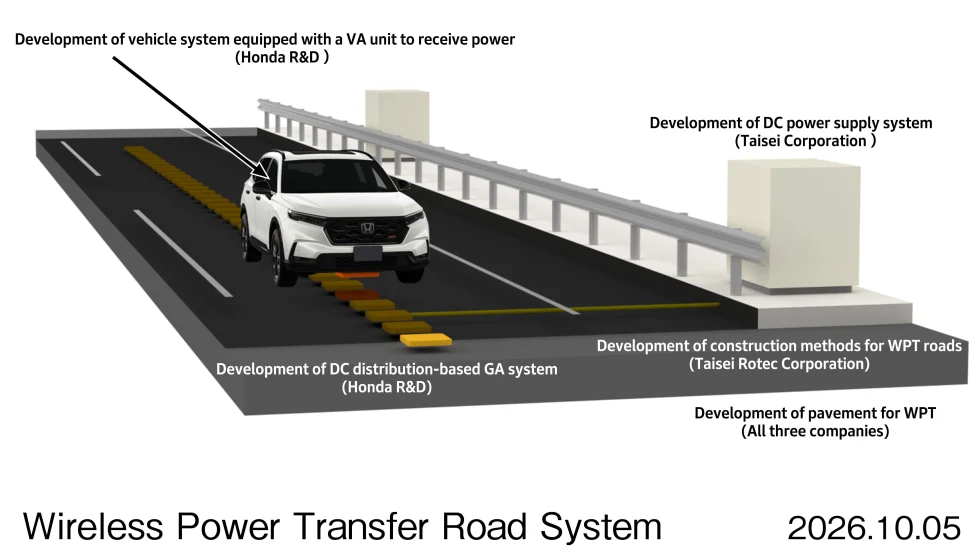
Charging In Motion
Honda has been researching wireless in-motion charging for electric vehicles since 2025, and new technology developments have put it a step closer to a final product.
Read More →
Twin Cities Stores Sell
Minnesota-based Walser Automotive Group made what it called the most significant acquisition in its history with a three-rooftop deal in Minneapolis.
Read More →
U.S. Auto Sales Still Below Prepandemic Levels
Mobility Global industry observers don’t expect the market to return to the higher volumes that became routine before Covid but to stay well below its potential.
Read More →
The Powertrain Shift
Electric-vehicle owners are backpedaling, according to new data, with product availability driving many to shift back to gas-powered engines.
Read More →
Achromatic Autos
The shades that dominate the U.S. car market don’t call attention to themselves, though grayscale may have plateaued after a 30-year upswing, research shows.
Read More →
Used-Vehicle Affordability Worsens
Listing prices in August defied seasonal trends, rising above $27,000 for the second time this year.
Read More →