


NADA Issues Analysis of Third Quarter 2020 Auto Sales
NADA issued its analysis of U.S. auto sales and the economy following the third quarter of 2020.


NADA issued its analysis of U.S. auto sales and the economy following the third quarter of 2020.
IMAGE: mohamed Hassan via Pixabay
NADA – NADA issued its analysis of U.S. auto sales and the economy following the third quarter of 2020.
Through the first three quarters of the year, new-light vehicle sales were down 19% relative to the same time period in 2019. In September, raw sales volume totaled 1.34 million units, an increase of 6.1% compared to September of 2019; the increase in September’s volume was due, at least in part, to the inclusion of the Labor Day sales weekend and two additional selling days compared to the same month in 2019.
“While we have continued to experience a steady recovery for new-vehicle demand year since the lows of April, vehicle sales have remained depressed compared to 2019 given a variety of factors including inventory,” said NADA chief economist Patrick Manzi. “September’s SAAR registered 16.3 million units, the first time sales have topped 16 million units since February 2020. However, this is a decline of 4.3% compared to September 2019.”
Despite a decline for all car segments, sales of pickups, SUVs and crossovers all posted gains relative to this time last year. In the first three quarters or 2020, three out of every four vehicles sold were light trucks.
NADA sees strong retail sales despite an environment with falling manufacturer incentives, after peaking in April at $4,981 per unit. J.D. Power estimates that average incentive spend per unit will drop to $3,964, the first time since June 2019 when incentives have fallen below $4,000 and down approximately $300 compared to September of last year.
Interest rates have also decreased, while average monthly payments have increased. According to J.D. Power, the average interest rate on new vehicle financing was 4.4% in August 2020, down a little over 100 basis points compared to August of 2019, but up by 80 basis points from April 2020’s low of 3.6%. The average monthly payment on a new-vehicle finance contract was $582 in August 2020 – up $18 compared to August 2019
Inventory continues to be a concern for dealers; nationwide, franchised dealer inventory was 2.66 million units at the end of September – up 3.6% compared to August 2020, but down 26.7% compared to September of 2019. At present, dealers has an average 50 day supply of inventory – down one day from August 2020 and 16 days compared to September 2019.
On the production side, North American light-vehicle production is expected to be 1.36 million units, roughly flat compared to September of 2019, according to Wards Intelligence. North America production for the entire year is on track to total 13.4 million units – 20.2% below 2019’s 16.8 million.
Consumers who took lease extensions in March, April and May are expected to be returning to the new vehicle market in the next few months which should be a positive boost for sales in the final quarter of the year. While retail demand is expected to continue to recover the remainder of the year, fleet sales will continue to be depressed relative to 2019 volumes. However, NADA sees possible improvement in fleet demand in the fourth quarter of 2020.
At the onset of the pandemic, NADA reduced its initial 2020 light-vehicle sales forecast of 16.8 million units to 13 million to 13.5 million units. “Given the better than expected recovery in the new light-vehicle market, we estimate 2020 new light-vehicle sales to be higher, reaching 14.1 million units,” added Manzi.
At the macro level, real GDP in the third quarter of 2020 is expected to increase by roughly 35% on an annualized basis following a sharp decline of 31.7% in the second quarter. In the labor market, job gains are expected to continue in the fourth quarter, albeit at a slower rate than in the months prior. According to the September jobs report from the Bureau of Labor and Statistic, employment increased by 661,000 jobs, and the unemployment rate fell to 7.9%. However, weekly jobless claims continue to be elevated compared to pre-pandemic levels with employment potentially falling in impacted sectors such as leisure and hospitality as American consumers return indoors during the winter months. Additionally, pandemic-related job losses continue to impact lower-earning workers more significantly than higher income workers.
At franchised new-car dealerships, employment has improved each month since bottoming out in April at 888,000; as of August 2020, franchised dealerships currently employ 1,048,800 workers.
Originally posted on F&I and Showroom
More Industry
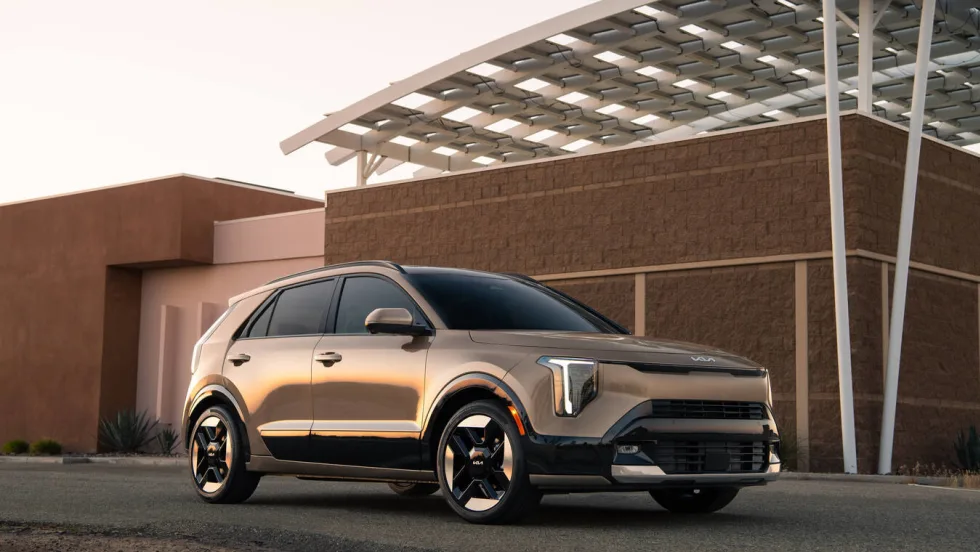
Kia Closes Out Summer With a Bang
Its U.S. subsidiary broke multiple records in August, in part due to a surge of demand for hybrids models.
Read More →
Indiana Dealership Changes Hands
A 30-year-old Ford dealership in Indiana has a new owner and will soon be undergoing renovations to meet manufacturer requirements.
Read More →
Texas Dealership No Longer in the Family
The Ford store, a longtime cornerstone of the Houston market, is now part of one of the fastest-growing U.S. auto groups.
Read More →
Genesis Grows California Presence
The Cardinale Automotive Group opened its third Genesis rooftop in the Golden State, Genesis of San Bruno, a stand-alone dealership serving the San Francisco Bay Area.
Read More →
August Auto Sales a Mixed Bag
An early forecast shows strong business despite consumer hurdles, and hybrids are a big piece of their affordability coping strategy.
Read More →
EV Market Humming Along
July sales show steady growth as the segment stabilizes from last year’s artificial surge following pullback of federal support.
Read More →
Auto Loan Delinquency Rates Stabilize
Auto loans are a main driver of nonmortgage consumer debt, but delinquency rates stabilized in the second quarter across all credit risk tiers.
Read More →
EV Sales Recover in Q2
The EV sales roller coaster continues as numbers show improvement, but industry experts predict a year-over-year third-quarter decline and fourth-quarter jump.
Read More →
The Cheapest Hybrids to Fuel
The powertrain is increasing in popularity, in no small part due to its fuel economy. A new report lists the most efficient hybrids on the market.
Read More →
Hybrids and SUVs Gaining Ground
The most recent Kelley Blue Book Brand Watch found that only two nonluxury brands increased in shopper consideration, buoyed by their hybrid and SUV offerings.
Read More →