


NADA Issues U.S. Auto Sales and Economic Analysis Following First Quarter 2022
The first quarter of 2022 came to a close with new-light vehicle sales in March totaling a SAAR of 13.4 million units, a decline of 4.6% compared to February 2022 and a decline of 24.4% compared to March 2021’s SAAR.


The first quarter of 2022 came to a close with new-light vehicle sales in March totaling a SAAR of 13.4 million units, a decline of 4.6% compared to February 2022 and a decline of 24.4% compared to March 2021’s SAAR.
NADA – The National Automobile Dealers Association (NADA) has issued its analysis of U.S. auto sales and the economy following the end of the first quarter of 2022.
“Inventory remains the biggest impediment related to U.S. auto sales,” said NADA chief economist Patrick Manzi. “And unfortunately, inventory levels aren’t expected to change in the near term with forecasts indicating constrained inventory levels for the remainder of 2022 and into 2023.”
The first quarter of 2022 came to a close with new-light vehicle sales in March totaling a SAAR of 13.4 million units, a decline of 4.6% compared to February 2022 and a decline of 24.4% compared to March 2021’s SAAR. The average SAAR in the first quarter of 2022 totaled 14.0 million units, the best quarterly sales performance since Q2 of 2021.
When contrasting vehicle sales to inventory, inventory on the ground and in transit at the end of March 2022 totaled 1.23 million units. Inventory at the end of first quarter of 2022 was up by 9.7% compared to 1.12 million units at the end of 2021. Inventory won’t begin to accumulate significantly until manufacturers are able to produce closer to their full capacity; in the fourth quarter of 2022, average North American production capacity utilization stood at 70.3%, down from 85.4% in the fourth quarter of 2020, according to Wards Intelligence.
The semiconductor microchip shortage stemming from the COVID-19 pandemic continues to impact vehicle production, and the war in Ukraine has further impacted microchip production. The war has disrupted the production of neon in the region, a key input to semiconductor manufacturing. Production of wiring harnesses used in vehicle manufacturing has also been disrupted, although many of the plants in Ukraine are still operating to produce wiring harnesses.
In March 2022, S&P Global reduced its 2022 global vehicle production forecast by 2.6 million units to 81.6 million units, with the majority of the reduction coming from cuts to the European production forecast as a result of the war in Ukraine and its impact on the European manufacturing supply chain. The forecast for North American production was also reduced by 480,000 units to 14.7 million units, again with the war in Ukraine contributing to the reduction, in addition to other lingering supply chain issues including the microchip shortage.
At the macro level, higher prices for food, housing and gasoline are major points of concern for consumers. Gasoline prices have topped $4 across most of the country and, according to the U.S. Energy Information Administration, average prices for regular grade gasoline are expected to remain above $4 into the summer months.
Originally posted on Auto Dealer Today
More Industry
Charger Network Growth Slows
Despite a projected increase in public EV chargers in 2026, charging infrastructure remains a top concern for consumers as the gap between the most and least EV-friendly places remains substantial.
Read More →
Lenders, Consumers Take on More Auto Loan Risk
September records loosened credit access the most in over a decade as buyers took advantage of the conditions to afford trading, though loan applications fell.
Read More →
Next-Gen Hybrids in Sight
Dealerships can expect to see revamped hybrids from Honda next year as the company rolls out a new system and model lineup.
Read More →
Gem State Stores Change Hands
A larger auto group founded in the industry’s early years sold two franchises to a neighbor group that's on a growth spurt.
Read More →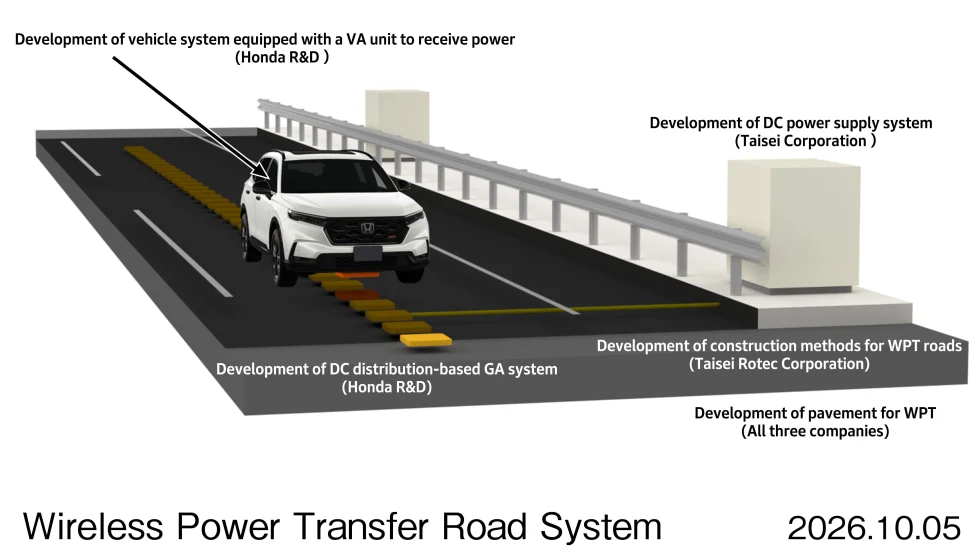
Charging In Motion
Honda has been researching wireless in-motion charging for electric vehicles since 2025, and new technology developments have put it a step closer to a final product.
Read More →
Twin Cities Stores Sell
Minnesota-based Walser Automotive Group made what it called the most significant acquisition in its history with a three-rooftop deal in Minneapolis.
Read More →
U.S. Auto Sales Still Below Prepandemic Levels
Mobility Global industry observers don’t expect the market to return to the higher volumes that became routine before Covid but to stay well below its potential.
Read More →
The Powertrain Shift
Electric-vehicle owners are backpedaling, according to new data, with product availability driving many to shift back to gas-powered engines.
Read More →
Achromatic Autos
The shades that dominate the U.S. car market don’t call attention to themselves, though grayscale may have plateaued after a 30-year upswing, research shows.
Read More →
Used-Vehicle Affordability Worsens
Listing prices in August defied seasonal trends, rising above $27,000 for the second time this year.
Read More →