


NADA: U.S. New Vehicle Sales Up 1.9% Year-Over-Year
New light-vehicle sales in February were strong, with a SAAR of 16.83 million units for the month—an increase of 1.9% compared to February 2019. Raw sales volume topped 1.3 million units, an increase of 8.4% compared to February of last year.

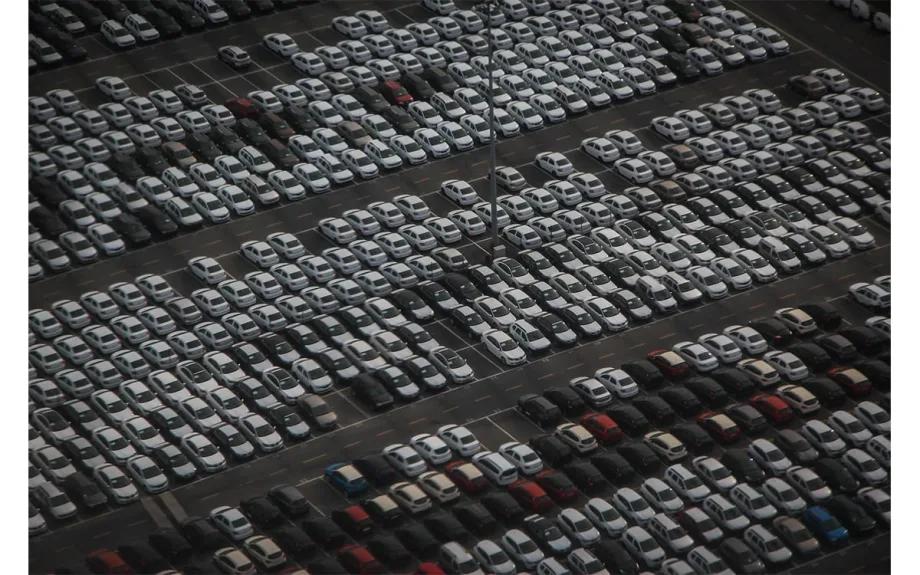
New light-vehicle sales in February were strong, with a SAAR of 16.83 million units for the month—an increase of 1.9% compared to February 2019. Raw sales volume topped 1.3 million units, an increase of 8.4% compared to February of last year.
NADA – New light-vehicle sales in February were strong, with a SAAR of 16.83 million units for the month—an increase of 1.9% compared to February 2019. Raw sales volume topped 1.3 million units, an increase of 8.4% compared to February of last year. Of that 1.3 million units, retail sales should account for over 1 million units, a slight increase compared to last February. Continuing a trend of the past few years, the light-truck segment continued to gain market share—with all but the van segment posting gains—while all car segments declined or were flat. According to a preliminary estimate from ALG, incentive spending is expected to remain the same as February of last year.
The additional day from a leap year resulted in two more selling days and five selling weekends in February compared to last year.
The additional day from a leap year resulted in two more selling days and five selling weekends in February compared to last year. The sales calendar this February resulted in a distinct sales month. The additional day from a leap year resulted in two more selling days and five selling weekends in February compared to last year. According to J.D. Power, the last time this happened was 1992. Because of such an anomaly, March will have one fewer selling weekend compared to last year and only 25 selling days—the lowest number of selling days since 2015.
The spread of the coronavirus (COVID-19) has sent ripple effects through the global economy, though it did not appear to affectU.S. vehicle sales in February. In the past week, stock market upheaval and declines led the Federal Reserve to cut the federal funds rate by 50 basis points to a targeted range of 1.0% to 1.25%. Despite the effort to bolster business and consumer sentiment and combat anticipated economic fallout from the spread of the coronavirus, it is unlikely most vehicle buyers will feel any savings from these rate cuts in the short term. More likely, the most creditworthy individuals could see lower rates on auto finance contracts. Dealers also may feel some relief in floor plan financing costs.
Waning consumer confidence may lead to fewer new-vehicle sales in the U.S., though it really is too early to tell. Unfortunately, global vehicle sales will most certainly decline, with China specifically experiencing a significant drop this year. According to Anderson Economic Group, fallout from the coronavirus will cause Chinese vehicle production to decrease by two million units this year. Production stoppages have led to supply chain disruptions for auto production in other parts of the world but have yet to impact North American vehicle production. We expect some impact on North American auto manufacturing, but the timing and extent of the impact isn’t clear and depends on how long Chinese plants remain closed. As of today, we have made no revisions to our 2020 sales forecast of 16.8 million units, but any significant slowdown in new-vehicle sales over the next few months may cause revisions to our sales forecast.
Click here for original report.
Originally posted on F&I and Showroom
More Industry
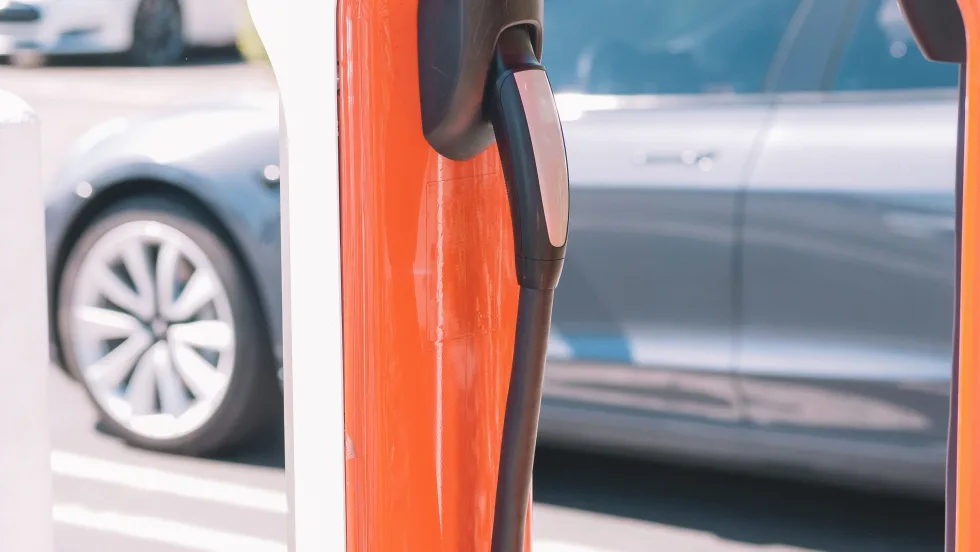
Charger Network Growth Slows
Despite a projected increase in public EV chargers in 2026, charging infrastructure remains a top concern for consumers as the gap between the most and least EV-friendly places remains substantial.
Read More →
Lenders, Consumers Take on More Auto Loan Risk
September records loosened credit access the most in over a decade as buyers took advantage of the conditions to afford trading, though loan applications fell.
Read More →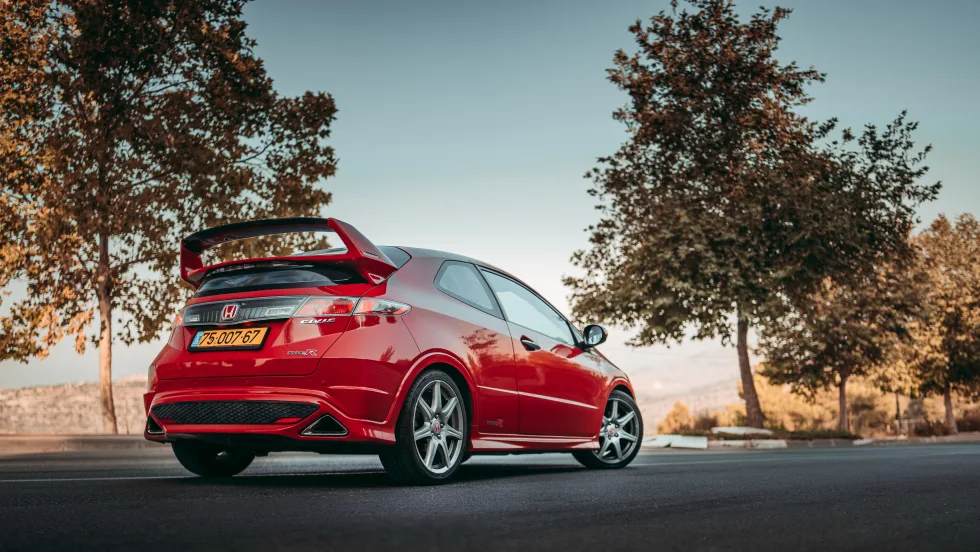
Next-Gen Hybrids in Sight
Dealerships can expect to see revamped hybrids from Honda next year as the company rolls out a new system and model lineup.
Read More →
Gem State Stores Change Hands
A larger auto group founded in the industry’s early years sold two franchises to a neighbor group that's on a growth spurt.
Read More →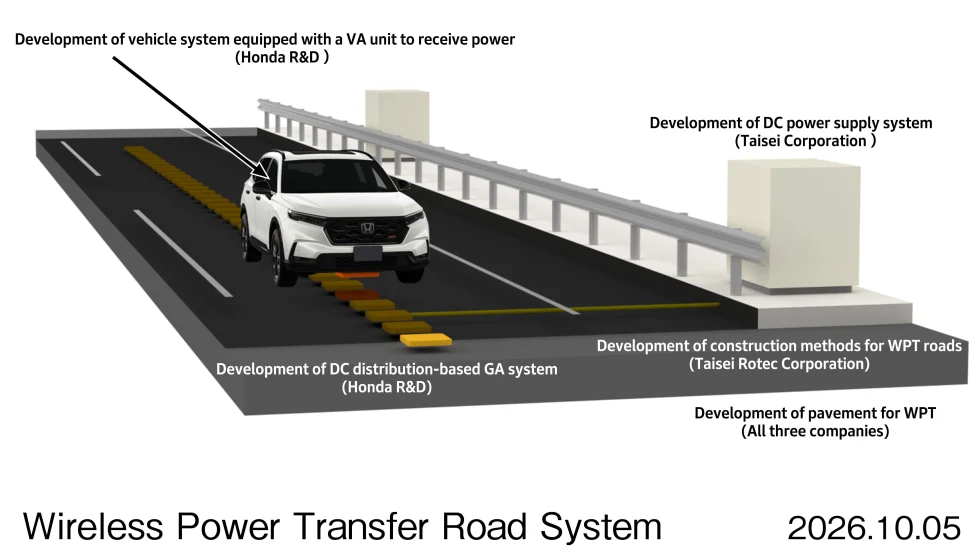
Charging In Motion
Honda has been researching wireless in-motion charging for electric vehicles since 2025, and new technology developments have put it a step closer to a final product.
Read More →
Twin Cities Stores Sell
Minnesota-based Walser Automotive Group made what it called the most significant acquisition in its history with a three-rooftop deal in Minneapolis.
Read More →
U.S. Auto Sales Still Below Prepandemic Levels
Mobility Global industry observers don’t expect the market to return to the higher volumes that became routine before Covid but to stay well below its potential.
Read More →
The Powertrain Shift
Electric-vehicle owners are backpedaling, according to new data, with product availability driving many to shift back to gas-powered engines.
Read More →
Achromatic Autos
The shades that dominate the U.S. car market don’t call attention to themselves, though grayscale may have plateaued after a 30-year upswing, research shows.
Read More →
Used-Vehicle Affordability Worsens
Listing prices in August defied seasonal trends, rising above $27,000 for the second time this year.
Read More →